











Trump Says US Cuts India Tariffs to 18% Over Russia Oil Deal
Trump claims US cut India tariffs to 18% after New Delhi agreed to halt Russian oil trade, sparking global debate.
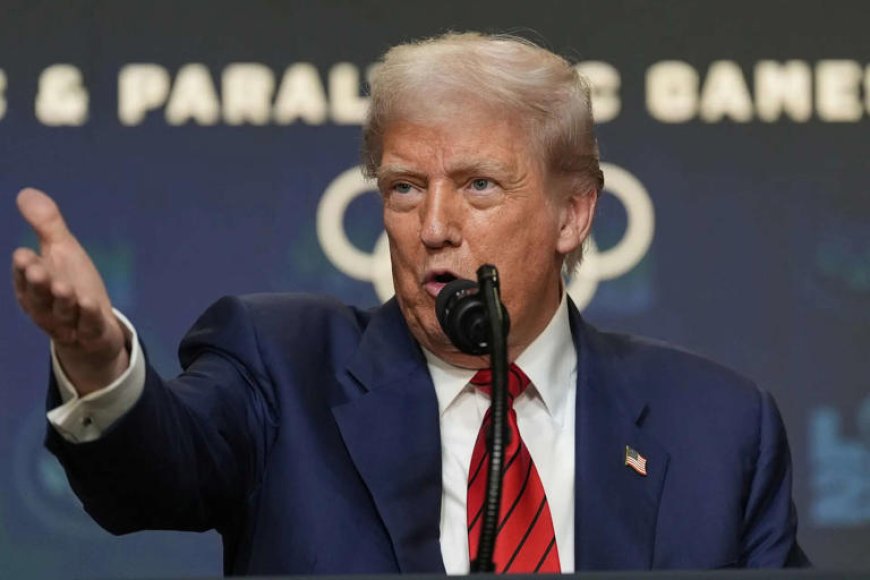
Former US President Donald Trump has claimed that the United States has reduced tariffs on Indian goods to 18% after India agreed to halt oil trade with Russia. The statement, made during a public address, has sparked global attention as it links trade concessions with geopolitics and energy policy. While official confirmation from India is awaited, the remarks have triggered debate across diplomatic, economic, and energy circles.
1. Trump Announces Tariff Cut on Indian Imports
Trump said the US has lowered tariffs on Indian exports from earlier levels to 18%. According to him, the move is part of a broader understanding reached with New Delhi. He presented the decision as a win for American trade interests and a sign of tougher negotiations with global partners.
2. Claim Tied to India’s Russia Oil Purchases
The former president claimed that India agreed to stop purchasing crude oil from Russia as part of the arrangement. Since the Ukraine conflict began, India has significantly increased imports of discounted Russian oil, drawing attention from Western nations seeking to curb Moscow’s energy revenues.
3. No Official Confirmation From Indian Government
As of now, there has been no official statement from the Indian government confirming any agreement to halt Russian oil trade or verifying the tariff reduction. Indian officials have consistently maintained that energy imports are guided by national interest and market conditions.
4. Why Russia Oil Trade Matters Globally
India emerged as one of Russia’s largest oil buyers after Western sanctions reshaped global energy flows. Cheaper crude helped India manage inflation and fuel costs. Any shift away from Russian oil would have implications for global oil markets, pricing, and supply chains.
5. Trade and Geopolitics Intertwined
Trump’s remarks highlight how trade policy is increasingly being used as a diplomatic tool. Linking tariffs to foreign policy decisions reflects a broader trend where economic leverage is applied to influence strategic choices of partner nations.
6. Impact on India–US Trade Relations
India and the US share a growing trade relationship, with bilateral trade crossing record levels in recent years. A tariff cut, if implemented, could benefit Indian exporters in sectors such as pharmaceuticals, textiles, engineering goods, and electronics.
7. Energy Security a Key Indian Priority
Energy experts point out that India’s oil sourcing strategy focuses on affordability and security. Diversifying suppliers, including Russia, the Middle East, and the US, has been central to this approach. A sudden halt in Russian oil purchases could increase costs and pressure domestic fuel prices.
8. Markets React With Caution
Global markets reacted cautiously to the statement, as investors await clarity. Analysts say any confirmed reduction in tariffs would be positive for Indian export-driven companies, while changes in oil trade could influence energy stocks and currency movements.
9. Political Context Behind the Statement
Trump’s comments come amid heightened political rhetoric as he positions himself on global trade and foreign policy issues. Observers note that such announcements often aim to signal strong leadership, even as negotiations and outcomes remain fluid.
10. What Happens Next
Much now depends on official communication from New Delhi and Washington. Trade experts expect follow-up discussions or clarifications in the coming days. Until then, the claims remain part of a developing story rather than a concluded policy shift.
Conclusion
Trump’s assertion that the US has cut India tariffs to 18% in exchange for halting Russian oil trade has placed global attention on the intersection of trade, energy, and geopolitics. While the statement signals a potentially significant shift, confirmation from Indian authorities will be crucial. Until then, businesses and markets are likely to stay cautious, watching closely for formal policy announcements.