














Cyclospora Outbreak in the US: What Is the Parasitic Infection and Should You Be Concerned?
A Cyclospora outbreak has affected multiple US states, while Oregon continues to report only a few cases. Learn about the symptoms, causes, treatment, prevention tips, and what health experts are saying about this foodborne parasitic infection.
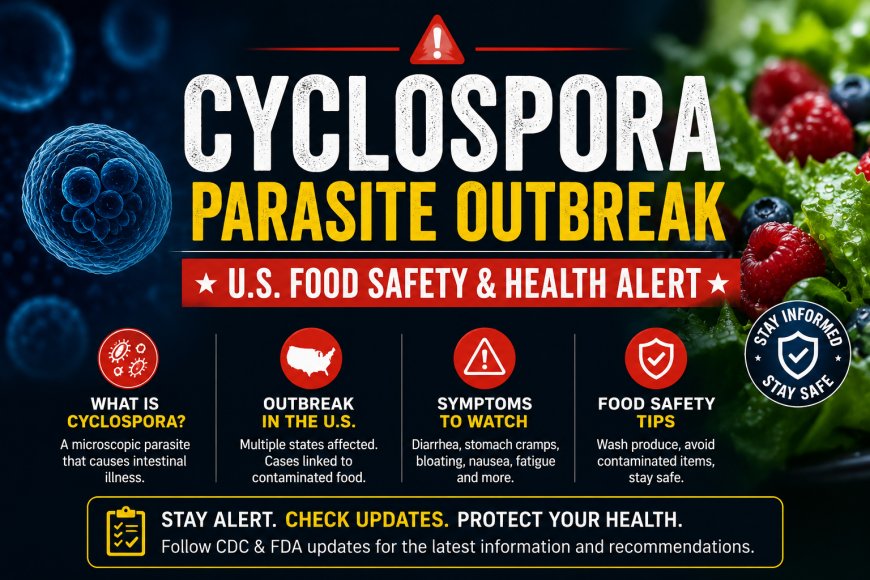
Health authorities across the United States are closely monitoring a growing outbreak of Cyclospora, a microscopic parasite that causes an intestinal illness known as cyclosporiasis. While several states have reported an increase in infections, Oregon has so far recorded only a small number of confirmed cases, according to state health officials.
The outbreak has drawn attention because the parasite is commonly linked to contaminated fresh produce and can spread through food that is eaten raw. Although most healthy people recover completely, the illness can cause severe digestive problems and may last for several weeks if left untreated.
Here's everything you need to know about the current situation, the symptoms to watch for, and how to reduce your risk of infection.
Oregon Reports Low Case Numbers Despite National Increase
According to the Oregon Health Authority, the state recorded seven confirmed cases in May and another seven in June. These figures remain relatively low compared with the larger outbreaks reported in several other parts of the country.
Health officials have also stated that none of Oregon's recent infections have been linked to a common food source or a statewide outbreak. Investigators continue to monitor the situation while federal agencies work to determine what is driving the increase in cases elsewhere.
Which States Are Seeing More Cases?
Current investigations indicate that the outbreak has been more noticeable in states including Michigan, New York, Illinois, and Texas. Public health officials are continuing to collect information to determine whether contaminated food products or another common source is responsible.
At this stage, authorities have not announced a single confirmed nationwide source for the infections.
What Is Cyclospora?
Cyclospora is a microscopic parasite that infects the small intestine after a person consumes contaminated food or water. The illness it causes is called cyclosporiasis.
Unlike many viruses, Cyclospora does not usually spread directly from one person to another. Instead, infections are most commonly associated with contaminated fresh fruits, vegetables, herbs, or untreated water.
Because many fresh foods are consumed without cooking, the parasite can survive long enough to infect people if proper food safety practices are not followed.
Common Symptoms of Cyclospora Infection
Symptoms usually begin several days after consuming contaminated food or water.
People infected with Cyclospora may experience:
- Watery or frequent diarrhea
- Stomach cramps
- Loss of appetite
- Nausea
- Bloating
- Fatigue
- Weight loss
Some people experience mild illness, while others may develop symptoms that continue for several weeks if treatment is delayed.
Why Fresh Produce Is Often Linked to the Infection
Health experts explain that Cyclospora is frequently associated with foods that are eaten raw. Leafy vegetables, herbs, berries, and other fresh produce are considered higher-risk because they are often not cooked before consumption.
Although washing fruits and vegetables is important, experts note that rinsing alone may not completely eliminate the parasite if contamination has already occurred.
For this reason, food safety specialists recommend buying produce from trusted sources and following proper hygiene during food preparation.
Can Cyclospora Be Treated?
The good news is that cyclosporiasis is generally treatable.
Doctors may prescribe antibiotics for people with persistent or severe symptoms. Many healthy individuals recover fully, although the illness can sometimes last for several weeks without medical treatment.
Anyone experiencing prolonged diarrhea, dehydration, or severe stomach pain should seek medical advice rather than attempting to manage symptoms alone.
How to Reduce Your Risk
Health experts recommend several simple precautions that can lower the risk of infection:
- Wash fresh fruits and vegetables thoroughly before eating.
- Choose trusted sources for produce whenever possible.
- Drink clean and safe water.
- Practise good hand hygiene before preparing meals.
- Cook foods thoroughly whenever appropriate.
These measures cannot eliminate every risk but can significantly reduce the likelihood of foodborne infections.
Why Health Officials Continue Monitoring the Situation
Although Oregon has reported relatively few infections, public health experts say continued monitoring remains important. Foodborne outbreaks can spread across multiple states through shared food distribution networks, making early detection essential.
Federal investigators are still working to identify whether a specific contaminated product or another common exposure is responsible for the recent increase in cases.
Until more information becomes available, health authorities encourage the public to remain aware of food safety recommendations rather than becoming alarmed.
Final Thoughts
The recent Cyclospora outbreak serves as a reminder that food safety remains an important public health issue. While Oregon has reported only a limited number of confirmed infections, several other US states are experiencing higher case numbers as investigations continue.
Most people recover completely, especially when diagnosed early and treated appropriately. Maintaining good food hygiene, washing fresh produce carefully, and staying informed about official public health advisories are the best ways to reduce the risk of infection while health agencies continue their investigation.