






Trump's New US Student Visa Rules: What They Mean for Indian Students
The Trump administration has introduced major changes to US student visa rules, including a four-year stay limit and stricter transfer regulations. Here's how the new policy could affect Indian students.
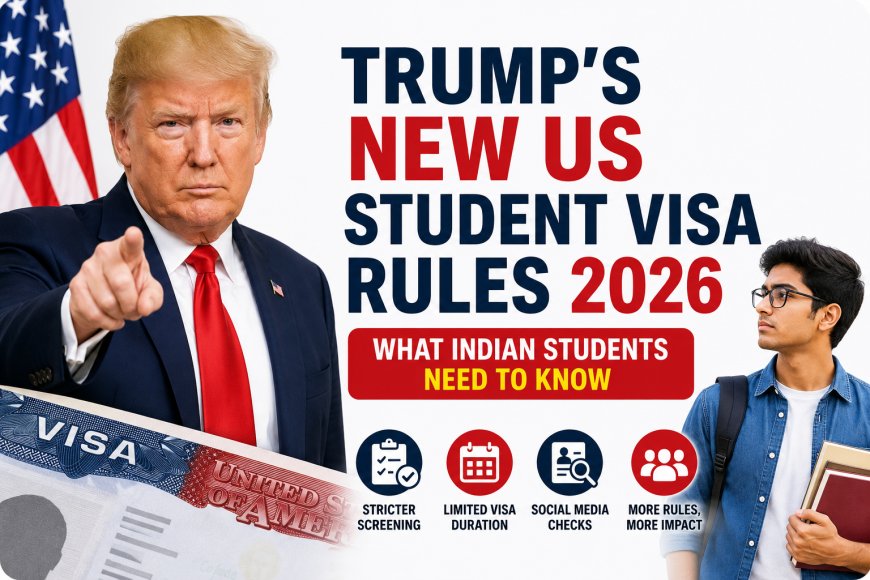
The US government has announced one of the biggest changes to its student visa system in years. Under a new rule introduced by the Donald Trump administration, most international students on F-1 visas and exchange visitors on J-1 visas will no longer be allowed to stay in the United States for the entire duration of their academic programme.
Instead, eligible students will generally receive permission to stay for up to four years at a time, a move that could significantly affect thousands of Indian students planning to study in the US.
What Has Changed?
Previously, international students entered the US under the "Duration of Status (D/S)" system. This allowed them to remain in the country as long as they were enrolled in an approved educational programme and complied with immigration rules.
Under the new regulation, most F-1 and J-1 visa holders will instead receive a fixed stay period of four years. Students whose courses continue beyond that period may need to apply for an extension or follow the required immigration process to continue their studies.
Restrictions on Course Changes and Transfers
The new policy also introduces stricter rules for academic changes.
Students may no longer be able to freely switch majors, transfer to another university, or change degree programmes without obtaining approval from US immigration authorities.
The administration says these measures are intended to improve monitoring of student visa holders and reduce misuse of the system.
Grace Period Reduced
Another major change affects students after completing their studies.
Previously, most international students received 60 days to prepare for departure, begin Optional Practical Training (OPT), or apply for another visa category.
Under the new rules, this grace period will reportedly be reduced to 30 days, giving students less time to make post-study plans.
Why Is the US Government Making These Changes?
According to the US Department of Homeland Security (DHS), the previous Duration of Status system made it difficult to monitor students who remained in the country through multiple academic programmes or extended research work.
The administration says fixed visa periods and tighter academic oversight will strengthen immigration enforcement and ensure that international students continue to meet visa requirements throughout their stay.
Who Could Be Most Affected?
The biggest impact is expected on students pursuing courses that often take more than four years to complete.
These include:
- PhD scholars
- Medical students
- Research scholars
- Dual-degree programmes
- Long-duration professional courses
Such students may face additional paperwork or immigration procedures if they require more time to complete their education.
What Does This Mean for Indian Students?
India is one of the largest sources of international students in the United States. For many Indian students, the new rules could make long-term academic planning more challenging.
Those considering lengthy degree programmes may need to account for possible visa extensions, additional documentation, and changing immigration timelines while planning their education abroad.
Students who intend to change universities or academic programmes should also stay informed about the updated approval requirements.
Universities Have Raised Concerns
Several higher education groups and university leaders have expressed concerns about the new policy.
They argue that international students are already closely monitored through the Student and Exchange Visitor Information System (SEVIS) and that additional restrictions could increase administrative burdens.
Some institutions also fear the changes may make the US a less attractive destination for talented international students.
Supporters Back Tighter Oversight
Supporters of the policy believe fixed visa durations will improve immigration monitoring and reduce the possibility of misuse.
They argue that regular reviews of student status will help ensure visa holders continue to meet eligibility requirements while studying in the United States.
What Should Students Do Now?
Students planning to study in the US should closely follow official announcements from US immigration authorities and their universities.
Before applying, it is advisable to understand the duration of the chosen course, visa conditions, extension procedures, and any rules related to changing institutions or academic programmes.
Final Thoughts
The Trump administration's proposed changes mark a significant shift in the US student visa system. While the government says the new rules are designed to strengthen immigration oversight, they may also create additional planning requirements for international students, particularly those enrolled in longer academic programmes. Indian students considering higher education in the US should stay updated on the implementation timeline and carefully review the latest visa requirements before making long-term academic decisions.