









T20 World Cup Row: ICC May Act as Pakistan Skips India Match
ICC considers sanctions on Pakistan as T20 World Cup tensions rise over India match boycott and tournament participation rules.
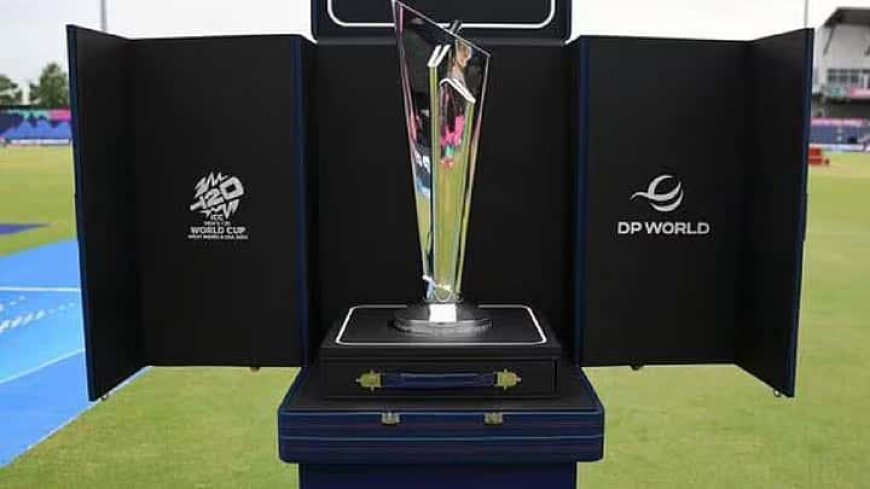
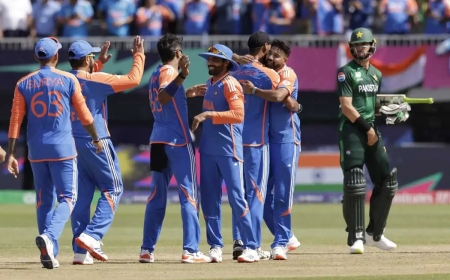
The build-up to the ICC T20 World Cup 2026 has taken a dramatic turn after reports of a possible boycott by Pakistan against its match with India. According to sources cited by NDTV, the International Cricket Council (ICC) is preparing to hold a high-level meeting within the next 48 hours to assess the situation. The outcome of this meeting could have serious consequences for the Pakistan Cricket Board (PCB) and the future of Pakistan cricket.
1. India–Pakistan Match at the Centre of the Dispute
At the heart of the controversy is Pakistan’s reported refusal to play its scheduled T20 World Cup match against India on February 15. The PCB has said this decision reflects solidarity with Bangladesh, which was recently replaced by Scotland in the tournament following logistical and political concerns.
2. ICC Meeting Likely Within 48 Hours
Sources say the ICC leadership, under chairman Jay Shah, is considering urgent action. A special meeting is expected to review whether Pakistan’s stance violates tournament participation rules and commercial agreements tied to the World Cup.
3. Pakistan’s ‘Selective Participation’ Decision
Reports indicate that the Pakistani government has allowed the national team to travel to Sri Lanka, one of the host nations, but with restrictions. According to officials, Pakistan will participate in the tournament but skip the fixture against India, a move that has drawn strong reactions globally.
4. PCB Defends Its Stand as a Matter of Principle
PCB chairman Mohsin Naqvi has defended the decision, stating that Pakistan is standing by Bangladesh after the ICC rejected requests to move matches away from India. The board maintains that the issue is about fairness and equal treatment of member nations.
5. ICC Warns of Possible Disciplinary Action
In a statement cited by media reports, the ICC has urged the PCB to reconsider its position. The governing body has warned that refusal to fulfil scheduled fixtures could invite disciplinary measures under ICC regulations, which require full participation once a team commits to a tournament.
6. Sanctions Being Discussed Behind Closed Doors
Sources familiar with the discussions say several punitive options are being considered if Pakistan does not reverse its stance. These measures are reportedly aimed at protecting the tournament’s integrity and preventing future political disruptions in international cricket.
7. What Sanctions Could Look Like
According to NDTV sources, possible sanctions include suspension from ICC events, restrictions on No Objection Certificates (NOCs) for overseas players participating in the Pakistan Super League, and temporary withholding of Pakistan’s share of ICC revenue. Officials stress that these are options under review, not final decisions.
8. Impact on Global Cricket and Broadcasters
The India–Pakistan clash is one of the most watched events in world cricket. Broadcasters and sponsors rely heavily on this fixture. Any disruption could result in significant financial losses and raise concerns about the stability of future ICC tournaments.
9. Back-Channel Talks Underway
Diplomatic and administrative back-channel talks are reportedly ongoing to find a compromise. The ICC is said to be keen on a face-saving solution that allows Pakistan to play the match while addressing political sensitivities. Similar efforts were previously made with Bangladesh, though without success.
10. Clock Ticking as Tournament Nears
With the T20 World Cup set to begin in less than a week, time is running out. If no resolution is reached soon, the ICC may be forced to act swiftly to ensure the smooth conduct of the tournament and avoid setting a precedent that could destabilise international cricket.
Conclusion
The unfolding standoff has placed the ICC and PCB at a critical crossroads. While Pakistan insists its decision is rooted in principle, the ICC is focused on maintaining sporting integrity and commercial stability. The next 48 hours are expected to be decisive, with the global cricket community watching closely to see whether dialogue prevails or sanctions reshape the tournament landscape.