














Gold Crashes 6%, Silver Falls 8%: What’s Behind the Sudden Selloff?
Gold prices crash 6% and silver falls 8% as profit booking, strong dollar and equity selloff hit precious metals.
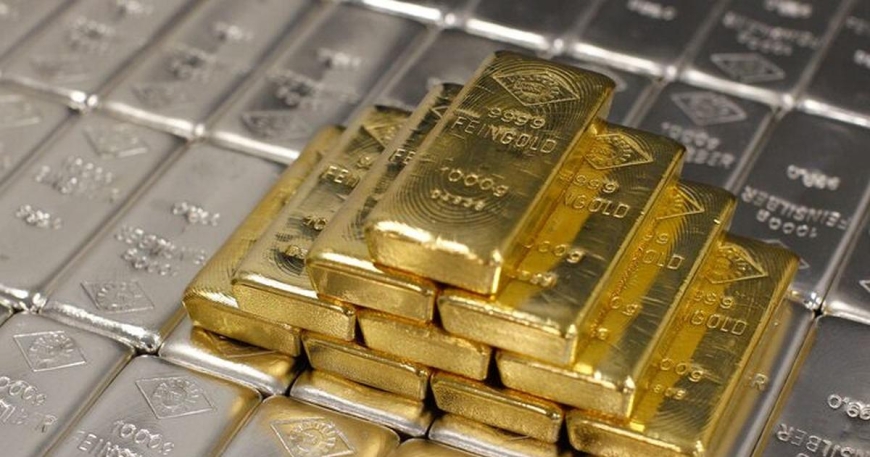
A sharp selloff rattled the precious metals market on Thursday, sending gold and silver prices tumbling from record highs. Gold prices crashed nearly 6%, while silver dropped as much as 8% during intraday trade, marking one of the steepest declines seen in recent months. Market experts say the sudden fall was driven by profit booking, a stronger US dollar, and weakness in global equity markets, which triggered a broader risk-off mood among investors.
1. Precious Metals See Worst Single-Day Fall in Months
According to Bloomberg, this was the worst intraday fall for gold prices since October 2025. After hitting record highs earlier this month, both metals came under intense selling pressure, catching many investors off guard.
2. Gold Retreats Sharply From Record Levels
US spot gold prices plunged as much as 5.7% to $5,104.6 per ounce during the session. Although prices recovered slightly later, gold remains nearly 8% below its recent peak of around $5,595 per ounce. At the time of reporting, spot gold was trading about 1.5% lower at $5,334 an ounce, while US gold futures for February delivery were down nearly 2%.
3. Silver Suffers Even Steeper Losses
Silver witnessed a sharper correction compared to gold. US spot silver prices cracked over 8% to $106.8 per ounce before recovering part of the losses. The metal was last seen trading about 1.5% lower. Analysts say silver’s high volatility often leads to exaggerated moves during market corrections.
4. Strong US Dollar Pressures Metal Prices
One of the key reasons behind the selloff was a sharp rise in the US dollar. A stronger dollar makes commodities priced in dollars more expensive for global buyers, reducing demand. As the greenback gained strength, investors moved away from precious metals, adding pressure on prices.
5. Equity Market Selloff Spills Into Commodities
The decline in gold and silver also coincided with weakness in US equity markets. As stock markets fell, investors sold assets across categories to reduce exposure. This spillover effect extended the selloff beyond equities and into commodities, including precious metals.
6. Profit Booking After Massive Rally
Analysts believe profit taking played a major role in the sharp fall. Since the start of January, gold prices have surged nearly 25%, while silver has jumped more than 60%. In 2025 alone, gold gained about 65% and silver rallied nearly 148%, making a correction inevitable.
7. Rally Looked Stretched, Say Analysts
Market experts have warned for weeks that the rally in precious metals was becoming overheated. “Given the frothiness in the markets and the dominance of flows over fundamentals, it does not need much for a correction,” said Carsten Menke of Julius Baer Group Ltd, as quoted by Bloomberg.
8. Silver’s Sharp Rise Signals Speculative Phase
Investment experts point out that when silver starts outperforming gold sharply, it often signals a late-stage rally. According to WhiteOak Capital Mutual Fund, parabolic moves in silver historically indicate speculative excess, which usually ends unfavourably for late investors.
9. What This Means for Indian Investors
For Indian investors, the sharp correction is a reminder to avoid chasing momentum. Fund managers advise focusing on diversification rather than aggressive buying at elevated levels. While gold and silver remain long-term portfolio hedges, entering at peak levels increases downside risk.
10. Is This a Temporary Dip or Trend Reversal?
Market participants remain divided on whether the fall marks a temporary correction or the beginning of a larger trend reversal. Much will depend on the direction of the US dollar, global interest rate expectations, and risk sentiment in equity markets over the coming weeks.
Conclusion
The sudden crash in gold and silver prices highlights how quickly sentiment can change in overheated markets. While long-term fundamentals for precious metals remain intact, short-term corrections can be sharp and painful. Experts advise investors to stay cautious, avoid panic decisions, and focus on disciplined portfolio allocation rather than chasing recent highs.