











Santy Sharma Defends Badshah Controversy, Explains Hip-Hop ‘Dissing’ Culture
Santy Sharma defends Badshah controversy, explaining rap dissing culture and urging Indians to better understand hip-hop traditions.
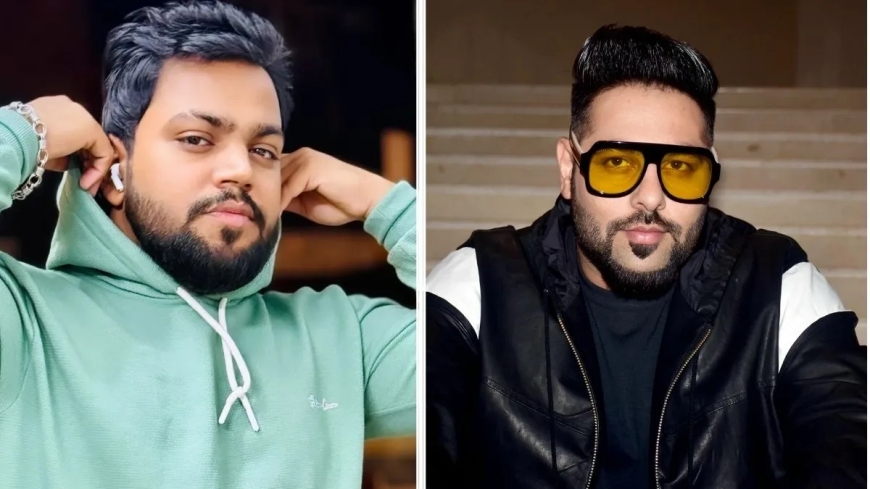
Indian rapper Santy Sharma has stepped into the growing controversy surrounding Badshah and his recently criticised song and music video. In a detailed statement shared on social media, Sharma defended the rap culture of lyrical rivalries and urged listeners in India to understand the roots of hip-hop before judging artists.
The debate began after Badshah faced backlash over his song Tateeree, which sparked strong reactions online. While the rapper later apologised and withdrew the track, the conversation around artistic freedom and hip-hop traditions continues to grow.
Santy Sharma Speaks Out on Instagram
Santy Sharma took to Instagram to explain his perspective on the controversy. According to him, many listeners are reacting to the lyrics without fully understanding how hip-hop music works.
He argued that rap culture often includes bold lines, references, and competitive lyrical exchanges between artists.
‘Dissing’ Is Part of Hip-Hop Tradition
Sharma explained that the concept of “dissing” has been part of hip-hop culture for decades. In rap music, artists sometimes refer to rivals directly or indirectly through their lyrics.
Such lyrical competition is not always meant as personal attacks. Instead, it is often seen as a creative way for artists to showcase confidence, skill, and storytelling ability.
India Still Learning Hip-Hop Culture
According to Sharma, one reason controversies erupt so quickly is that many people in India are still unfamiliar with the deeper traditions of hip-hop.
He believes the genre’s storytelling style, aggressive tone, and lyrical battles can sometimes be misunderstood by audiences who are new to rap culture.
Song and Music Video Often Created Separately
Another interesting point Sharma highlighted was how rap songs and music videos are often produced separately.
He explained that many artists record their songs first, and later the track may be given to a creative team that designs the concept for the music video.
Artists May Not Control Every Visual Detail
Because of this process, Sharma suggested that a rapper may not always know exactly how the final video will look before it is released.
In some cases, the storyline or visuals are created by directors and production teams rather than the artist themselves.
Criticism Is Acceptable, Says Sharma
While defending hip-hop culture, Sharma also acknowledged that artists are not above criticism.
If lyrics genuinely hurt people’s sentiments, he believes it is reasonable for artists to reconsider or modify their work.
Problem Is Quick Judgement
What Sharma objects to is the speed with which public criticism sometimes spreads online.
He argued that many controversies arise because people judge a song immediately without understanding the context, creative process, or cultural background of the genre.
Debate Over Artistic Freedom Continues
The Badshah controversy has now sparked a broader debate about artistic freedom in Indian music.
Many musicians and fans believe rap artists should have space to experiment with language and storytelling without facing immediate backlash.
Not Sharma’s First Social Media Debate
This is not the first time Santy Sharma has generated discussion on social media.
Recently, he also criticised the bold online content shared by actress and influencer Khushi Mukherjee. Sharma argued that such content could negatively influence younger audiences who closely follow celebrities online.
Conversation About Hip-Hop Still Growing in India
The latest debate shows that hip-hop culture in India is still evolving. As rap music becomes more mainstream, discussions about lyrical expression, cultural traditions, and artistic freedom are likely to continue.
For artists like Santy Sharma, the message remains simple: understand the culture before judging the art.