













Why LPG Shortage Is Happening in India While Petrol and Diesel Are Still Available
LPG supply stress rises in India due to Hormuz disruption while petrol and diesel remain stable because of diversified crude imports.
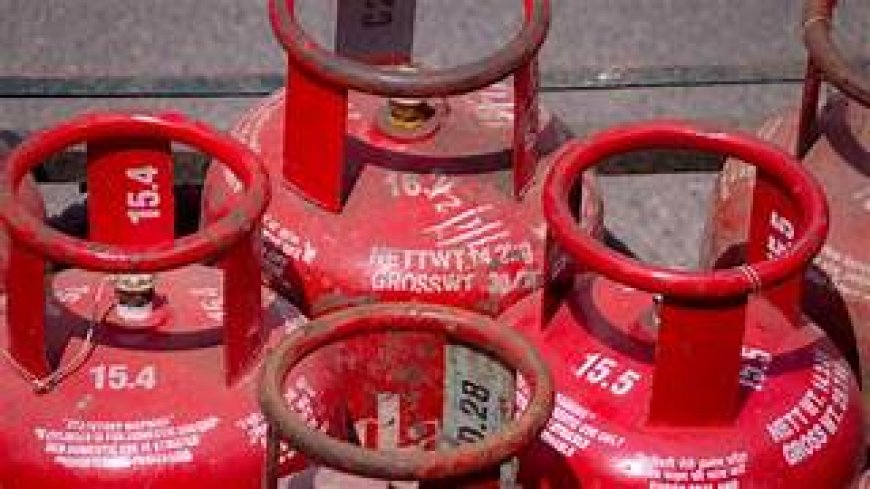
India’s fuel supply chain is facing pressure as geopolitical tensions in the Middle East disrupt shipping routes through the Strait of Hormuz. While petrol and diesel supplies across the country remain largely stable, cooking gas or LPG has started showing early signs of stress.
Long queues outside gas agencies, delays in refill deliveries, and the temporary closure of several restaurants and dhabas highlight the growing pressure on LPG availability. The difference between LPG and other fuels lies in how India imports, stores, and distributes these energy resources.
Hormuz Disruption Impacts LPG Shipments
The Strait of Hormuz is one of the most critical maritime energy routes in the world. A large share of global oil and gas shipments pass through this narrow waterway in the Persian Gulf.
Due to the ongoing conflict involving Iran, Israel, and the United States, maritime traffic in the region has been disrupted, affecting fuel shipments.
India Depends Heavily on LPG Imports
India consumes more than 31 million tonnes of LPG each year. Domestic production supplies less than half of this demand, making imports essential for maintaining supply.
A large portion of these LPG imports come from Gulf countries such as Saudi Arabia, Qatar, United Arab Emirates, and Kuwait.
Most LPG Cargo Passes Through Hormuz
Estimates suggest that around 80–90 percent of LPG shipments bound for India pass through the Strait of Hormuz.
This heavy dependence on a single route means that any disruption in the region can quickly affect the LPG supply chain.
Petrol and Diesel Supply More Diversified
Unlike LPG, petrol and diesel originate from crude oil that India imports from more than 40 countries.
In recent years, Russia has become India’s largest crude oil supplier, followed by Iraq and Saudi Arabia.
Many of these crude shipments arrive through routes that do not pass through the Strait of Hormuz.
Refining Capacity Provides Flexibility
Once crude oil reaches India, it is processed in refineries to produce petrol, diesel, and other fuels.
India has strong refining capacity, which allows refiners to adjust production levels based on demand and supply conditions.
This flexibility helps maintain stable availability of petrol and diesel in retail markets.
Strategic Petroleum Reserves Act as Buffer
India also maintains strategic petroleum reserves for crude oil. These emergency stockpiles are stored in underground rock caverns located in Visakhapatnam, Mangalore, and Padur.
These reserves can cover several weeks of crude oil consumption and help cushion sudden disruptions in supply.
LPG Storage Capacity Is Limited
Unlike crude oil, India has limited storage capacity for LPG. The country maintains only a small LPG storage network with a combined capacity of around 1.4 lakh tonnes.
According to the International Energy Agency, this amount equals less than two days of national LPG consumption.
Demand for LPG Has Surged
Another factor increasing pressure on LPG supply is the rapid growth in demand. Government initiatives such as the Pradhan Mantri Ujjwala Yojana expanded access to cooking gas across rural India.
As a result, LPG connections in the country have increased dramatically over the past decade.
Over 33 Crore LPG Connections in India
The number of LPG connections has grown from about 10.6 crore in 2010 to nearly 33 crore by 2025.
This shift from traditional fuels like firewood to LPG has improved public health but also increased dependence on a steady gas supply.
Government Taking Emergency Measures
To stabilise the situation, the government and oil companies have started implementing emergency measures.
Refineries have been asked to maximise LPG extraction during crude processing, while some petrochemical feedstocks such as propane and butane are being temporarily diverted to produce additional cooking gas.
Searching for Alternative Suppliers
India is also exploring additional LPG cargoes from regions outside the Gulf, including the United States and West Africa.
However, these shipments take longer to arrive and are typically more expensive than imports from the Middle East.
Priority Given to Household Supply
Authorities have temporarily prioritised LPG supply for domestic consumers rather than commercial users.
This has led to disruptions in restaurants and hotels that rely on commercial LPG cylinders for cooking.
Why LPG Felt the Impact First
The current situation shows how differently various fuels are sourced and stored in India.
LPG imports are heavily concentrated in the Gulf and depend largely on the Strait of Hormuz, while petrol and diesel come from diversified crude supplies backed by strategic reserves.
This combination of concentrated imports, limited storage, and rising demand explains why LPG shortages are appearing sooner than disruptions in petrol and diesel supplies.