













RBI New Digital Payment Rules from April 1: 2FA, OTP Changes Explained
RBI new digital payment rules from April 1 bring mandatory 2FA, extra security checks and stronger fraud protection for users.
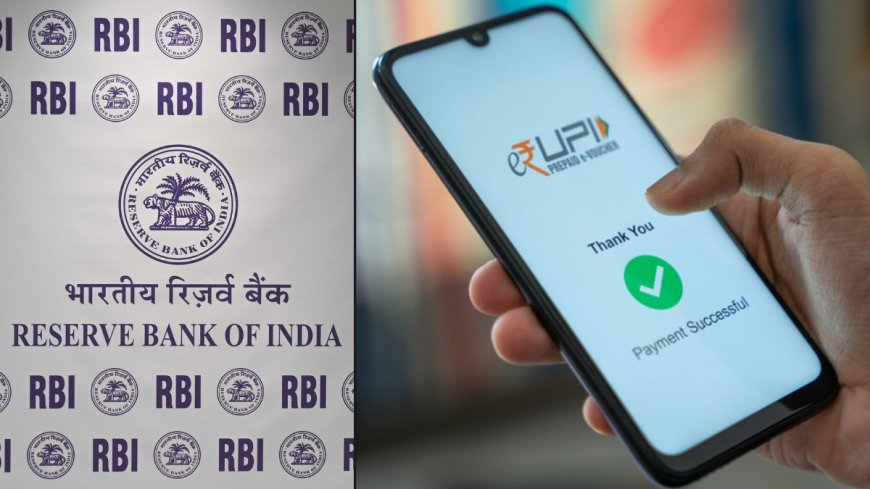
India’s digital payment system is set for a major upgrade as the Reserve Bank of India introduces new rules from April 1, 2026. These changes will impact how people use UPI, debit/credit cards, and digital wallets for everyday transactions.
The goal is simple — make online payments more secure and reduce the rising number of fraud cases.
Mandatory Two-Factor Authentication (2FA)
The biggest change is that two-factor authentication (2FA) will now be compulsory for all digital payments.
This means every transaction must pass through two layers of verification instead of just one.
OTP Alone Will Not Be Enough
Earlier, most transactions were completed using just an OTP.
Under the new rules:
- OTP will only be one step
- A second verification like PIN, password, or biometrics will be required
This makes unauthorized access much harder.
What Counts as Second Verification
Users will need any two of the following:
- OTP
- PIN
- Password
- Fingerprint or face unlock
- Secure token
This ensures stronger identity verification.
Impact on UPI, Cards and Wallets
The rules apply across all major payment modes:
- UPI
- Debit and credit cards
- Mobile wallets
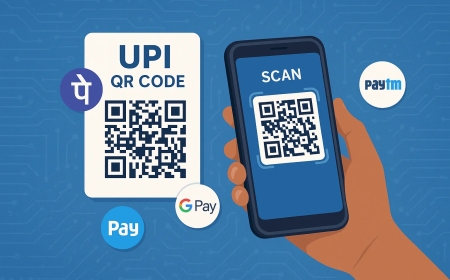
So whether you scan a QR code or pay online, extra verification will be required.
Payments May Take Slightly Longer
Due to the added security layer, transactions may take a few seconds longer.
However, for trusted devices or frequent users, the process may remain smooth.
Risk-Based Authentication System
The new system will use risk-based checks:
- Small or regular payments → fewer steps
- Large or unusual transactions → more verification
This balances security with convenience.
Banks Now More Responsible for Fraud
A major change is accountability.
Banks and payment platforms will now be more responsible:
- They must follow strict security standards
- If fraud happens due to system failure, users may get compensation
This improves user protection.
Faster Fraud Resolution Expected
With stricter rules:
- Complaints may be resolved faster
- Users may get better support from banks
This builds more trust in digital payments.
Rules for International Transactions Too
The RBI plans to extend similar rules to global payments:
- International card transactions will follow 2FA
- Full rollout expected by October 2026
This ensures safety even for cross-border payments.
Why RBI Introduced These Rules
India’s digital payment ecosystem is growing rapidly, but fraud cases are also increasing.
The new rules aim to:
- Reduce cyber fraud and scams
- Strengthen payment security
- Increase user confidence
What Users Should Do Now
To adapt to the new rules:
- Keep your mobile number active for OTP
- Set strong PINs and passwords
- Enable biometric authentication if available
- Avoid sharing OTP or personal details