











Petrol & Diesel Tax Cut in India: Why Prices Haven’t Dropped Yet
India cuts petrol and diesel taxes, but pump prices unchanged as global crude surge offsets benefits, says Finance Minister Sitharaman.
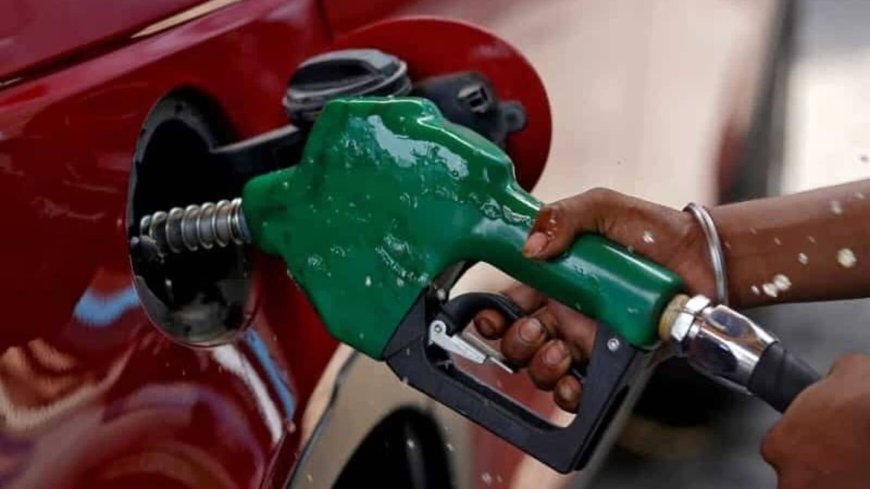
The Government of India has announced a major cut in fuel taxes, reducing excise duties on petrol and diesel. However, despite this move, consumers are unlikely to see any immediate relief at petrol pumps.
Finance Minister Nirmala Sitharaman clarified that while the decision aims to protect consumers, global factors are currently preventing a drop in retail prices.
Govt Cuts Excise Duty on Petrol and Diesel
The government has reduced special additional excise duty significantly:
- Petrol: Reduced from ₹13 to ₹3 per litre
- Diesel: Reduced from ₹10 to ₹0 per litre
Additionally, aviation turbine fuel (ATF) has been fully exempted from this duty.
Retail Prices Remain Unchanged
Despite the tax cut, petrol and diesel prices at fuel stations remain unchanged for now.
Officials say the reduction is not immediately reflected in retail pricing due to rising global crude oil costs.
Global Crisis Driving Oil Prices Higher
The key reason lies in the ongoing geopolitical tensions involving Iran, Israel, and the United States.
These tensions have disrupted oil supply routes, especially through the Strait of Hormuz, which handles a significant share of global oil trade.
Also Read:- Premium Petrol Price Hiked by ₹2 in India, Government Says No Impact on Common Users
Why Consumers Aren’t Seeing Benefit Yet
Although taxes have been reduced, the benefit is currently going to oil marketing companies (OMCs).
These companies have been absorbing losses due to rising crude prices while keeping retail fuel prices stable.
Duty Cut Helps Oil Companies Recover Losses
The excise duty reduction helps OMCs offset financial losses.
It acts as a buffer, allowing them to manage increasing import costs without raising prices for consumers immediately.
Export Duties Introduced to Secure Supply
To ensure domestic fuel availability, the government has imposed export duties:
- Diesel: ₹21.5 per litre
- Aviation fuel (ATF): ₹29.5 per litre
These measures aim to keep more fuel within the country.
FM Sitharaman: Relief Will Come in Long Term
Nirmala Sitharaman stated that the move will “protect consumers from rising prices” in the long run.
The idea is to prevent a sharp spike in fuel prices rather than provide immediate price cuts.
Govt Assures No Shortage of Fuel
The Ministry of Petroleum and Natural Gas has reassured citizens that fuel supply remains stable.
All petrol pumps across the country are operational and dispensing fuel normally.
Panic Buying Reports Dismissed
Authorities have dismissed rumours of fuel shortages and panic buying.
They confirmed that no fuel outlet has been instructed to ration supply.
India Avoids Extreme Measures Seen Globally
Unlike some countries that have introduced rationing or emergency measures, India has not imposed any restrictions.
The government says the situation is under control.
India Earlier Depended on Hormuz Route
Before the crisis, around 12–15% of India’s oil imports passed through the Strait of Hormuz.
Disruptions in this route have contributed to rising global oil prices.
Focus on Stability Over Price Cuts
The government’s current approach is to maintain price stability rather than reduce prices temporarily.
This helps avoid sudden price spikes if global conditions worsen further.