














Ami Nakai Leads Women’s Skating as Japan Eyes Olympic Podium Sweep
Ami Nakai tops women’s short program at 2026 Winter Olympics as Japan eyes historic podium sweep in figure skating.
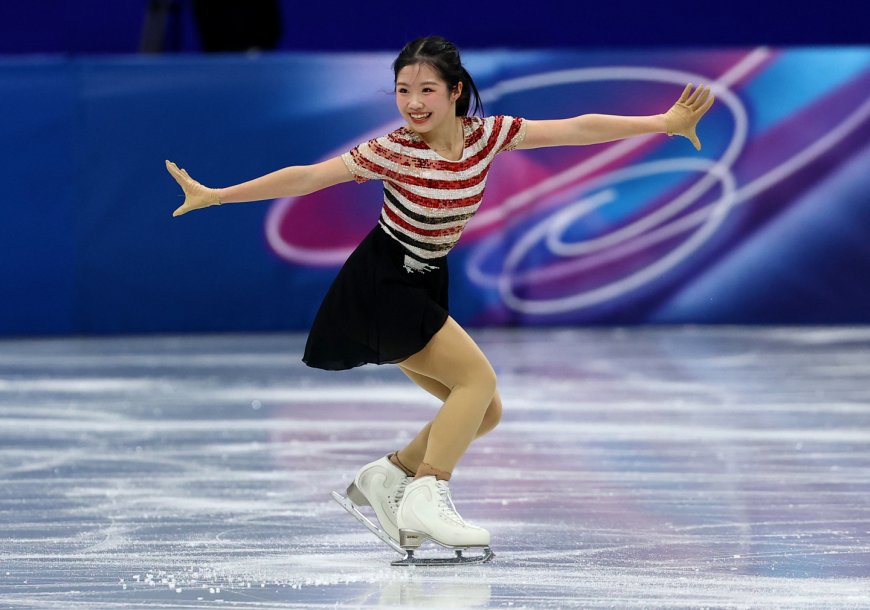
The women’s figure skating competition at the 2026 Winter Olympics has taken an electrifying turn, with 17-year-old Ami Nakai surging to the top after a stunning short program performance. With the International Skating Union recently raising the minimum age for competitors from 15 to 17, many believed the era of teenage Olympic champions was over. Nakai, however, appears ready to challenge that narrative in spectacular fashion.
1. Age Rule Change Reshapes Women’s Skating
The ISU’s decision to increase the minimum age was aimed at protecting young athletes and ensuring longevity in the sport. The move effectively ended the trend of 15-year-old Olympic champions. Yet, Nakai, at 17, has emerged as a symbol of how young skaters can still dominate within the new framework.
2. Nakai’s Breakthrough Short Program
Entering the Games as the youngest competitor in the women’s event, Nakai delivered a vibrant and technically sharp routine that exceeded expectations. Her performance not only showcased technical precision but also an infectious joy that captivated judges and spectators alike.
3. A Surprise Leader From the Middle of the Pack
Due to her lower world ranking and debut status on the senior tour, Nakai skated 18th out of 29 competitors — much earlier than other top contenders. Despite this disadvantage, she seized the spotlight, proving that timing and composure can outweigh ranking.
4. Season-Best Performance at the Perfect Time
Heading into Milan-Cortina 2026, Nakai’s season-best score stood at 78.00. Her Olympic performance surpassed expectations, demonstrating remarkable control under pressure. At the end of her routine, she smiled broadly and celebrated with a confident punch of the air.
5. Japan’s Dominance Across Disciplines
Japan’s strength in figure skating has been one of the defining stories of these Games. The country has already secured four medals, earning at least one in every skating discipline entered. The women’s competition now offers the possibility of a historic podium sweep.
6. Momentum From Earlier Medal Success
Japan’s skating campaign gained momentum after narrowly missing out on team gold to the United States. In the men’s event, Yuma Kagiyama and Shun Sato claimed silver and bronze following a surprise miss from American favourite Ilia Malinin.
7. Pairs Gold Boosts National Confidence
In the pairs event, Riku Miura and Ryuichi Kihara staged a remarkable comeback. After a mistake in the short program, they delivered a flawless free skate to climb from fifth place to gold — reinforcing Japan’s resilience and technical excellence.
8. Women’s Event Could Crown a Historic Sweep
With Nakai leading after the short program, the possibility of Japan securing all three medals in the women’s competition is real. Such a podium sweep would mark one of the most dominant performances in Olympic figure skating history.
9. Free Skate Set to Decide Everything
While the short program sets the tone, the free skate determines the medals. The final promises high drama, with seasoned contenders aiming to close the gap. Nakai must maintain composure and technical accuracy to convert her lead into gold.
10. A New Era for Women’s Figure Skating
Regardless of the final standings, this competition signals a transition phase for women’s skating. With stricter age rules and deeper global competition, the sport appears to be entering a more balanced and sustainable era. Nakai’s rise could symbolize the beginning of a new generation of champions.
Conclusion
The women’s figure skating finale at Milan-Cortina 2026 is poised to be one of the most compelling moments of the Winter Olympics. Ami Nakai’s unexpected surge has transformed the event into must-watch drama. Whether Japan achieves a podium sweep or faces a late challenge, the free skate promises artistry, athleticism, and unforgettable Olympic tension.