











Uber, Ola, Rapido Drivers to Strike Across India on February 7
Uber, Ola and Rapido drivers announce nationwide strike on February 7 over fares, regulation and working conditions concerns.
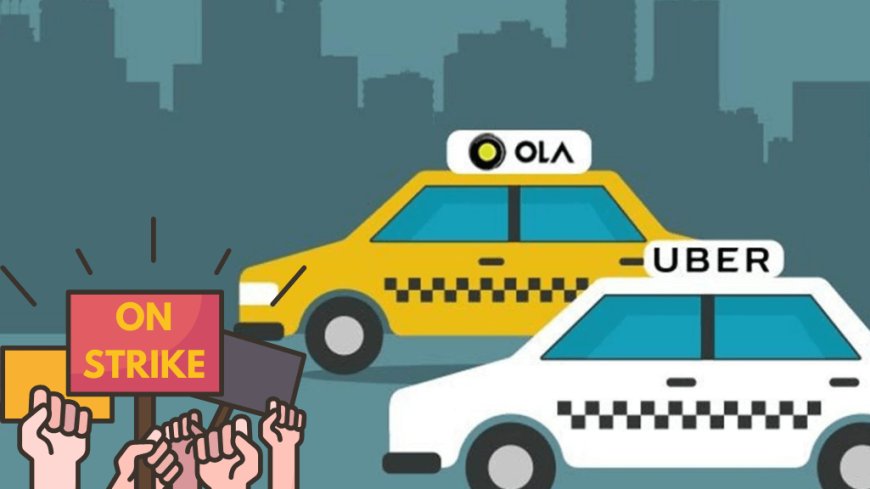
Commuters across India may face travel disruptions on Friday, February 7, as drivers associated with app-based ride-hailing platforms Uber, Ola, and Rapido have announced a nationwide strike. The protest, called the “All India Breakdown,” will see drivers switching off their apps simultaneously to highlight long-standing issues related to fares, regulation, and working conditions.
1. What Is the ‘All India Breakdown’ Strike?
The strike has been described by organisers as a coordinated shutdown of app-based transport services across the country. Drivers of cabs, autos, and bike taxis are expected to log out of their platforms for the day. Union leaders say the move is aimed at drawing national attention to what they call growing exploitation in the gig transport sector.
2. Who Is Organising the Nationwide Protest?
The protest is being led by the Telangana Gig and Platform Workers Union (TGPWU), along with several other labour bodies representing app-based drivers. In a social media post, the union said millions of drivers are affected by low fares and lack of regulation, prompting the call for collective action.
3. Why Uber, Ola and Rapido Drivers Are Protesting
According to the unions, the main issue is the absence of government-regulated fare structures for app-based transport services. Drivers allege that companies unilaterally decide fares, incentives, and commissions, leaving workers with unstable incomes and rising operating costs.
4. Concerns Over Income and Working Conditions
Driver groups say fuel prices, vehicle maintenance, and commission cuts have made it increasingly difficult to earn a sustainable income. Many drivers claim they are working longer hours just to maintain previous earnings. Unions argue that without regulatory safeguards, drivers are pushed toward financial distress.
5. Letter Sent to Union Minister Nitin Gadkari
The unions have written to Nitin Gadkari, the Union Minister for Road Transport and Highways, highlighting what they call “long-pending and unresolved issues.” They urged the government to intervene urgently to protect app-based transport workers.
6. Demand for Minimum Base Fares
One of the key demands is the immediate notification of minimum base fares by both central and state governments. The unions say fares should be finalised in consultation with recognised driver unions and aligned with the Motor Vehicle Aggregator Guidelines, 2025, to ensure fair earnings.
7. Call for Regulation of Private Vehicles
Another major demand is a ban on the use of private, non-commercial vehicles for commercial passenger and goods transport. Alternatively, unions want such vehicles to be compulsorily converted into commercial categories, as required under existing motor vehicle laws and aggregator guidelines.
8. Impact on Commuters Across Cities
The extent of disruption is expected to vary by region, depending on participation levels. Major cities that heavily depend on app-based transport services may see fewer cabs, autos, and bike taxis available, especially during peak morning and evening hours.
9. What Passengers Should Prepare For
Commuters are advised to plan alternative travel arrangements on February 7. Those who rely on app-based rides for office commutes, airport travel, or late-night journeys may want to consider public transport, carpooling, or private arrangements for the day.
10. Bigger Questions Around Gig Economy Regulation
The strike has once again brought attention to the broader debate around regulation of gig-economy platforms in India. Labour experts say clearer policies are needed to balance innovation with worker protection, as millions now depend on platform-based work for their livelihood.
Conclusion
The planned nationwide strike by Uber, Ola, and Rapido drivers highlights growing tensions within India’s app-based transport sector. As drivers demand fair fares and stronger regulation, commuters may face short-term inconvenience on February 7. Whether the protest leads to policy changes will depend on how authorities and platform companies respond to the concerns raised.