














Gold, Silver or Copper: Which Metal Is Best to Invest in 2026?
Gold, silver, and copper returns explained for 2026 investors, with trends, risks, and smart investment ideas in simple language today.
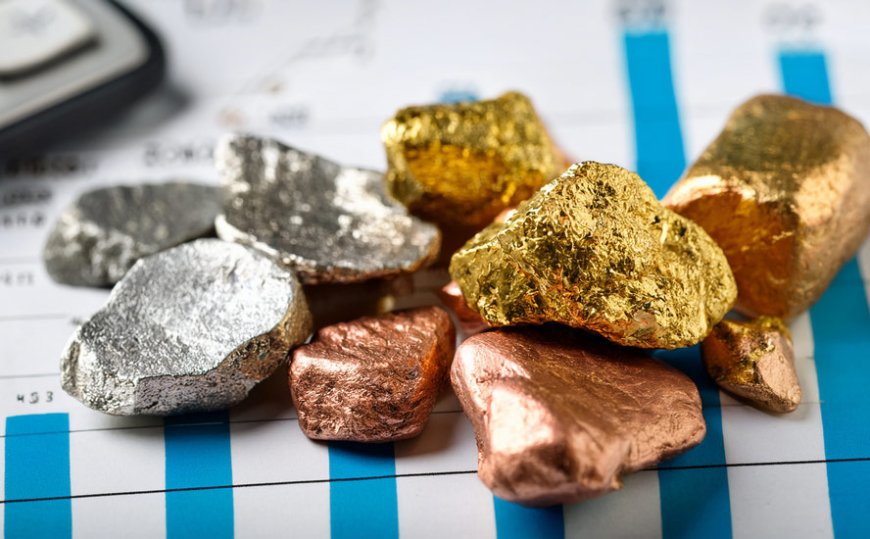
In 2025, gold and silver once again took center stage in investor portfolios, driven by inflation fears, global uncertainty, and shifting interest rate expectations. However, while most eyes stayed fixed on precious metals, copper quietly emerged as one of the strongest performers, delivering returns of nearly 50% in several global markets. This unexpected rise has now pushed copper into the spotlight, raising an important question for investors: Should copper be a part of your investment strategy in 2026?
1. Why Copper Prices Surged in 2025
Copper prices rose sharply last year due to strong global demand, supply disruptions, and increased industrial usage. Major infrastructure projects, electric vehicle production, and renewable energy expansion fueled massive consumption. At the same time, mining output remained limited because of operational challenges, environmental restrictions, and labor shortages. This imbalance between supply and demand helped copper prices climb steadily throughout the year.
2. The Green Energy Boom Is Powering Demand
One of the biggest drivers behind copper’s growth is the green energy transition. Solar panels, wind turbines, electric vehicles, and charging infrastructure all depend heavily on copper wiring and components. As countries push harder toward cleaner energy targets, copper consumption continues to increase. Experts believe this trend is only in its early stages, which could support strong demand well into 2026 and beyond.
3. Infrastructure Spending Is a Key Growth Engine
Governments across the world have announced large-scale infrastructure spending programs to revive economic growth and modernize transport, power grids, and urban facilities. These projects require significant quantities of copper. From railway lines to smart cities and power transmission systems, copper remains a core material. Continued government investment could keep demand elevated.
4. Limited Mining Supply May Push Prices Higher
Unlike gold and silver, copper mining is capital-intensive and time-consuming. Developing new mines takes several years, while existing mines are facing declining ore quality. Environmental regulations and community resistance are also slowing expansion. This tight supply scenario could act as a strong price support, keeping copper prices firm in 2026.
5. Copper vs Gold and Silver: A Different Role
Gold and silver are traditionally seen as safe-haven assets, especially during economic uncertainty. Copper, on the other hand, is more closely tied to industrial growth. While precious metals protect wealth, copper offers growth exposure. This makes copper a useful diversification tool, helping balance portfolios that are heavily tilted toward defensive assets.
6. China’s Recovery Could Be a Game Changer
China remains the world’s largest copper consumer. Any rebound in Chinese construction, manufacturing, and infrastructure activity could significantly impact global copper prices. Recent government stimulus measures aimed at reviving economic growth may strengthen copper demand, offering another positive signal for investors considering 2026 exposure.
7. Inflation Hedge Potential
Although copper is not traditionally seen as an inflation hedge like gold, its industrial nature often allows prices to rise alongside inflation. As manufacturing costs increase, copper prices tend to follow. This makes copper an indirect hedge against rising price levels, especially during commodity-driven inflation cycles.
8. Volatility Remains a Key Risk
Despite strong performance, copper prices can be highly volatile. Global economic slowdowns, reduced industrial activity, or changes in trade policies can quickly impact demand. Investors must be prepared for short-term price swings. A long-term perspective is crucial for those looking to invest in copper.
9. How Retail Investors Can Invest in Copper
Retail investors can gain exposure to copper through commodity mutual funds, exchange-traded funds (ETFs), mining company stocks, and futures contracts. For conservative investors, ETFs and diversified commodity funds offer easier access with lower risk. Direct futures trading is suitable only for experienced investors due to high volatility.
10. Should Copper Be in Your 2026 Portfolio?
Copper’s strong fundamentals, rising industrial demand, and limited supply suggest it could remain a strong performer in 2026. While gold and silver will continue to play important roles, adding copper can enhance portfolio diversification and growth potential. However, allocation should be based on individual risk appetite and investment goals.
Conclusion
Copper’s quiet 50% rally in 2025 serves as a reminder that major opportunities often go unnoticed. With global energy transitions, infrastructure investments, and supply constraints shaping future demand, copper appears well-positioned for continued growth. As investors plan their 2026 strategies, copper deserves serious consideration alongside traditional portfolio favorites like gold and silver.