













Apple Raises MacBook And iPad Prices As AI Boom Pushes Component Costs Higher
Apple has increased the prices of MacBooks, iPads and other products due to rising memory and storage costs driven by the AI boom. Check the latest Apple price hike, reasons behind it, affected products and what it means for customers.
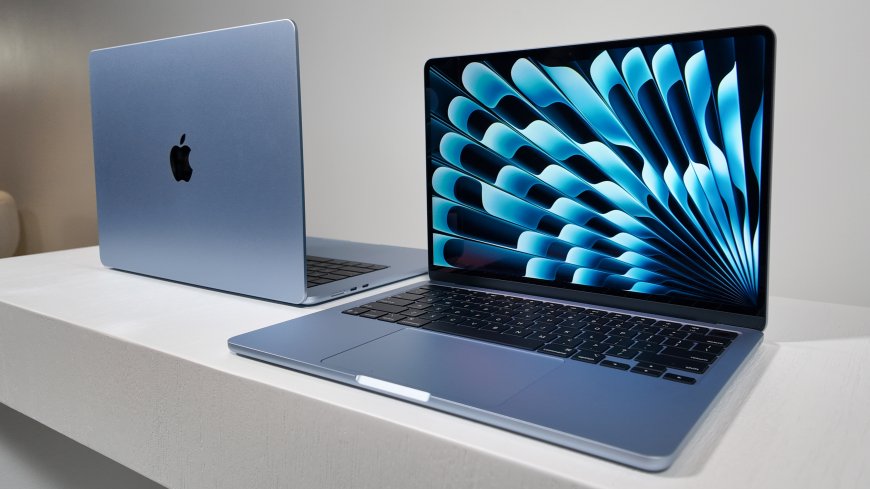
Apple has officially announced a significant price increase across several of its popular product categories, including MacBooks, iPads, and Apple TV devices. The move comes as the technology giant faces soaring component costs driven by the global artificial intelligence (AI) boom, marking one of the company's most notable pricing adjustments in recent years.
The decision follows months of speculation after Apple executives repeatedly warned that rising hardware costs could eventually impact consumers. With AI infrastructure expanding rapidly worldwide, the demand for memory chips and storage components has surged to unprecedented levels, forcing manufacturers to rethink pricing strategies.
While Apple has managed to shield customers from these rising costs for some time, the company now says the market has reached a point where absorbing these expenses is no longer sustainable.
Apple Announces Price Increase Across Multiple Products
Apple's latest pricing update affects several devices across its product lineup. Customers visiting the company's official website will notice higher prices for MacBooks, iPads, and Apple TV devices.
The most significant increase is seen in the MacBook Pro lineup. The popular 14-inch MacBook Pro, previously priced at around $1,700, now starts at approximately $2,000, representing a $300 increase.
Similarly, the iPad Air has become considerably more expensive, rising from $600 to $750. Apple's streaming device, Apple TV, has also received a substantial price revision, moving from $130 to $200.
Interestingly, Apple's flagship product-the iPhone-has escaped the latest round of price hikes, with the company choosing to keep smartphone pricing unchanged for now.
AI Boom Is Driving Up Hardware Costs
According to Apple, the primary reason behind the price increase is the explosive growth of artificial intelligence infrastructure worldwide.
The rapid construction of AI data centres by technology companies has created unprecedented demand for advanced memory modules and high-capacity storage components. These parts are essential not only for AI servers but also for everyday consumer electronics such as laptops, tablets, smartphones, and streaming devices.
As demand continues to outpace supply, manufacturers of memory chips and storage solutions have significantly increased prices, forcing hardware companies like Apple to absorb higher production costs.
Apple stated that the company has never witnessed component prices rise so sharply within such a short period.
Memory And Storage Components Becoming More Expensive
Industry experts say the current shortage is unlike anything seen in recent years.
Memory chips, RAM modules, and flash storage have become critical components for AI servers, cloud computing infrastructure, and next-generation computing systems. As technology companies race to build AI capabilities, suppliers have struggled to meet global demand.
Reports suggest prices for certain memory components have been increasing by more than 50 percent every quarter since late 2025, creating enormous pressure across the electronics industry.
Since nearly every modern electronic device relies on these components, rising costs have affected manufacturers across multiple sectors-not just Apple.
Apple Says It Delayed Passing Costs To Customers
Apple emphasized that it has been protecting customers from rising manufacturing costs for as long as possible.
The company explained that although production expenses have steadily increased over the past several months, it chose to absorb much of the additional burden rather than immediately increase retail prices.
However, executives now believe the situation has reached a stage where continuing to absorb those costs would no longer be financially practical.
According to Apple, the latest pricing changes simply reflect the reality of today's hardware supply chain rather than an effort to increase profit margins.
Tim Cook Had Already Warned About Higher Prices
Outgoing Apple CEO Tim Cook had hinted at this possibility even before the official announcement.
During a recent interview, Cook described the ongoing surge in memory prices as a "hundred-year flood," suggesting that the semiconductor market is experiencing one of its most dramatic supply-demand imbalances in history.
He acknowledged that higher product prices had become "unavoidable" because suppliers were significantly increasing component prices while consumer demand for premium devices remained strong.
Cook also noted that shortages in memory production were affecting nearly every major technology company worldwide.
Apple Shares Fall Following Announcement
Investors reacted negatively to the news of Apple's price increases.
Following the announcement, Apple shares fell by nearly 4.7 percent during morning trading as concerns grew over whether higher prices could affect consumer demand.
Although Apple remains one of the world's most valuable technology companies—with annual revenue exceeding $416 billion—analysts believe sustained price increases could slow sales in certain product categories, particularly in price-sensitive markets.
Some investors also worry that competitors may use more aggressive pricing strategies to attract customers looking for alternatives.
Why The iPhone Price Remains Unchanged
One notable aspect of Apple's announcement is that iPhone prices remain unchanged despite increasing manufacturing costs.
The iPhone continues to generate the largest share of Apple's annual revenue, making it one of the company's most strategically important products.
Industry analysts believe Apple intentionally avoided raising iPhone prices to maintain strong smartphone sales ahead of the launch of its next-generation devices later this year.
By keeping iPhone pricing stable, Apple may be attempting to preserve its competitive position while shifting cost increases toward products with relatively lower sales volumes.
John Ternus Will Face The Next Big Challenge
The latest pricing decision comes during a period of major leadership transition at Apple.
Long-time CEO Tim Cook is set to step down later this year, with John Ternus, Apple's current hardware chief, preparing to take over as the company's next Chief Executive Officer on September 1.
Ternus will inherit several significant challenges, including managing supply-chain pressures, maintaining customer confidence after the latest price hikes, and overseeing the launch of Apple's next generation of products.
His first major test is expected to arrive just days after assuming office when Apple unveils its newest iPhone lineup.
AI Is Changing The Entire Technology Industry
Apple's decision highlights a broader transformation occurring across the global technology industry.
Artificial intelligence has become the biggest driver of hardware demand, influencing everything from semiconductor production and cloud infrastructure to consumer electronics pricing.
As companies continue investing billions of dollars in AI development, demand for advanced chips, storage devices, and high-speed memory is expected to remain elevated for the foreseeable future.
This trend could lead to higher prices across multiple categories of electronic devices-not just Apple products-as manufacturers adjust to the new cost structure created by the AI revolution.
What Apple Customers Should Expect Next
For consumers planning to purchase a MacBook, iPad, or Apple TV, the latest price increases mean higher upfront costs than before.
However, the company has not indicated whether additional products will see similar adjustments in the coming months.
Much will depend on how the semiconductor market evolves and whether supply can eventually catch up with the enormous demand generated by AI infrastructure projects worldwide.
With Apple's leadership transition approaching and new product launches expected later this year, customers and investors alike will be closely watching whether pricing stabilises or further increases become necessary.
For now, one thing is clear: the AI revolution is no longer just transforming software—it is also reshaping the cost of the devices millions of people use every day.