













Google Pixel 11 Pro Leaks: Custom TSMC 2nm Tensor G6 and Radical "Pixel Glow" Lighting Exposed
Massive newly leaked internal documents reveal Google's ambitious plans for the upcoming Pixel 11 Pro (Codenamed "Grizzly"). Get the full scoop on the advanced TSMC 2nm Tensor G6 chip, the new MediaTek M90 modem, Samsung's ultra-premium M16 OLED display panel, and the innovative "Pixel Glow" RGB ambient notification light bar.

The "Grizzly" Exposed: Massive Google Playbook Leak Outlines Next-Gen Pixel 11 Pro Upgrades
The global consumer tech community completely erupted today as an unprecedented, comprehensive leak laid bare virtually every critical detail surrounding Google’s upcoming flagship family. Real-time digital search engines captured a massive, vertical volume spike over the last few hours for the query "pixel 11 pro" as hardware enthusiasts rushed to unpack the blueprint details.
Leaked internal development documents have confirmed that the 2026 lineup relies heavily on a bear-themed naming convention, assigning the internal codename "Grizzly" directly to the high-end Google Pixel 11 Pro. Expected to officially debut at a dedicated "Made by Google" summer launch event in mid-to-late August 2026, the new flagship focuses on a "software over raw muscle" approach balanced by major foundation improvements.
TSMC 2nm Tensor G6 Ditches Samsung Modems
The headline performance story is the major evolution of Google’s in-house silicon architecture. The upcoming Tensor G6 chipset finally jumps to TSMC's ultra-efficient 2-nanometer (2nm) manufacturing process. This critical shrink puts Google on a perfectly level playing field with Apple's upcoming elite mobile silicon node.
Leaked diagnostic listings detail a unique 7-core processor architecture:
-
1x ARM C1-Ultra core pushed to a blistering 4.11GHz peak frequency.
-
4x ARM C1-Pro performance cores running comfortably at 3.38GHz.
-
2x efficiency-focused C1-Pro cores humming at 2.65GHz.
While graphics processing is rumored to run on a slightly older PowerVR C-Series configuration to prioritize die space, connectivity gets an incredible reliability upgrade. In a massive victory for signal stability, Google is reportedly ditching the long-maligned Samsung Exynos modem in favor of MediaTek's new M90 unit, a change set to vastly improve 5G battery drain on mobile data networks.
The "Pixel Glow" Ambient Notification System
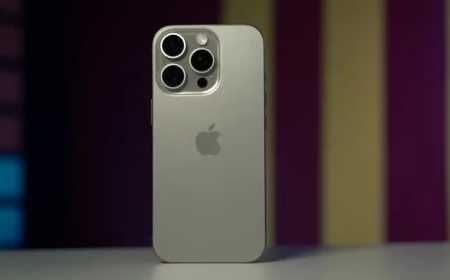
Visually, the device will heavily retain the elegant, flat-sided structural layout established by past generations, but it implements an incredibly unique visual feature on the rear chassis. Google is officially removing the hardware temperature sensor from the camera bar to make way for "Pixel Glow".
Spotted in early Android 17 QPR source files, Pixel Glow is a subtle, color-coded RGB ambient lighting system integrated directly onto the camera bar. Drawing early comparisons to Nothing's signature Glyph interface, this lighting block uses micro-LED strips adjacent to the camera flash to deliver custom light pulses and charging statuses while the handset rests face-down on a flat surface.
Premium Display and Strategic RAM Optimization
On the front side, the Pixel 11 Pro will feature a crisp 6.3-inch LTPO AMOLED display utilizing Samsung Display's top-tier M16 OLED material panel. This places Google's visual display layer generationally ahead of several current rival premium flagships. The new display pushes peak brightness thresholds up to a dazzling 2,450 nits.
The single point drawing intense discussion among community forums is Google's strategic RAM configuration. To aggressively keep pricing locked close to the traditional $999 (Approx ₹1,00,000+) entry-level sweet spot amidst rising manufacturing component costs, Google may introduce a secondary 12GB variant alongside the premium 16GB variant.
With massive upgrades including advanced "Speak-to-Tweak" generative image editing features baked directly into Android 17, the Pixel 11 Pro is gearing up to be a deeply intelligent, highly polished everyday machine.