













How Social Media Is Hurting Students – 10 Signs Every Parent Should Know
Discover how social media may be affecting students’ mental health. Learn 10 warning signs and how to spot them early.
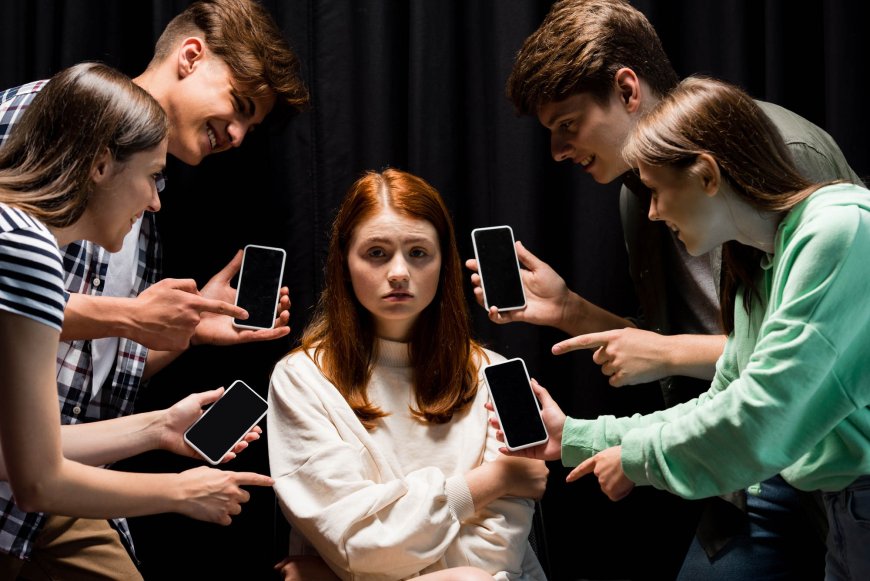
Social media has become a big part of students' lives. From sharing selfies on Instagram to keeping up with trends on TikTok, many young people are spending several hours a day on these platforms. While it can be fun and even educational at times, experts are warning that too much use may be quietly affecting their mental health.
Recent reports and studies suggest that social media may be causing anxiety, depression, and other emotional issues in students. It’s not always easy to notice the damage right away, but the signs are there—and parents, teachers, and students themselves should be aware.
Let’s look at the key signs that social media might be harming young minds.
1. Constant Comparison with Others
One of the biggest issues on platforms like Instagram and Snapchat is the pressure to appear perfect. Students often compare their looks, achievements, and lifestyle with what they see online.
But what they’re comparing themselves to is often edited, filtered, or fake. This leads to low self-esteem and the feeling that they’re “not good enough.” Over time, this can seriously damage a student's confidence.
2. Difficulty Concentrating on Studies
Many students say they feel the need to check their phones every few minutes. This habit, often called “doom scrolling,” breaks focus and makes it hard to stay on task.
Teachers have noticed a drop in attention span in classrooms. Even during homework, the constant buzzing of notifications is distracting. This can result in poor academic performance and a loss of interest in learning.
3. Mood Swings and Irritability
Has your child become more easily upset or angry? It might be linked to their social media use.
Apps are designed to give quick rewards through likes and comments. When those rewards aren’t received, some students feel rejected. Over time, this causes mood swings, irritability, and even anger issues.
4. Sleep Problems
Experts recommend at least 8 hours of sleep for teens. But social media is keeping many students awake late at night. Some scroll for hours in bed, while others are disturbed by notifications.
Lack of sleep affects memory, learning ability, and emotional balance. When students are tired, they also struggle with managing stress, which only worsens their mental health.
5. Fear of Missing Out (FOMO)
FOMO is a real and rising problem. Students feel anxious if they think they’re missing out on events, trends, or online conversations.
This fear causes them to check their phones constantly, even when doing other tasks. It becomes a cycle—anxiety leads to checking, checking leads to more anxiety.
6. Cyberbullying and Online Harassment
Unlike schoolyard bullying, online bullying can follow students everywhere. Mean comments, sharing embarrassing pictures, or spreading rumors can all happen through social media.
Many students suffer silently, afraid to tell anyone. This can lead to serious emotional pain, depression, and in some cases, self-harm.
7. Loss of Real-Life Social Skills
As students spend more time chatting online, they may lose confidence in face-to-face communication. They might struggle to talk to teachers, peers, or even family members.
Real-life social skills are important for building relationships, handling conflict, and working in teams. When these are missing, students may feel isolated or misunderstood.
8. Chasing Likes for Validation
Many students begin to rely on likes, views, and shares to feel good about themselves. If their post doesn’t do well, they may feel rejected or worthless.
This habit can become an addiction. Instead of doing things for joy or growth, students begin doing things only for online approval. This affects self-worth and identity development.
9. Anxiety and Panic Attacks
Some students report feeling anxious before posting online. They worry about how people will react or whether they will be judged.
Over time, this stress builds up. Some begin to have panic attacks or chronic anxiety. They may even avoid school or social situations because they’re too overwhelmed.
10. Withdrawal from Family and Friends
A student who spends too much time on their phone may begin to withdraw from those around them. They may stop talking during dinner, skip family outings, or avoid hanging out with friends in person.
This kind of isolation can be harmful. Human connection is key for emotional health, especially during teenage years. When that connection is missing, students can feel lonely and unsupported.
Final Thoughts
Social media is not all bad. It helps students learn, express themselves, and stay connected. But like anything, it needs to be used in balance.
Parents and teachers should watch for the signs and talk openly with students about how they’re feeling. Encourage digital breaks, set screen-time limits, and create phone-free zones during study or sleep hours.
Most importantly, help students build self-worth outside of the digital world—through hobbies, sports, friendships, and family time.
If we stay aware and act early, we can protect young minds from the hidden harms of social media—before it’s too late.