













CIA Used Deception to Rescue US Pilots After F-15 Crash in Iran
CIA used deception to rescue US pilots after F-15 crash in Iran, amid intense search, air combat and global tension.
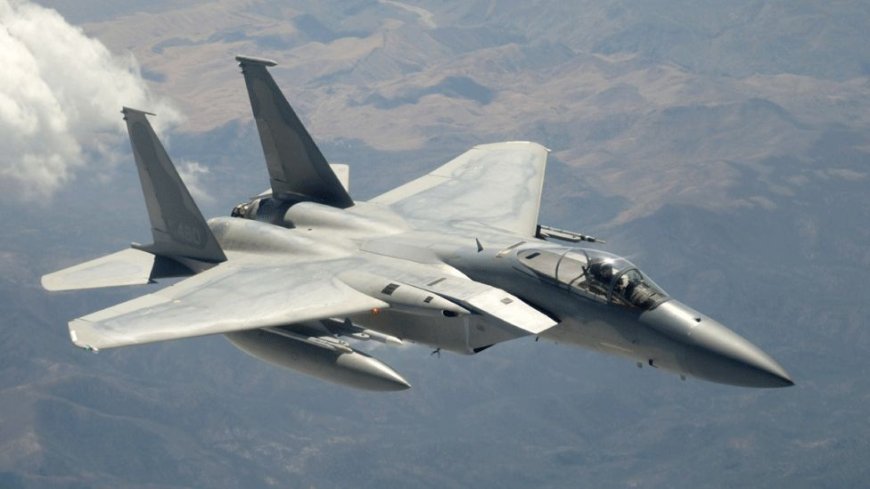
The recent rescue operation carried out by the Central Intelligence Agency and the United States military has emerged as one of the most intense and complex missions in modern warfare. After a US fighter jet - the F-15E Strike Eagle
was shot down deep inside Iran, a high-stakes operation unfolded to rescue two stranded crew members from hostile territory.
This mission combined deception, intelligence coordination, advanced air power, and extreme risk-taking, highlighting how modern rescue operations are no longer just about strength, but strategy and timing.
How the Mission Began
The crisis started when the F-15E Strike Eagle was brought down during active conflict conditions.
Both crew members ejected safely but landed in enemy territory, triggering an urgent rescue mission. One of them was located relatively quickly, while the second remained missing in a mountainous region.
CIA’s Deception Strategy Played Key Role
To gain an advantage, the CIA launched a carefully planned misinformation campaign.
False intelligence was circulated within Iran suggesting that the US had already located and was evacuating the missing pilot. This tactic confused Iranian forces and diverted their attention away from the pilot’s real location.
Tracking the Missing Pilot in Mountains
The second crew member, reportedly injured, survived by hiding in rugged terrain.
He climbed nearly 7,000 feet and took shelter in a mountain crevice, avoiding detection while being actively searched by Iranian forces and civilians.
A 7-Hour High-Risk Rescue Operation
Once the pilot’s location was confirmed, the US launched a coordinated rescue mission.
The operation reportedly lasted seven hours and required complete radio silence to avoid detection. Multiple aircraft were deployed for extraction.
Use of Black Hawk Helicopters
Rescue teams used Black Hawk helicopter for extraction.
However, reports suggest that these helicopters came under fire during the mission, adding to the danger faced by the rescuers.
Technical Failures Complicated Mission
The operation faced additional challenges due to technical issues.
Two transport aircraft reportedly malfunctioned and had to be destroyed mid-mission to prevent them from falling into enemy hands.
Race Between US and Iran Forces
While the US was trying to rescue the pilot, Iran was simultaneously attempting to locate and capture him.
Iranian media even urged citizens to report sightings of the “enemy pilot,” intensifying the pressure on the operation.
Second Aircraft Also Downed
Reports indicate that another US aircraft, possibly an A-10, was also brought down during the same period.
Though the pilot ejected safely, it added another layer of complexity to the situation.
Trump Claims Strategic Success
Former US President Donald Trump described the mission as a success.
He stated that both crew members were rescued without casualties, calling it proof of US air dominance.
Global Reactions and Strategic Questions
The operation has raised global questions about escalation, military tactics, and intelligence warfare.
While the US highlighted its success, reports of losses and damaged aircraft have sparked debate.
Modern Warfare: Strategy Over Strength
This mission highlights how modern warfare depends heavily on intelligence, deception, and precision.
The CIA’s role shows how misinformation can be as powerful as weapons in high-risk operations.
Conclusion
The rescue of the F-15 crew in Iran stands as a dramatic example of modern military operations. It combined stealth, deception, and rapid decision-making under extreme pressure.
While both pilots were successfully recovered, the mission also exposed the risks involved in deep-territory operations and the growing complexity of global conflicts.