










India to Introduce Plastic Currency Notes? RBI to Begin Polymer Note Trials Soon
India is preparing to introduce polymer currency notes as the RBI begins field trials for ₹10 and ₹20 denominations. Here's why plastic notes are being introduced, how they differ from paper currency, and whether existing notes will remain valid.
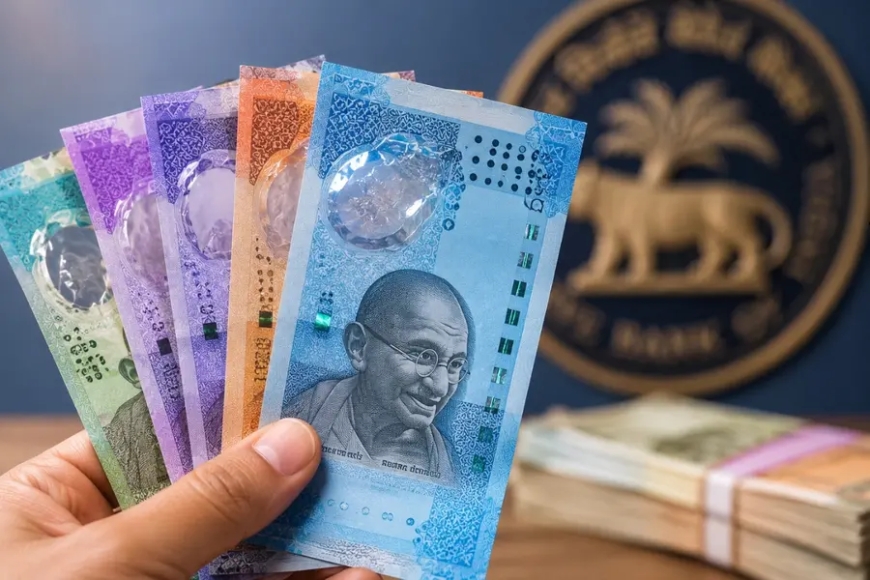
India could soon witness one of the biggest changes in its currency system in decades. The Reserve Bank of India (RBI) has received approval from the government to begin field trials of polymer (plastic) banknotes, marking the country's first serious move toward introducing plastic currency.
The pilot project will initially cover ₹10 and ₹20 notes, two denominations that are widely used and often wear out quickly. While the announcement has generated considerable curiosity, the government has clarified that existing paper notes will not be withdrawn. Instead, both paper and polymer notes are expected to circulate together if the trials prove successful.
Why Is RBI Introducing Polymer Notes?
The main objective behind polymer banknotes is to make India's currency more durable and secure.
Unlike conventional paper notes, polymer notes are manufactured using a special plastic substrate that is far more resistant to moisture, dirt, folding, and everyday wear and tear. Because they last much longer, they need to be replaced less frequently, helping reduce currency printing and replacement costs over time.
Many countries that adopted polymer notes have reported lower long-term expenses despite higher production costs.
Field Trial to Begin With ₹10 and ₹20 Notes
The government has authorised the RBI to print two billion polymer banknotes for the initial testing phase.
The trial will include:
- One billion ₹10 notes
- One billion ₹20 notes
These denominations were selected because they are among the most frequently used notes in daily transactions and therefore experience the highest levels of physical wear.
The field trial will help the RBI evaluate how polymer notes perform under Indian climatic and usage conditions before taking any decision on wider circulation.
Will Existing Paper Notes Become Invalid?
One of the biggest concerns among the public is whether paper currency will disappear.
The government has made it clear that there is no proposal to replace paper currency completely.
Instead, polymer and paper notes are expected to co-exist, meaning both versions will remain legal tender. Citizens will be able to use existing paper notes exactly as they do today, even after polymer notes enter circulation.
The transition, if expanded, is expected to happen gradually over several years.
What Makes Polymer Notes Different?
Polymer banknotes differ significantly from traditional paper currency.
They are printed on a non-porous plastic film instead of cotton-based paper, making them:
- More resistant to water and humidity.
- Harder to tear accidentally.
- Cleaner because they absorb less dirt.
- More durable in everyday use.
- Better suited for advanced security features.
These advantages have encouraged several central banks worldwide to replace paper currency with polymer notes.
Why Is RBI Reviving This Proposal Now?
Interestingly, the idea of polymer currency is not new.
The RBI first proposed introducing polymer banknotes more than a decade ago. In 2012, plans were announced to test polymer ₹10 notes in selected cities. However, the proposal did not move forward at the time.
The latest approval revives that earlier plan, supported by improvements in printing technology, stronger security features, and the growing need for longer-lasting currency.
The move also comes as India continues expanding its currency-printing infrastructure.
Many Countries Already Use Plastic Notes
India would not be the first country to adopt polymer currency.
Today, around 60 countries use polymer banknotes in some form.
Australia became the world's first nation to introduce polymer notes in 1988. Since then, countries including Canada, the United Kingdom, New Zealand, Singapore, Malaysia, Thailand, and Vietnam have also adopted plastic currency for several denominations.
These countries have generally reported improved durability, lower replacement frequency, and better protection against counterfeiting.
RBI's Tender Includes Strict Security Conditions
To support the project, RBI's currency printing company has invited global manufacturers to supply specialised polymer substrates.
The tender includes several strict security requirements.
Suppliers must ensure that materials used for India's polymer notes are not sourced from China or Pakistan. Companies bidding for the contract must also separate any operations related to those countries from work undertaken for India's currency project.
In addition, suppliers must demonstrate prior experience in manufacturing secure polymer substrates for central banks.
These conditions aim to safeguard both national security and the integrity of India's currency system.
Could Polymer Notes Reduce Printing Costs?
Although polymer notes cost more to manufacture initially, they generally remain in circulation much longer than paper notes.
Since they do not wear out as quickly, governments spend less on replacing damaged currency over time.
The RBI has already reported a decline in overall currency printing expenditure during the previous financial year, while the total amount of cash circulating in the economy continued to increase.
If polymer trials prove successful, the long-term savings from lower replacement frequency could further improve the efficiency of India's currency management.
What Happens Next?
The upcoming field trial will be the most important phase of the project.
During this period, the RBI will study how polymer notes perform under real-life conditions, including their durability, public acceptance, security effectiveness, and printing quality.
Only after analysing the results will the central bank decide whether polymer notes should be introduced on a larger scale or extended to additional denominations.
Until then, paper currency will continue to remain fully valid across the country.
Final Thoughts
India's decision to begin polymer banknote trials marks a significant step in the evolution of its currency system. By introducing durable plastic notes for ₹10 and ₹20 denominations, the RBI hopes to improve the lifespan, security, and efficiency of everyday currency without replacing existing paper notes. While the project remains in its early stages, the experience of several countries that already use polymer currency suggests that the technology can offer meaningful long-term benefits. For now, citizens can continue using paper notes normally while the RBI carefully evaluates whether plastic currency is suitable for nationwide adoption.