










Ladakh Viral Video: “We Are Gen Z” Tourist Apologises to Army
Ladakh viral video controversy: A tourist who faced backlash after an Army interaction has apologised. Know what happened and why the video went viral.
A viral video from Ladakh has sparked a major online debate, but the latest development has changed the story again.
The tourist at the centre of the “We are Gen Z” viral video has now apologised to the Indian Army, Jammu and Kashmir Police and Ladakh Police after facing widespread criticism over her behaviour at a security checkpoint.
The woman said she was frustrated after being made to wait for several hours and admitted that she should not have spoken to security personnel in that manner.
What Happened in the Viral Ladakh Video?
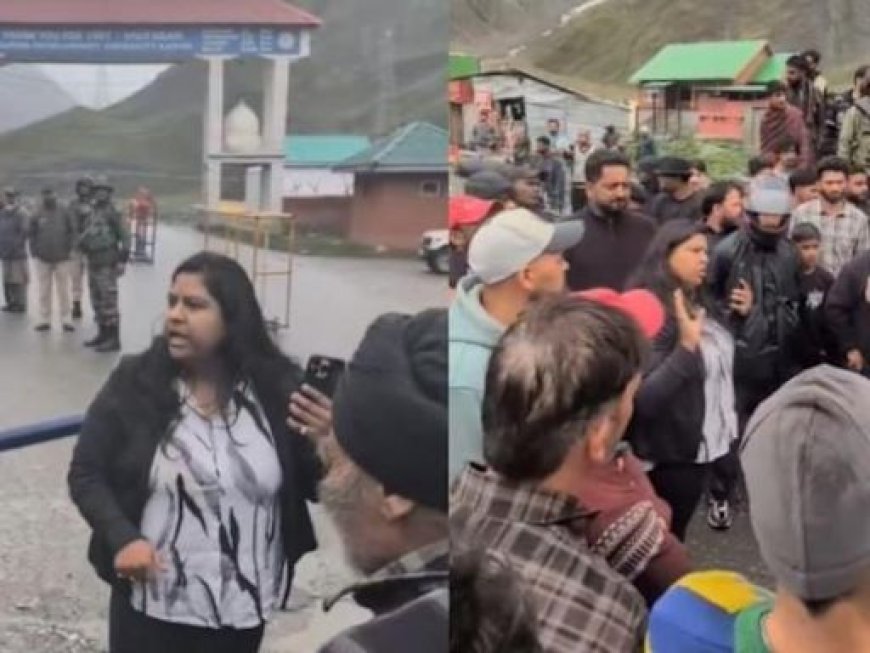
The controversy began after a video showing a young female tourist arguing with security personnel at a checkpoint in the Ladakh region spread rapidly across social media.
In the video, the woman could be heard saying “We are Gen Z” while questioning why tourists were being stopped.
The video attracted strong reactions because of the way she spoke to security personnel and because of remarks related to taxpayers and soldiers' salaries.
The incident reportedly took place near the Minimarg checkpoint in the Kargil region. Reports say tourists had been stopped for several hours because of security-related movement in the area.
Why Did the Video Become So Controversial?
The phrase “We are Gen Z” quickly became the main talking point on social media.
Many users felt that the statement was being used to justify the confrontation with security personnel. Army veterans also criticised the woman's behaviour and said that being part of a particular generation does not give anyone the right to ignore security protocols or disrespect soldiers.
The controversy grew further after Jammu and Kashmir Chief Minister Omar Abdullah reacted to the incident.
He compared the attitude behind the statement to the old “Do you know who my father is?” style of entitlement and warned against using “Gen Z” as a form of intimidation.
Tourist Now Apologises to the Army
After the backlash, the woman has now publicly apologised.
She expressed regret over her behaviour and asked the Indian Army to forgive her. She also apologised to the Jammu and Kashmir Police and Ladakh Police.
In her explanation, she said that she had been frustrated after waiting for several hours without understanding why the road had been closed.
She also claimed that the viral video did not show the entire situation.
According to her account, other women in the group had also been complaining about the long wait, but she happened to be standing at the front and therefore appeared most prominently in the recording.
“I Am Extremely Sorry”
In her apology, the tourist acknowledged that being frustrated did not justify the way she spoke.
She said that people should understand the place and circumstances before reacting, especially when dealing with the Army, police or government officials.
She also clarified that saying “Gen Z” does not mean that someone can speak to security personnel in any manner.
Her apology has now become another major part of the viral story, with social media users discussing whether her explanation should be accepted.
Why Were Tourists Stopped?
The incident reportedly happened during a period of security restrictions in the area.
Reports have linked the road closure to the movement of senior officials and security arrangements in the region. The incident occurred at a sensitive high-altitude location where security protocols can lead to temporary restrictions on civilian movement.
The woman reportedly claimed that tourists had been waiting for several hours.
However, the exact circumstances and the full sequence of events have been discussed differently across social media posts and reports, so viral clips should not be treated as the complete record of the incident.
Army Veterans React to the Controversy
The video also attracted reactions from retired military officers.
Former Army officials criticised the tone used by the tourist and stressed the importance of respecting uniformed personnel and security procedures.
One retired Army chief also responded to the controversy, while other veterans argued that the incident should not be used to portray an entire generation of young Indians in a negative way.
The debate has therefore gone beyond the original video.
It has become a wider discussion about Gen Z, social media behaviour, public frustration and respect for security forces.
What the Tourist Said About the Viral Video
The woman has also argued that the video circulating online does not show the complete context.
She said the long wait and lack of information contributed to her frustration.
At the same time, she accepted that her behaviour and words were inappropriate.
Her latest statement has added another side to the story, although the viral clip continues to circulate widely online.
Why Is “We Are Gen Z” Trending?
The phrase became popular because it was unusual in the context of an argument at a security checkpoint.
The clip spread quickly across social media, leading to memes, criticism, reactions from Army veterans and political comments.
The phrase has now become closely associated with the Ladakh incident, even though the controversy itself involves much more than the one sentence.
Social Media Debate Continues
Social media users remain divided over the incident.
Some people have criticised the tourist's behaviour and said that security personnel should be treated with respect.
Others have focused on the issue of tourists being made to wait for hours and questioned how such restrictions are communicated to the public.
The apology has added another layer to the discussion.
For now, the incident continues to attract attention because the original video, political reactions and the woman's apology are all being discussed together.
What We Know So Far
The key points from the controversy are:
- A video of a tourist arguing with security personnel in the Ladakh/Kargil region went viral.
- The woman used the phrase “We are Gen Z” during the confrontation.
- The video triggered criticism from social media users and military veterans.
- J&K Chief Minister Omar Abdullah also reacted to the controversy.
- The tourist has now apologised to the Army, J&K Police and Ladakh Police.
- She said frustration after a long wait contributed to her reaction.
- She also said the viral clip did not show the entire context.
Final Words
The Ladakh viral video controversy has taken a new turn after the tourist at the centre of the “We are Gen Z” video apologised to the Indian Army and police authorities.
While the original video triggered widespread criticism, her latest statement provides additional context about the long wait and circumstances surrounding the incident.
The incident has also started a wider conversation about how young people respond to authority, the importance of security protocols in sensitive areas and the role of social media in amplifying short video clips.
For readers, the biggest takeaway is that a viral clip may not always show the complete story. The apology and subsequent explanations are now an important part of the developing incident.
FAQs
What is the Ladakh viral video about?
The viral video shows a female tourist arguing with security personnel at a checkpoint in the Ladakh/Kargil region and saying, “We are Gen Z.” The clip later sparked widespread criticism.
Why did the “We are Gen Z” video go viral?
The video attracted attention because of the woman's remarks during the confrontation and her reference to Gen Z while questioning the security restrictions.
Did the Ladakh tourist apologise to the Army?
Yes. She has apologised to the Indian Army as well as Jammu and Kashmir Police and Ladakh Police.
Why were tourists stopped at the checkpoint?
Reports indicate that tourists were stopped as part of security-related restrictions and movement arrangements in the region.
What did Omar Abdullah say about the viral video?
Omar Abdullah criticised the use of “Gen Z” as a form of entitlement and compared the attitude to the familiar “Do you know who my father is?” type of behaviour.
Did the tourist say the viral video showed the full incident?
No. She has claimed that the viral clip did not show the complete context and said the long wait contributed to her frustration.
Where did the incident reportedly happen?
Reports place the incident around the Minimarg checkpoint in the Kargil/Ladakh region.
Why are Army veterans reacting to the incident?
Several veterans criticised the behaviour shown in the video and stressed the need to respect soldiers and security protocols.