











Arvind Kejriwal to March to PM Modi’s Residence Over E20 Fuel: Here's Why
AAP chief Arvind Kejriwal will march to Prime Minister Narendra Modi's residence over E20 ethanol-blended petrol, demanding consumer choice, lower prices, and answers from the Centre.
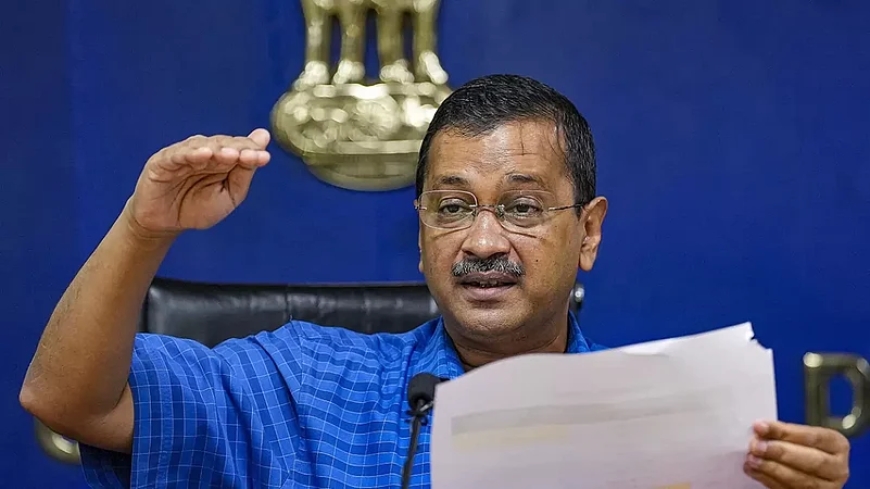
Aam Aadmi Party (AAP) national convenor and former Delhi Chief Minister Arvind Kejriwal has announced that he will march towards Prime Minister Narendra Modi's official residence on Tuesday to protest against the government's promotion of E20 ethanol-blended petrol. Kejriwal claims that the fuel has led to lower vehicle mileage, higher maintenance costs, and growing concerns among consumers. He also plans to submit a petition signed by around 2.5 lakh citizens, demanding that the Centre reconsider its policy on ethanol-blended fuel.
Why Is Kejriwal Protesting Against E20 Fuel?
Speaking at a press conference, Kejriwal said he would leave the AAP headquarters at 12 noon along with around 100 supporters to personally submit the petition to the Prime Minister.
According to him, many vehicle owners have complained that E20 petrol reduces fuel efficiency and may affect older vehicles. He argued that consumers should have the freedom to choose between regular petrol and ethanol-blended fuel instead of being forced to use only E20 at fuel stations.
AAP Demands Consumer Choice
Kejriwal said he had already written to Prime Minister Modi last month requesting a meeting on the issue but had not received any response.
The petition submitted by AAP raises two primary demands:
- Fuel stations should continue offering both regular petrol and E20 petrol so consumers can choose according to their vehicle's compatibility.
- Since ethanol is generally cheaper than petrol, the price of E20 fuel should also be lower for consumers.
According to the party, these measures would help protect consumers while ensuring transparency in fuel pricing.
Allegations Against the Centre
During the press conference, Kejriwal alleged that the government's continued push for ethanol-blended fuel may be linked to international commitments regarding ethanol imports.
He also claimed that citizens, influencers, and content creators who criticise the E20 policy are allegedly being intimidated through online trolling and legal threats.
The Centre has not officially responded to these specific allegations.
BJP Hits Back
The Bharatiya Janata Party (BJP) strongly criticised Kejriwal's announcement.
Delhi BJP President Harsh Malhotra accused the AAP leader of attempting to create unnecessary confrontation and compared the proposed march with recent Opposition protests.
He said Kejriwal was trying to gain political mileage by marching towards the Prime Minister's residence without prior permission and suggested that such actions were intended to create political drama.
Government's Stand on E20 Petrol
The Central Government has consistently defended the rollout of ethanol-blended petrol, saying it offers several long-term benefits.
According to the government, E20 fuel:
- Reduces India's dependence on imported crude oil.
- Helps lower harmful vehicle emissions.
- Supports Indian farmers by increasing ethanol demand from sugarcane and grain producers.
- Saves valuable foreign exchange.
The government maintains that the transition has been introduced gradually and is supported by technical studies.
Concerns Raised by Vehicle Owners
Despite the government's assurances, some consumers continue to express concerns over E20 fuel.
Common issues reported include:
- Reduced mileage in certain vehicles.
- Compatibility concerns for older engines.
- Possible replacement of rubber and fuel system components in older models.
- Higher maintenance costs.
Experts generally advise vehicle owners to follow the recommendations provided by their automobile manufacturers regarding E20 compatibility.
Political Debate Intensifies
The issue of ethanol-blended fuel has now moved beyond a technical and environmental discussion into a political debate.
While the government presents E20 as an important step towards cleaner energy and energy security, opposition parties argue that consumer concerns regarding fuel efficiency, pricing, and vehicle compatibility should be addressed before expanding the programme further.
The proposed march by Kejriwal is expected to bring renewed attention to the ongoing debate over India's ethanol blending policy.
Final Thoughts
Arvind Kejriwal's planned march to Prime Minister Narendra Modi's residence has added a new political dimension to the ongoing discussion around E20 ethanol-blended petrol. As the government continues to promote ethanol blending as part of its clean energy and energy security strategy, opposition leaders are demanding greater transparency, consumer choice, and clarity on its impact on vehicles and fuel costs. Whether the protest leads to policy changes or fresh discussions, the E20 fuel debate is likely to remain a key public issue in the coming weeks.