














What Is Chandipura Virus? Symptoms, Causes, Treatment & Prevention Explained
Chandipura virus cases are rising in India. Learn what Chandipura virus is, how it spreads, symptoms, why children are most at risk, treatment options, and prevention tips.
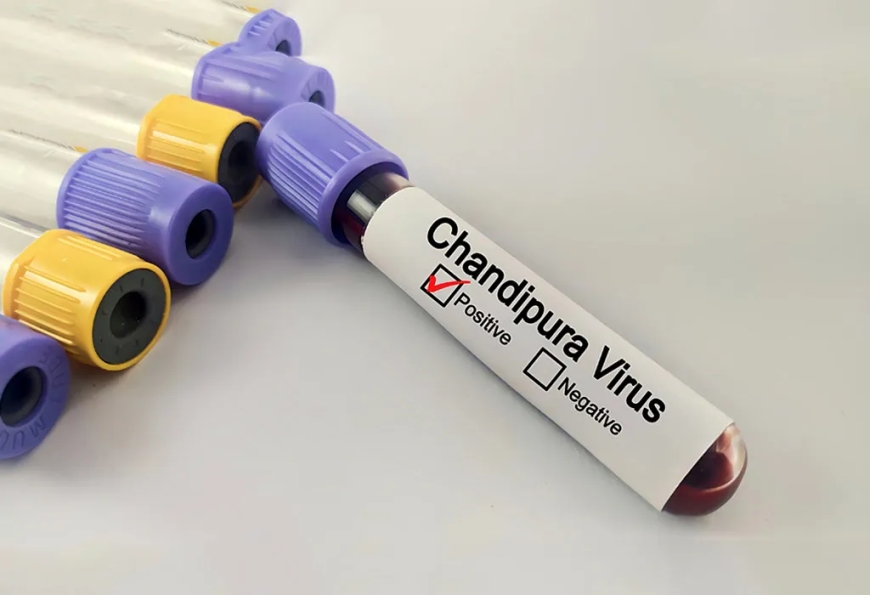
The recent rise in Chandipura virus (CHPV) cases in Gujarat has raised serious concerns among parents and health authorities. According to the state health department, several children have lost their lives, while dozens of suspected cases are under investigation. Since the virus primarily affects children below the age of 15 and can progress rapidly, doctors are urging parents to recognise the warning signs early and seek immediate medical attention.
Although Chandipura virus is not a new disease, outbreaks usually occur during the monsoon season when insect activity increases. Here's everything you need to know about this rare but potentially fatal viral infection.
What Is Chandipura Virus?
Chandipura virus (CHPV) is a virus belonging to the Rhabdoviridae family. It is known to cause Acute Encephalitis Syndrome (AES), a serious condition that leads to inflammation of the brain.
The virus was first identified in 1965 in Chandipura village of Maharashtra, from which it gets its name. Since then, sporadic outbreaks have been reported mainly from western, central, and southern parts of India, particularly during the rainy season.
How Does Chandipura Virus Spread?
Unlike common viral infections, Chandipura virus does not spread directly from one person to another.
The infection is transmitted through the bites of infected insects, including:
- Sandflies
- Mosquitoes
- Ticks
Health experts believe that poor sanitation, stagnant water, unmanaged waste, and unhygienic surroundings create favourable breeding conditions for these insects, increasing the risk of transmission.
Why Are Children More Vulnerable?
One of the most concerning aspects of Chandipura virus is that it primarily affects children below 15 years of age.
Doctors believe children's developing immune systems make them more vulnerable to severe complications. The disease can progress very rapidly, and in some cases, serious neurological symptoms may develop within just 48 to 72 hours after the onset of illness.
Because of this rapid progression, early diagnosis and immediate medical treatment are extremely important.
Early Symptoms of Chandipura Virus
The infection often begins with symptoms that resemble common viral fever.
Initial warning signs include:
- High fever
- Severe headache
- Fatigue
- Body pain
- Muscle aches
- Vomiting
- Weakness
These early symptoms may appear mild initially, but the condition can worsen quickly if left untreated.
Serious Symptoms That Need Immediate Medical Attention
As the infection progresses, patients may develop severe neurological complications.
Danger signs include:
- Convulsions or seizures
- Confusion
- Difficulty breathing
- Persistent vomiting
- Loss of consciousness
- Excessive drowsiness
- Brain inflammation (Encephalitis)
- Coma
Doctors advise parents to take children to the nearest hospital immediately if any neurological symptoms appear along with fever.
Is There Any Treatment for Chandipura Virus?
Currently, there is no specific antiviral medicine or vaccine available for Chandipura virus.
Treatment mainly focuses on supportive medical care, which may include:
- Hospital admission
- Fever management
- IV fluids
- Oxygen support if required
- Management of seizures
- Intensive monitoring
Early hospitalisation significantly improves the chances of recovery by preventing complications.
How Can You Prevent Chandipura Virus?
Since the virus spreads through insect bites, prevention is the most effective protection.
Health experts recommend:
- Using mosquito nets while sleeping.
- Applying insect repellents.
- Wearing full-sleeved clothing, especially during evenings.
- Keeping homes clean and free from stagnant water.
- Proper disposal of household waste.
- Preventing sandflies and mosquitoes from breeding.
- Supporting local insecticide spraying and vector-control programmes.
Parents should also monitor children carefully during the monsoon season if they develop unexplained fever.
Why Does the Virus Become More Common During Monsoon?
Monsoon creates ideal conditions for insects such as sandflies and mosquitoes to multiply rapidly.
Increased humidity, waterlogging, and poor sanitation contribute to higher insect populations, which is why Chandipura virus outbreaks are more frequently reported during the rainy season.
Public health authorities usually intensify surveillance and vector-control measures during this period.
When Should You Visit a Doctor?
Medical experts advise that parents should not ignore fever in children during the monsoon, especially if it is accompanied by:
- Repeated vomiting
- Seizures
- Confusion
- Difficulty waking up
- Unusual drowsiness
- Sudden behavioural changes
Prompt medical evaluation can be life-saving because Chandipura virus can progress rapidly within a short period.
Final Thoughts
Although Chandipura virus remains a relatively rare infection, it can become life-threatening if treatment is delayed. The recent rise in cases highlights the importance of early symptom recognition, timely hospitalisation, and effective mosquito and sandfly control during the monsoon season. While there is currently no vaccine or specific antiviral treatment available, maintaining good hygiene, preventing insect bites, and seeking immediate medical care for children with high fever and neurological symptoms can significantly improve outcomes and help reduce the risk of severe complications.