












UPI New Rules from August 2026: What Changes for Google Pay, PhonePe & Paytm Users?
New UPI rules are now in effect from August 2026. Know what's changing for Google Pay, PhonePe, Paytm and BHIM users, including balance checks, AutoPay, transaction limits, security updates and more.
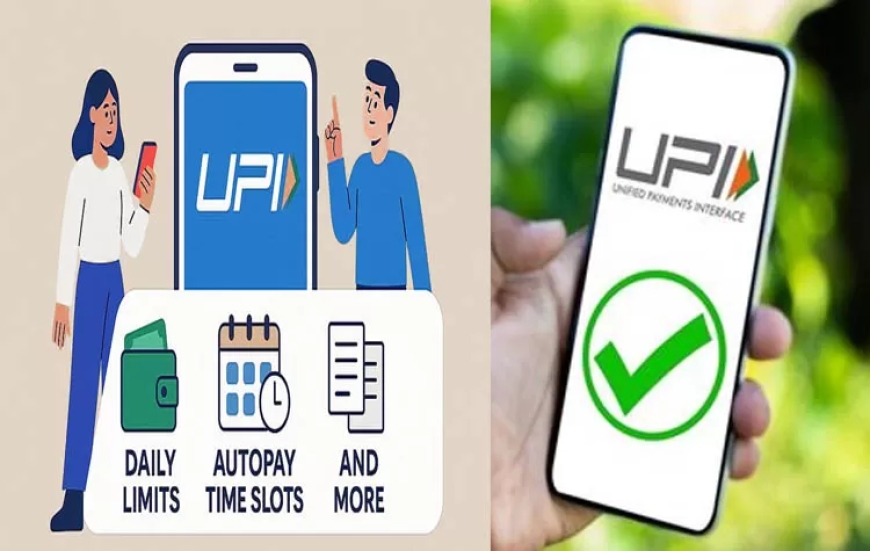
India's Unified Payments Interface (UPI) has transformed the way people make digital payments. With billions of transactions taking place every month, the National Payments Corporation of India (NPCI) regularly updates its guidelines to improve security, reduce system load, and provide a smoother payment experience.
From August 2026, several important UPI-related changes have come into effect that impact users of popular payment apps such as Google Pay, PhonePe, Paytm, BHIM, Amazon Pay, and banking UPI applications. While these changes won't affect your ability to make everyday payments, they introduce new limits and smarter controls aimed at improving overall network performance.
Here's everything you need to know.
Why Have the UPI Rules Changed?
UPI usage has grown rapidly over the past few years, making India one of the world's largest digital payment ecosystems. With millions of users repeatedly checking balances, refreshing transaction statuses, and using AutoPay services simultaneously, the network experiences heavy traffic during peak hours.
To ensure faster processing and greater stability, NPCI has introduced new operational guidelines that payment apps and banks must follow.
1. Limit on Balance Enquiry Requests
One of the biggest changes is related to balance checks.
Users can no longer make unlimited balance enquiries within a short period. Payment apps are now required to limit repeated requests to reduce unnecessary load on banking servers.
For normal users, this change is unlikely to cause inconvenience, but excessive balance refreshes may now be temporarily restricted.
2. Changes to Bank Account Verification
When linking or verifying bank accounts, UPI apps will now follow stricter verification processes.
This aims to reduce failed account linking attempts, improve security, and ensure only genuine bank accounts are connected with UPI IDs.
3. Smarter AutoPay Processing
Users who have subscriptions or recurring payments through UPI AutoPay may notice smoother processing.
Banks and payment platforms have been instructed to optimise recurring payment schedules so that servers are not overloaded during peak hours.
Services such as OTT subscriptions, SIP investments, insurance premiums, loan EMIs, and utility bill payments will continue to function normally.
4. Transaction Status Updates May Be Delayed Slightly
Previously, users often refreshed pending transactions multiple times.
Under the new guidelines, payment apps may limit how frequently transaction status can be checked. This helps reduce duplicate requests reaching banking systems.
If your payment remains pending, the safest approach is to wait instead of repeatedly refreshing the transaction.
5. Stronger Security Measures
NPCI has also asked banks and payment service providers to strengthen fraud detection mechanisms.
The updated system focuses on:
- Faster identification of suspicious transactions.
- Improved risk monitoring.
- Better protection against scams.
- Enhanced account verification.
- Stronger backend security.
These measures aim to make UPI even safer for everyday users.
6. No Change in UPI Transaction Limits
Many users were concerned that transaction limits would change from August.
For most users, there has been no change in the standard daily UPI transaction limits. Existing limits continue to depend on individual banks, merchant categories, and specific payment types.
Large-value transactions remain subject to bank-specific rules.
Will Google Pay, PhonePe & Paytm Continue to Work Normally?
Yes.
Google Pay, PhonePe, Paytm, BHIM, Amazon Pay, and other authorised UPI applications will continue to function normally.
The changes mainly affect how these apps communicate with banking servers behind the scenes. Most users may not even notice any visible difference during daily transactions.
What Should UPI Users Do?
To enjoy uninterrupted digital payments, users should follow a few simple practices:
- Always keep your UPI app updated.
- Avoid repeatedly checking your account balance.
- Don't refresh pending transactions multiple times.
- Never share your UPI PIN with anyone.
- Enable app lock and biometric authentication.
- Verify the recipient before sending money.
- Report suspicious transactions immediately to your bank.
These habits improve both convenience and security.
How Will Businesses Be Affected?
Businesses accepting UPI payments are not expected to face major disruptions.
Recurring collections, merchant payments, QR code transactions, and customer payments will continue as before. However, merchants should ensure their payment applications remain updated with the latest NPCI compliance requirements.
Final Thoughts
The August 2026 UPI updates are designed to strengthen India's rapidly growing digital payments ecosystem rather than restrict users. By introducing smarter controls on balance enquiries, transaction status requests, and backend processing, NPCI aims to improve network stability, enhance security, and deliver faster payment experiences for millions of users. Whether you use Google Pay, PhonePe, Paytm, BHIM, or any other UPI app, your day-to-day transactions will continue as usual, with the added benefit of a more reliable and secure payment system in the long run.