












Why Listening to Students Can Make SEL Better?
Discover how student feedback can improve Social and Emotional Learning (SEL) and help schools create more meaningful, engaging programs.
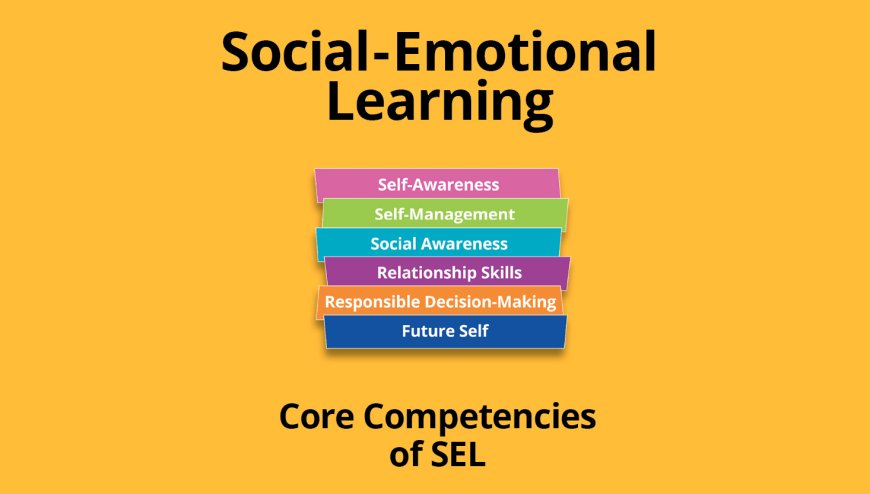
In recent years, social and emotional learning—commonly known as SEL—has gained more attention in schools. Educators agree that students need help not just with academics but also with their emotional well-being, relationships, and decision-making skills. However, in practice, SEL often feels flat and disconnected to the very students it aims to support.
Instead of deeply engaging activities, many students face pre-written lessons and surface-level check-ins that do little to reflect their personal experiences. This gap has led to one big question: How can schools build SEL programs not just for students, but with them?
Here are 10 key ways schools can make SEL more meaningful by actively including student voices in the process.
1. Ask Students What Topics They Care About
SEL programs often miss the mark because they don’t ask students what they truly need. Schools should begin by conducting surveys or open discussions where students can express what emotional and social challenges they’re facing.
2. Build Student SEL Committees
Schools can create small student-led advisory groups that meet regularly to review existing SEL sessions and offer new ideas. These groups can help shape content so it stays relevant and age-appropriate.
3. Encourage Student-Led Sessions
Older or more confident students can take the lead by planning and facilitating sessions on stress management, digital balance, or friendship. Peer-to-peer learning adds a layer of authenticity that scripted lessons often lack.
4. Make SEL Sessions Interactive, Not Scripted
Many students lose interest when lessons feel like a lecture. Adding activities like storytelling, group games, role plays, or open talks can make SEL time more engaging and memorable.
5. Acknowledge Teacher Strengths and Interests
Not all teachers are comfortable leading SEL lessons the same way. Some may prefer creative arts or practical life skills like budgeting or time planning. Schools should give educators the freedom to use their strengths to support emotional learning.
6. Focus on Real-Life Skills That Matter
Instead of sticking to textbook definitions of empathy or resilience, SEL should include practical topics students deal with daily—like social pressure, family stress, or time on screens.
7. Use Mentorship as a Learning Tool
High school students often want to give back. By allowing them to mentor younger students, schools can promote leadership while building a supportive learning environment.
8. Allow Space for Honest Conversations
Students are more likely to open up when they feel safe. Teachers should be trained to handle sensitive topics and create trust-based spaces, instead of just following a checklist.
9. Add Feedback Loops After Every Session
After each SEL session, a quick feedback form or reflection exercise can show what worked and what didn’t. This helps teachers improve future sessions and make sure students feel heard.
10. Treat SEL as a Living, Evolving Program
Students change year to year, and so should SEL. Schools must regularly review and update their approach based on student feedback, cultural shifts, and current emotional needs.
Conclusion
Creating strong social and emotional learning doesn’t have to be complicated, but it does require a change in mindset. Students aren’t just participants—they’re experts of their own experiences. When schools take time to listen, they don’t just improve SEL—they build real trust, real growth, and real community.