












What Is China’s 996 Rule? Why Narayana Murthy’s 72-Hour Work Week Comment Sparked Debate
Infosys founder Narayana Murthy referenced China’s 996 work rule while suggesting a 72-hour week. Here’s what 996 means and why it was banned.

In today’s world, work-life balance has become one of the biggest global conversations. Across countries, employees are trying to strike a balance between their jobs, health, family time, and personal goals. But every now and then, statements from powerful business leaders reignite the controversy around long working hours.
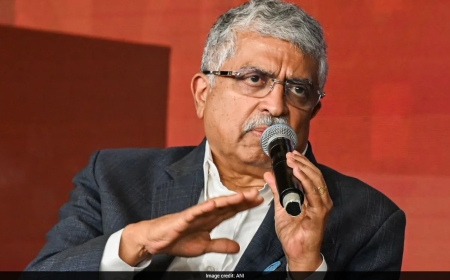
This time, Infosys founder Narayana Murthy is at the centre of debate again—after referring to China’s “996 rule” while defending his earlier comment that Indians should work 72 hours a week to boost national productivity.
His fresh remarks have gone viral, raising questions about what exactly the 996 rule means and why it became so controversial in China. Here is a clear and detailed explainer.
Murthy’s 72-Hour Week Comment Resurfaces
In a recent interview, Narayana Murthy was asked about his previous statement suggesting that young Indians should work 72 hours a week. Responding to criticism, he referenced China’s famous “996” work culture:
“In China, there is a saying — 9, 9, 6… Meaning 9 am to 9 pm, 6 days a week. That is 72 hours a week,” Murthy said.
He explained that many Chinese companies operated at this pace for years, pushing their workforce to contribute longer hours as part of national growth.
His remark immediately triggered intense debate on social media, with some supporting discipline and hard work, and others questioning whether such a schedule is healthy or even ethical.
What Exactly Is China’s 996 Rule?
The 996 work culture became popular in China’s tech and start-up industry around the late 2010s. The idea was simple but extremely demanding:
**✔ Work from 9:00 AM to 9:00 PM
✔ For 6 days a week
✔ Total = 72 hours per week**
Big tech names—including Alibaba’s Jack Ma—once called it a “blessing” for young workers who wanted to succeed quickly.
However, behind the fast growth and booming tech output, the reality for workers was harsh.
Why the 996 System Became Controversial
While companies celebrated 996 for productivity, employees started reporting:
-
Chronic burnout
-
Mental fatigue
-
Health problems
-
No family or personal time
-
Increased workplace accidents
-
Cases of workers collapsing due to overwork
Social media outrage in China grew rapidly, with many calling the system “slavery in the name of ambition.”
Several protests were launched, especially on GitHub, where workers created a “996.ICU” movement—suggesting that such long hours could land them in the intensive care unit.
China Eventually Banned the 996 Work Model
By 2021, Chinese courts ruled that the 996 schedule was illegal under the country’s labour laws. The government publicly supported the ruling, forcing companies to drop the practice.
Today, China’s labour laws clearly define working hour limits.
How Many Hours Can a Worker Legally Work in China Now?
China’s labour regulations state:
✔ Maximum 44 hours a week
(around 8 hours a day)
✔ Only 1 hour of overtime allowed per day
However, if the employee is healthy and willing, they may do:
**✔ Up to 3 hours of overtime per day
✔ But not more than 36 overtime hours per month**
This law was introduced to protect workers from the exploitation that 996 created.
Why Narayana Murthy Mentioned the 996 Rule
Murthy has consistently argued that India needs higher productivity and discipline to compete globally—particularly with nations like China. He used the 996 example to highlight how other countries pushed themselves during growth years.
However, critics argue that China itself scrapped 996 due to health and safety concerns, and that long hours don’t always guarantee better output. Productivity, they say, must come from technology, training, and modern workplace systems—not exhausting workweeks.
The Larger Question: Is a 72-Hour Week Practical Today?
Murthy’s comments have revived broader questions:
-
Should developing countries demand longer hours for faster growth?
-
What is more important — output or employee well-being?
-
Can productivity improve without sacrificing mental health?
-
Are younger professionals willing to adopt a 996-style routine?
Work-life balance has become a priority worldwide, especially after the pandemic, making the debate even more relevant today.