













Total Lunar Eclipse 2026: Date, Time and Chandra Grahan Visibility in India
Total Lunar Eclipse on March 3, 2026: Check Chandra Grahan timings, Sutak Kaal and visibility details in India.
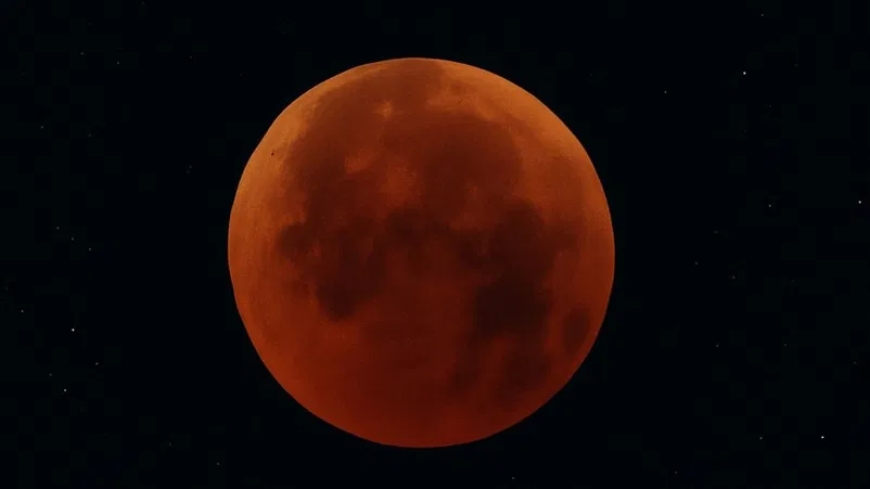
Skywatchers are in for a spectacular celestial event as a Total Lunar Eclipse will occur on March 3, 2026. Also known as Chandra Grahan, this will be the first total lunar eclipse of the year. Astronomers and stargazers are eagerly waiting to witness the Moon turn reddish as it passes through Earth’s shadow. The big question many are asking is — will it be visible in India? Here is everything you need to know about the date, timing, visibility, and Sutak Kaal.
1. Date and Timing of Lunar Eclipse 2026
The Total Lunar Eclipse will take place on March 3, 2026.
Key Timings (IST):
-
Eclipse Begins: 03:20 PM
-
Maximum Eclipse: 06:33 PM to 06:40 PM
-
Eclipse Ends: 06:47 PM
-
Moonrise in India: 06:26 PM
2. Will the Lunar Eclipse Be Visible in India?
Yes, the Total Lunar Eclipse will be visible in India. However, only the final phase of the eclipse will be visible after moonrise. Since the Moon rises at around 6:26 PM, viewers will get roughly 20 minutes to witness the maximum phase before the eclipse ends.
3. What Makes This Eclipse Special?
A total lunar eclipse happens when Earth comes directly between the Sun and the Moon, casting a shadow on the Moon. During totality, the Moon appears reddish, often called a “Blood Moon.” This rare alignment makes the event exciting for both astronomy enthusiasts and photographers.
4. Visibility in Other Countries
The eclipse will not be limited to India. It will also be visible in several other parts of the world, including:
-
Pakistan
-
Afghanistan
-
Iran
-
Iraq
-
Australia
-
New Zealand
-
Russia
-
North America
-
South America
-
Antarctica
-
Most of Asia
This wide visibility makes it a globally observed astronomical event.
5. Sutak Kaal Timings in India
Since the eclipse will be visible in India, Sutak Kaal will be observed. Sutak Kaal is considered an inauspicious period in Hindu traditions.
Sutak Kaal Begins: 06:23 AM on March 3, 2026
During this period, many people avoid religious ceremonies and temple visits.
6. Will the Eclipse Impact Holi Celebrations?
As the eclipse falls close to the time of Holi festivities, some people may adjust religious rituals or celebrations accordingly. Traditionally, Sutak Kaal can influence temple activities and religious observances.
7. Is It Safe to Watch the Lunar Eclipse?
Unlike a solar eclipse, a lunar eclipse is completely safe to watch with the naked eye. No special protective glasses are required. You can safely observe the Moon as it changes colour.
8. Best Way to Watch the Eclipse
To enjoy the eclipse fully:
-
Choose a location with a clear view of the eastern horizon.
-
Ensure minimal light pollution.
-
Use binoculars or a telescope for a closer view of lunar details.
-
Photography enthusiasts can capture the moment using DSLR or mirrorless cameras with tripod support.
9. Scientific Importance of Lunar Eclipses
Lunar eclipses help scientists study Earth’s atmosphere. The reddish colour of the Moon occurs because sunlight passes through Earth’s atmosphere and bends toward the Moon, filtering out blue light. Observing this effect gives insights into atmospheric conditions.
10. A Rare Treat for Skywatchers
Since only the final phase will be visible in India, timing will be crucial. Missing the moonrise could mean missing the most dramatic part of the eclipse. For astronomy lovers, this short window makes the event even more special.
Conclusion
The Total Lunar Eclipse on March 3, 2026, offers a rare and beautiful celestial display for viewers in India and around the world. While only the final phase will be visible after moonrise in India, it remains a significant astronomical event. With proper timing and clear skies, skywatchers can witness the Moon glow in shades of red — a moment worth waiting for.