







Supreme Court on Fake Colleges: How to Verify a University in India
The Supreme Court has directed UGC and regulators to issue public advisories against fake institutions. Learn how students can verify colleges before admission.
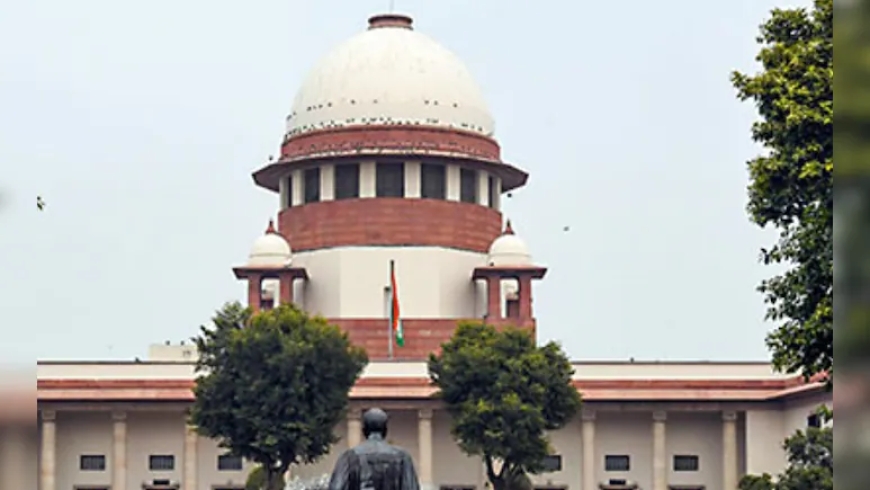
The Supreme Court of India has directed the University Grants Commission (UGC) and other regulatory authorities to issue public advisories warning students and the general public against fake educational institutions. The direction follows a case involving a suspected fake medical college in Uttar Pradesh’s Etah district, highlighting the risks students face when enrolling in institutions that may lack the necessary recognition or approvals.
The court’s direction is aimed at encouraging students, parents and other stakeholders to verify an institution’s authenticity before taking admission or dealing with it. The case has also brought renewed attention to the importance of checking university recognition, professional approvals and the validity of academic qualifications.
For students planning to pursue medical, nursing, pharmacy, management or other higher education courses, the message is clear: do not rely only on advertisements, websites or promises of a degree. Verify the institution and the specific course before paying fees.
1. What Did the Supreme Court Say About Fake Colleges?
The Supreme Court directed the UGC and relevant regulatory authorities to issue public advisories cautioning people against institutions whose authenticity has not been verified.
The direction followed a suggestion made during court proceedings that the public should be advised not to take admission to, or deal with, institutions without first checking whether they are genuine.
The court considered the suggestion useful and directed the UGC and regulatory bodies to act accordingly. It also directed the Centre to communicate the order to the relevant regulators and monitor compliance.
The proceedings arose in the context of a wider matter involving the scrutiny and auditing of private universities. The latest direction highlights the need for stronger public awareness and verification before students commit their time and money to an educational institution.
2. Fake Medical College Case in Uttar Pradesh
The issue came into focus after a suspected fake medical college, identified in reports as BS Medical College, was found operating from a dilapidated farmhouse in Etah district, Uttar Pradesh.
According to details placed before the court, the institution allegedly offered courses in areas including pharmacy, nursing and other health-related fields despite operating from a small and poorly maintained structure.
The court was informed that police had taken action against individuals allegedly connected with the institution and that an independent inquiry had been ordered by the Uttar Pradesh government.
The matter raised concerns about how an institution can advertise professional courses and attract students without the infrastructure, faculty or approvals expected of a legitimate educational provider.
The allegations and investigation should be distinguished from a final judicial finding on every individual’s responsibility. However, the case demonstrates why students should independently verify institutions before enrolling.
3. Why Are Fake Colleges Dangerous for Students?
Admission to an unrecognised institution can cause serious academic and financial problems.
Students may spend several years studying a course only to discover that the institution is not authorised to award the promised qualification. In some cases, a degree may not be accepted for further education, government recruitment, professional registration or employment.
Common risks include:
-
Invalid qualifications: A degree or diploma may not be recognised for the intended purpose.
-
Financial loss: Admission fees, tuition charges, accommodation costs and other expenses may be difficult to recover.
-
Wasted academic years: Students may need to restart their education at a recognised institution.
-
Employment problems: Employers or professional bodies may reject qualifications that do not meet their requirements.
-
Professional licensing issues: Courses such as medicine, nursing and pharmacy can require specific approvals and registration pathways.
-
Misleading advertisements: Some institutions may use impressive claims, facilities or affiliations that are difficult to verify.
Parents and students should therefore check the legal status of an institution before making a payment, particularly when an offer promises guaranteed admission, a quick degree or unusually easy qualifications.
4. How to Check Whether a University Is Genuine in India
Students can reduce the risk of admission fraud by following a few verification steps before completing the admission process.
Step 1: Check the UGC University List
The University Grants Commission maintains information about recognised universities and publishes a list of institutions identified as fake universities.
Students should check whether the university appears in the appropriate official list and whether its legal status matches the claim made in its advertisements.
An institution’s absence from a list of fake universities does not automatically establish that every course it offers is recognised. Further checks may be necessary.
Step 2: Verify the Exact Course
Recognition of a university and approval of a particular course are not always the same thing.
Some professional programmes require approval, recognition or compliance with standards set by the relevant statutory regulator. Students should check the requirements for their specific course and the institution’s authority to offer it.
For example, a student planning to study medicine, nursing, pharmacy, law or another regulated profession should verify the applicable professional requirements rather than relying only on a university’s name.
Step 3: Check the Campus and Affiliation
If a college claims affiliation with a recognised university, verify that relationship through official records.
Students should confirm the exact campus, programme, academic session and mode of study. A college’s claim that it is associated with a well-known university should not be accepted without confirmation.
Step 4: Be Careful With Online and Distance-Learning Courses
Online and distance-learning programmes may have separate eligibility and entitlement requirements.
Before enrolling, students should verify whether the institution and the particular programme are authorised to offer the course in the relevant academic session and mode.
A partnership or franchise arrangement advertised by an agent does not, by itself, establish that the qualification will be recognised.
Step 5: Ask for Written Documentation
Before paying fees, request the institution’s official recognition, affiliation and course-approval details where applicable.
Check the name of the awarding university, the campus address, the course title and the academic session. Be cautious if the institution avoids answering questions or pressures you to pay immediately.
Step 6: Verify Before Paying the Admission Fee
Do not rely solely on a social media advertisement, a promotional video, a counsellor’s verbal assurance or a logo displayed on a website.
Use official regulatory records and written confirmation wherever possible. Keep copies of the admission offer, fee receipt, prospectus and any claims made about recognition.
5. What Is the Difference Between a Fake University and an Unapproved College?
The terms are related but should not be treated as identical.
A fake university may be an institution that presents itself as a university or claims powers it does not legally possess. The UGC publishes a list of institutions identified as fake universities.
An unapproved or unrecognised college or programme may involve a different situation. A college could claim affiliation with a university without having valid affiliation for a particular course, campus or academic session. A professional programme may also lack the approval or recognition required by the relevant regulator.
Students should therefore verify both the institution and the specific course. Checking only the name of a university may not be sufficient to establish that a particular qualification is valid for the student’s intended purpose.
6. What Should Students Do If They Suspect an Institution Is Fake?
Students who suspect that an institution is misrepresenting its recognition should avoid making further payments until they have verified the claims.
They should preserve relevant documents, including admission forms, payment receipts, advertisements, messages and any written promises made by the institution.
The next steps may include contacting the relevant education regulator, the university that the college claims to be affiliated with, the state’s higher education department or the appropriate professional regulator.
If the matter involves suspected financial fraud, students may also consider reporting it to the appropriate law-enforcement authority. The correct reporting channel depends on the nature of the allegation and the available evidence.
Students should avoid making public accusations without adequate evidence. A formal complaint supported by documents is generally more useful than relying only on social media posts.
7. What Does the Supreme Court’s Direction Mean for UGC and Regulators?
The direction calls for public advisories that help people avoid institutions whose authenticity has not been verified. It also places emphasis on coordination between the UGC, professional regulators and government authorities.
The case forms part of a wider judicial examination of private universities, including questions about their finances, admission procedures, recruitment practices and academic standards.
The court has sought information from regulatory authorities and universities as part of that broader process. The latest direction specifically highlights the importance of informing the public about the risks associated with fake institutions.
The impact of the advisory will depend on how effectively the relevant bodies communicate the warnings, maintain updated information and act on complaints involving suspected unauthorised institutions.
8. A Student Admission Checklist: Check These Points Before Enrolling
Before accepting an offer from a university or college, students and parents should confirm the following:
-
The institution’s legal status and recognition.
-
The exact course and the authority to offer it.
-
The college’s affiliation, where applicable.
-
Professional approval or registration requirements for regulated courses.
-
The validity of online or distance-learning programmes.
-
The campus address and actual teaching facilities.
-
The faculty, laboratories and clinical or practical training arrangements where relevant.
-
The complete fee structure and refund policy.
-
The identity of the degree-awarding institution.
-
The institution’s claims against official records.
A few minutes spent checking these details can help students avoid expensive and potentially life-changing mistakes.
Final Thoughts
The Supreme Court’s direction to the UGC and other regulatory authorities to issue public advisories against fake educational institutions is an important reminder for students and parents across India.
The case involving a suspected fake medical college in Etah has highlighted the need for careful scrutiny of institutions offering professional qualifications. A convincing advertisement, an impressive website or a promise of quick admission is not proof that a university or course is genuine.
Before enrolling, students should verify the institution’s recognition, confirm the status of the exact programme and check any professional approvals required. They should also keep written records and avoid making payments under pressure.
Choosing a recognised institution is not simply an administrative formality. It is an important step towards protecting a student’s money, time, qualifications and future career.
Frequently Asked Questions (FAQs)
1. Why has the Supreme Court directed the UGC to issue advisories about fake colleges?
The Supreme Court issued the direction after a suspected fake medical college case in Uttar Pradesh’s Etah district was brought to its attention. The court directed the UGC and relevant regulators to warn the public and encourage verification before admission.
2. How can I check whether a university is genuine in India?
Check the UGC’s official university information and fake-university list. Also verify the institution’s legal status, the exact course, the relevant academic session and any professional approval required.
3. Does UGC recognition automatically mean every course is approved?
No. Students may need to check additional course-specific, campus-specific or professional regulatory requirements, depending on the programme.
4. What is a fake university?
A fake university is an institution that presents itself as a university or claims authority it does not legally possess. Students should check official regulatory records before enrolling.
5. Can a college be affiliated with a genuine university but still have an issue?
Yes. Students should confirm the specific college’s affiliation and whether the exact programme is authorised for the relevant academic session.
6. What should I do if I have already taken admission to a suspected fake institution?
Preserve your admission documents and payment receipts. Verify the institution’s status with the relevant regulator and seek guidance from the appropriate education authority or legal professional about possible next steps.
7. Are online and distance-learning degrees always valid?
No. Recognition depends on the institution, programme, mode of delivery and applicable rules. Students should check the relevant official records before enrolling.
8. What should parents check before paying college fees?
Parents should verify the institution, course recognition, affiliation, professional approvals where applicable, fee structure, refund policy and identity of the degree-awarding body before making payment.