










Solar Eclipse in Lincolnshire 2026: When to See It
People in Lincolnshire can see a major partial solar eclipse on August 12. Here's the expected timing, visibility and important eye safety advice.
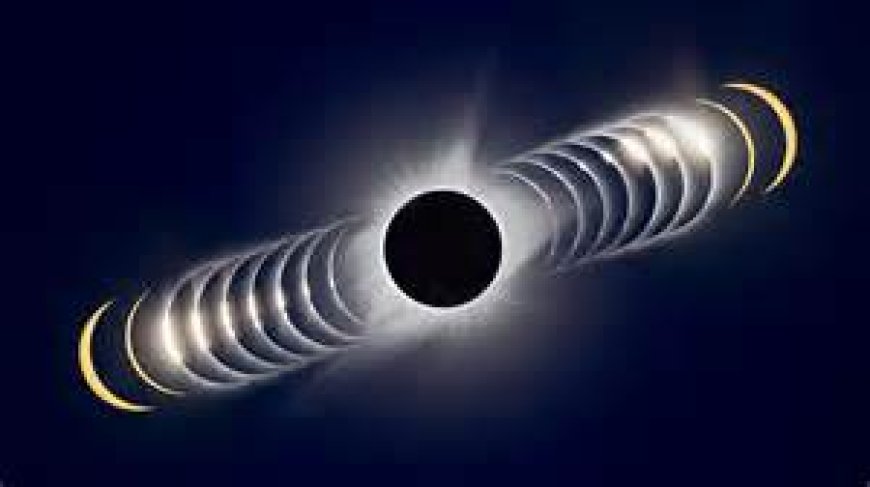
Skywatchers in Lincolnshire are getting ready for a rare astronomical event on Wednesday, August 12, 2026, when a major partial solar eclipse will be visible across the UK.
The Moon will pass in front of the Sun, covering a large part of its disk. In Lincolnshire, the eclipse will take place during the evening, making the event especially interesting as the Sun gets closer to the horizon. Across England, the eclipse will be partial rather than total.
When Can You See the Solar Eclipse in Lincolnshire?
The exact timing varies slightly depending on where you are in Lincolnshire.
For much of England, the eclipse begins shortly after 6pm BST, reaches its maximum at around 7.10pm, and finishes shortly after 8pm. Timeanddate lists the partial eclipse across England from 6:09pm to 8:10pm BST.
The Royal Observatory Greenwich also says the eclipse will happen while the Sun is setting, so viewers will need a clear view towards the western horizon.
Approximate viewing window
- Start: Around 6:10pm BST
- Maximum eclipse: Around 7:10pm BST
- End: Around 8:05–8:10pm BST
The exact time and amount of the Sun covered will depend on your location.
How Much of the Sun Will Be Covered?
This will be a partial solar eclipse in Lincolnshire, meaning the Moon will cover most, but not all, of the Sun.
Across England, the amount of coverage varies by location. The further south-west you travel, the greater the percentage of the Sun that will be covered. The Royal Observatory says London will see about 90% coverage, while Cornwall could see around 95%.
Lincolnshire sits further north-east, so the coverage will be lower than in the UK's south-western areas. Even so, a large portion of the Sun will be obscured, making it a notable event for observers.
Where Is the Best Place to Watch in Lincolnshire?
You do not need to travel to a special observatory to see the eclipse.
The most important thing is finding a location with a wide, unobstructed view towards the west. This is particularly important because the Sun will be relatively low in the sky as the eclipse progresses.
Open fields, elevated locations and areas away from tall buildings and trees can provide a better view.
If you are planning to watch from Lincoln, Boston, Skegness, Grantham or another part of the county, check your exact location beforehand and make sure trees or buildings will not block the western horizon.
Why Is This Eclipse Special?
The August 12 eclipse is attracting attention because it is one of the deepest partial solar eclipses visible from Britain in decades.
The event will not turn daytime into complete darkness in Lincolnshire because the area is outside the path of totality. However, with much of the Sun covered, the daylight could become noticeably dimmer.
The Royal Observatory notes that the eclipse will take place close to sunset, adding another visual element to the event.
How to Watch the Solar Eclipse Safely
Looking directly at the Sun can seriously damage your eyes, even when most of the Sun is covered.
Regular sunglasses are not safe for viewing a solar eclipse. Skywatchers should use proper solar-viewing glasses or filters that meet the required safety standards.
Never look directly at the Sun through an ordinary camera, telescope or binoculars without a suitable solar filter.
If you cannot get proper eye protection, indirect viewing methods such as a simple pinhole projection are safer options.
What If the Weather Is Cloudy?
The biggest challenge for viewers in Lincolnshire could be the weather.
Clouds can block the eclipse even when the astronomical conditions are perfect. Since the event happens close to sunset, having an unobstructed western view becomes even more important.
Checking the local weather forecast before heading out can help you choose the best viewing location.
Can You See the Total Eclipse From Lincolnshire?
No. Lincolnshire will experience a partial solar eclipse, not totality.
The total phase of the August 12 eclipse will be visible along a narrow path elsewhere, while the UK will see only a partial eclipse. Timeanddate confirms that totality is not visible from England.
Solar Eclipse 2026: What Viewers Should Remember
The best way to enjoy the event is to prepare before the eclipse begins.
Find a location with a clear western horizon, arrive early and carry certified solar viewing protection. Because the eclipse will happen around sunset, the viewing conditions can change quickly.
For people in Lincolnshire, around 7.10pm should be the key moment to watch as the eclipse reaches its maximum.
Final Words
The solar eclipse in Lincolnshire on August 12, 2026, will be a major skywatching event. The partial eclipse is expected to begin around 6.10pm, reach its maximum at roughly 7.10pm and end around 8.05–8.10pm, depending on your exact location.
The best viewing spot will be somewhere with a clear view of the western sky. Most importantly, never look directly at the Sun without proper solar eye protection.
FAQs
When is the solar eclipse in Lincolnshire?
The partial solar eclipse will take place on Wednesday, August 12, 2026, during the evening. In England, it begins around 6:09pm and ends around 8:10pm BST.
What time will the eclipse peak in Lincolnshire?
The maximum is expected to be around 7.10pm BST, although the exact time varies by location.
Is the solar eclipse total in Lincolnshire?
No. It will be a partial solar eclipse in Lincolnshire and across England.
Where should I watch the eclipse?
Choose an open location with a clear view of the western horizon, as the Sun will be low in the sky during the event.
Can I watch the eclipse with normal sunglasses?
No. Normal sunglasses do not provide enough protection. Use proper solar eclipse glasses or a certified solar filter.
Will the solar eclipse be visible from all of the UK?
Yes, a partial eclipse will be visible across the UK, although the amount of the Sun covered varies by location.