









Indian Railways Ticket Checking Drive From October 1: New Rules & ₹500 Fine
Indian Railways will intensify ticket checking from October 1 to 31, 2026. Know the original ID rule, ticketless travel penalty, concession checks and important passenger guidelines.
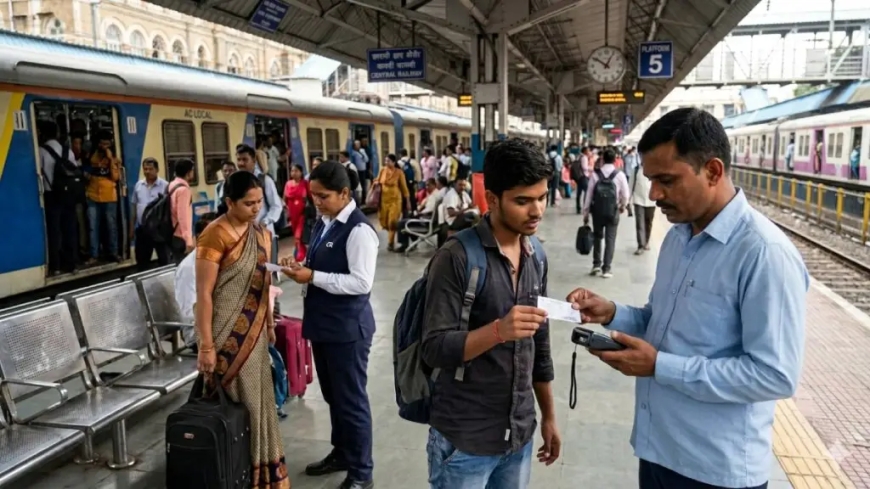
Indian Railways is preparing for an intensified ticket-checking campaign from October 1 to October 31, 2026, ahead of the festive travel season.
The campaign will focus on checking the validity and authenticity of railway tickets and identifying cases of ticketless or irregular travel. According to reports, Central Railway will conduct the month-long drive with particular attention to concession tickets, specified reservation quotas and different types of railway passes.
For passengers, one of the most important messages from the campaign is simple: carry your valid ticket and the required original identification document while travelling.
‘One Ticket, One Original ID’ Rule
Passengers travelling on certain categories of tickets will need to carry the prescribed original ID proof matching the details associated with their ticket.
This requirement is particularly important for passengers travelling on concession tickets, specified quotas and railway passes. Officials are also expected to check supporting eligibility documents where applicable.
Passengers should therefore avoid relying only on photographs or photocopies of required documents when the original document is prescribed.
Who Needs to Be More Careful?
The intensified checking will particularly affect passengers using special categories of railway tickets.
These include:
- Passengers travelling on concession tickets
- Passengers using specified reservation quotas
- Railway pass holders
- Passengers travelling with E-Pass
- PTO (Privilege Ticket Order) users
- Passengers travelling on unreserved tickets
- Passengers carrying unbooked or irregular luggage
The exact documentation requirement can depend on the type of ticket and concession being used.
Ticketless Travel Fine Has Increased
Another major point for passengers is the revised minimum penalty for travelling without a valid ticket.
The minimum penalty has increased from ₹250 to ₹500 under changes associated with the Jan Vishwas Act, 2026. Reports on the October campaign say the higher penalty will be part of the stronger enforcement approach.
This means passengers who take the risk of travelling without a valid ticket could face a significantly higher financial penalty than under the earlier minimum amount.
Why Railways Is Intensifying Checks
The campaign comes ahead of the festive season, when railway passenger traffic traditionally increases.
Railways is also attempting to reduce revenue leakage caused by ticketless and irregular travel.
Central Railway's figures demonstrate the scale of the issue. Between April and August 2026, Central Railway reportedly detected around 18.03 lakh ticketless or irregular travel cases and recovered approximately ₹140.81 crore in penalties.
The figures show why ticket checking remains an important part of railway revenue protection.
Unreserved Tickets Will Also Face Closer Checking
The campaign is not limited to reserved passengers.
Reports indicate that unreserved travel will also receive greater attention, with railway staff using tools such as the TTE App during checking operations.
Passengers travelling in general or unreserved compartments should therefore make sure they have a valid ticket before boarding.
A passenger should not assume that a crowded train or an unreserved compartment means ticket checking will be less strict.
What About Group Bookings?
Passengers travelling as part of a group booking should also pay attention to identification requirements.
According to reports, where an original ID is required for a group booking, at least one passenger in the group must carry the original identification document as prescribed under the applicable railway rules.
Travellers should check their booking details and applicable documentation before beginning their journey rather than waiting until a ticket examiner asks for it.
Special Checks Are Already Taking Place
The October campaign follows a series of intensified ticket-checking operations across different railway zones.
South Central Railway, for example, reported 46,156 ticketless-travel cases during a 15-day special drive conducted from September 7 to September 21, with fines of around ₹3.56 crore collected. The drive also covered irregular travel, misuse of concessions and unbooked luggage.
Similarly, railway divisions in northern India have been conducting fortress and other intensive checking operations.
In Punjab, the Ferozepur Division has also conducted special checking drives. At Jalandhar City railway station in August, 494 passengers were caught travelling without tickets or with irregular tickets, resulting in approximately ₹4.17 lakh being recovered.
What Passengers Should Carry
With the campaign beginning October 1, passengers can take a few simple precautions before travelling.
Carry your valid railway ticket: Make sure the ticket details are correct before boarding.
Carry the required original ID: If your ticket category requires identification, carry the prescribed original document.
Carry concession documents: Passengers travelling under a concession should carry the relevant supporting documents.
Check your reservation details: Make sure the passenger name and other booking information are correct.
Do not board without a valid ticket: Buying a ticket after boarding should not be treated as a substitute for having the required ticket before travel.
Keep luggage properly booked: Unbooked luggage can also attract action during checking drives.
Festive Season Travel Could Bring More Checks
October is expected to see increased railway movement because of the festive calendar.
With passenger demand rising around major festivals, railway authorities are increasing enforcement to prevent ticketless travel, ticket misuse and other irregularities.
The October 1–31 campaign therefore comes at a time when large numbers of passengers are expected to travel across railway networks.
For passengers, the safest approach is straightforward: book the correct ticket, carry the required original documents and follow railway travel rules.
Indian Railways Ticket Checking Drive: Key Details
| Detail | Information |
|---|---|
| Campaign | Special Ticket Checking Drive |
| Start Date | October 1, 2026 |
| End Date | October 31, 2026 |
| Main Focus | Ticket validity and irregular travel |
| Special Attention | Concessions, quotas, passes and unreserved travel |
| Important Document | Prescribed original ID |
| Minimum Ticketless Penalty | ₹500 |
| Reason | Curb ticketless travel and revenue leakage |
The campaign details reported for October specifically concern intensified checking by Central Railway, rather than a claim that every railway zone will operate identically. Passengers should therefore follow the requirements applicable to their particular ticket and journey.
Final Thoughts
The Indian Railways ticket-checking campaign from October 1 to October 31, 2026 is an important alert for passengers travelling during the upcoming festive season.
The biggest takeaway is the increased emphasis on valid tickets and original identification documents, particularly for passengers using concessions, specified quotas, railway passes, E-Pass and PTO facilities.
With the minimum ticketless-travel penalty now reported at ₹500, passengers should avoid taking unnecessary risks.
Before boarding your train, check your ticket, carry the required original ID and make sure any concession or special travel documentation is in order.
FAQs
When does the Indian Railways special ticket-checking drive start?
The intensified campaign is scheduled to begin on October 1, 2026.
How long will the campaign continue?
The reported campaign period is October 1 to October 31, 2026.
Is original ID required with a railway ticket?
For certain ticket categories, including specified concessions, quotas and passes, passengers are required to carry the prescribed original ID.
What is the minimum penalty for ticketless travel?
The minimum penalty has been raised from ₹250 to ₹500, according to current reports.
Will unreserved passengers also be checked?
Yes. Reports indicate that the intensified campaign will also include closer checking of unreserved travel.
Why is Railways conducting the campaign?
The drive is intended to improve ticket compliance, curb irregular travel and reduce revenue leakage, particularly ahead of the festive season.