












How India’s Gen-Z is Shaping the Future of Technology
India’s Gen-Z is redefining tech innovation by building startups, contributing early, and transforming education with hands-on, real-world learning.
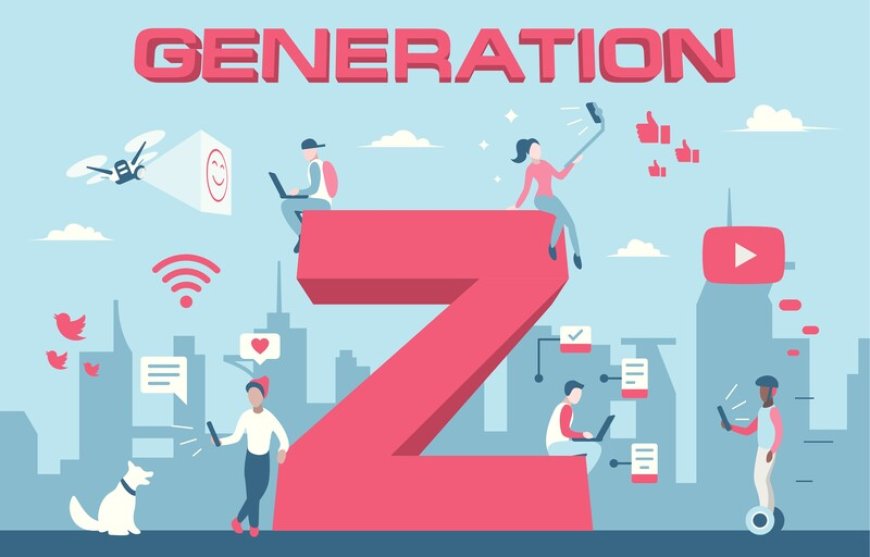
India is witnessing a revolution in the world of technology, and leading this change is Generation-Z—young Indians born between the late 1990s and early 2010s. Unlike previous generations, Gen-Z is not waiting for degrees or jobs; they are building products, launching startups, and embracing innovation from the start of their college years. Fueled by curiosity, easy access to modern tools, and a mindset that celebrates experimentation, these young innovators are reshaping the country’s future. Rahul Attuluri, Co-Founder and CEO of NxtWave, explains how Gen-Z is changing the rules of the game in India’s tech industry.
1. Gen-Z is Building Before Graduation
Today’s youth are not waiting to finish college before trying out their ideas. Many Gen-Z students start projects and startups during their first year. They see college as a playground to experiment with new technology.
2. Early Exposure to Open-Source Projects
Gen-Z in India is contributing to open-source projects on platforms like GitHub. This hands-on experience helps them learn faster and collaborate with global developers, giving them a head start in real-world skills.
3. Digital Natives with a Global Mindset
Growing up in a world of smartphones and social media, Gen-Z is comfortable using new technologies. They are also aware of global trends and standards, which helps them think beyond local boundaries.
4. Platforms Make Learning and Building Easier
With YouTube, Discord, and online coding communities, Gen-Z can find instant guidance. They don’t need to rely only on traditional classrooms—they learn and build in parallel.
5. Easy Access to Advanced Tools
Modern APIs and tools, once available only to big companies, are now accessible to everyone. This lowers the entry barrier for young innovators to create advanced products from their dorm rooms.
6. No-Code and Low-Code Platforms Empower Creativity
Platforms like Make.com and LangChain allow students to create apps and automate processes without deep programming knowledge, accelerating their journey from ideas to real products.
7. A Culture That Celebrates Entrepreneurship
Entrepreneurship is no longer seen as risky or only for experienced professionals. Many students today see launching a startup as their first step after school or even during college.
8. Real-World Learning Through Projects
Rahul Attuluri emphasizes that education should be project-based and outcome-driven. Gen-Z prefers learning by solving real problems instead of memorizing theory, which keeps them engaged and motivated.
9. Tangible Success Stories from First-Year Students
At institutions like NIAT, first-year students have already built impactful projects. Examples include Questify, a gamified productivity platform, and a self-driving car prototype presented to top executives.
10. Bold Vision for the Future of Education
Leaders like Attuluri plan to expand programs like NIAT to over 100 campuses and reach tens of thousands of students. They aim to build India’s best computer science education ecosystem, preparing Gen-Z to lead globally.
Conclusion:
India’s Gen-Z is not waiting for opportunities—they are creating them. By blending curiosity, new-age learning, and access to powerful tools, these young innovators are set to transform technology in India and beyond. The future is not just about finding jobs, but about making an impact—and Gen-Z is proving it every day.