












Books vs Mobile Phones: What’s Better for Your Child’s Future?
Discover how mobile phones and books impact children's learning, focus, imagination, and future development in today’s digital age.
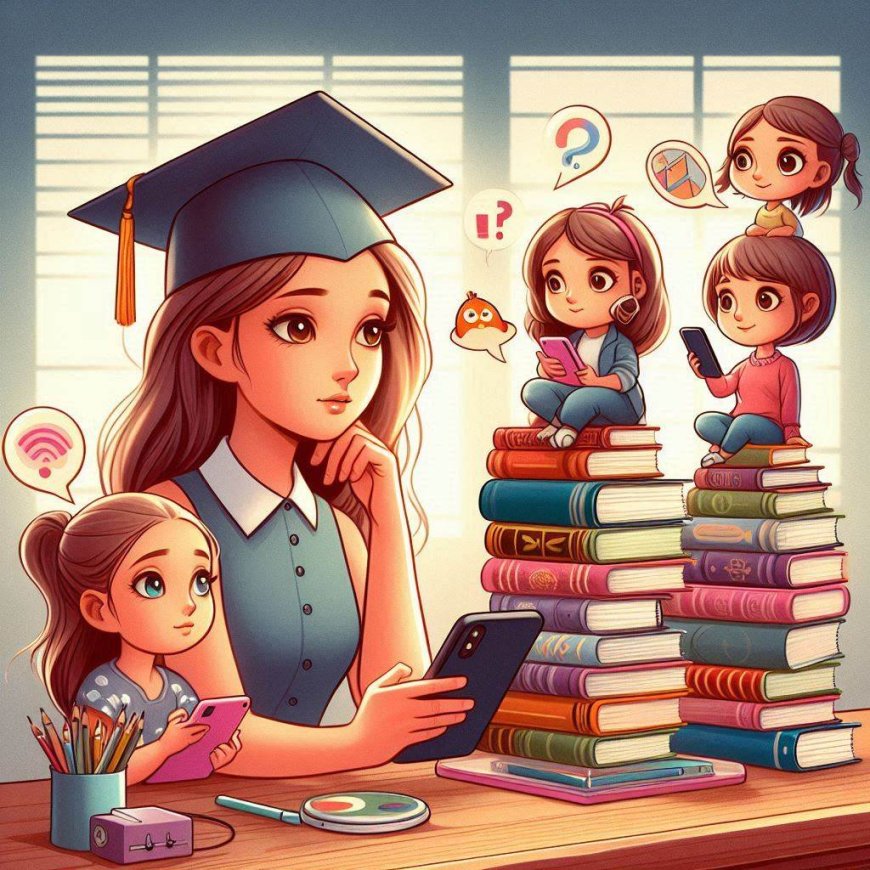
In today’s fast-paced digital age, children are growing up in a world surrounded by screens. Smartphones and tablets are everywhere—at school, at home, and even during travel. At the same time, books—once considered a child’s best companion—are losing their place on shelves. But what shapes a child’s future more: mobile phones or books? Experts, parents, and educators continue to debate. Let’s explore both sides and understand which has a lasting impact on a child's development.
1. The Growing Influence of Mobiles in Daily Life
Mobile phones are no longer just communication devices. They are used for learning, entertainment, gaming, and even socializing. Apps and online content can engage children quickly. However, the constant screen time can distract them from real-world experiences and deep learning.
2. Books Build Focus and Imagination
Books require focus, patience, and imagination. A child reading a story develops visualization skills, empathy, and concentration. Unlike short-form content on mobiles, books dive deeper into subjects, helping children build strong comprehension and vocabulary.
3. Attention Span: Screens vs. Pages
Mobile phones often lead to shorter attention spans due to quick, flashy content. On the other hand, books promote longer attention spans because they involve sustained reading and thinking. A child used to reading can focus better in school and exams.
4. Impact on Sleep and Health
Excessive mobile usage, especially before bedtime, affects sleep patterns. The blue light from screens can delay sleep, making children tired and irritable. Books, when read at night, calm the mind and support a healthy sleep cycle.
5. Learning Style and Retention
While mobile apps offer interactive learning, studies suggest that information read in books is often remembered longer. Books offer fewer distractions, while mobile learning is often interrupted by notifications or ads, affecting retention.
6. Social Skills and Emotional Growth
Children deeply engaged with books often show better emotional development. They relate to characters and situations, improving empathy and understanding. Mobile usage, especially unsupervised, can isolate children and reduce face-to-face communication time.
7. Parental Supervision and Guidance
Books require minimal supervision. But mobile phones need constant monitoring due to access to the internet and potential risks. Without proper guidance, children may be exposed to harmful content, making digital learning risky if unregulated.
8. Cost and Accessibility
Mobiles can offer thousands of books and resources at a click, making learning accessible. However, not all children use mobiles for education—many end up using them mainly for games or videos. Books, though limited in content, ensure focused learning.
9. Creativity and Critical Thinking
Books encourage children to ask questions and imagine alternate endings. This helps develop creativity and critical thinking. Mobile content often presents ready-made visuals and answers, reducing the need for exploration or independent thought.
10. Balance Is the Key
The debate isn’t about choosing one over the other, but about balance. Mobiles can support education when used wisely, while books offer unmatched depth. A mix of both—where screen time is managed and reading habits are encouraged—can shape a smarter, healthier future for every child.
Conclusion:
Books and mobiles both play important roles in a child’s future. But books still hold a powerful influence in shaping focus, imagination, and lifelong learning habits. While mobiles can enhance learning through visuals and interaction, they must be used mindfully. The real answer lies in moderation, supervision, and encouraging children to embrace the best of both worlds.