












Explained: New SIM Binding Rule for WhatsApp & Signal - What Changes for Users?
New SIM binding rule will change how WhatsApp, Signal and Telegram work, restricting usage without active SIM to curb cyber fraud.
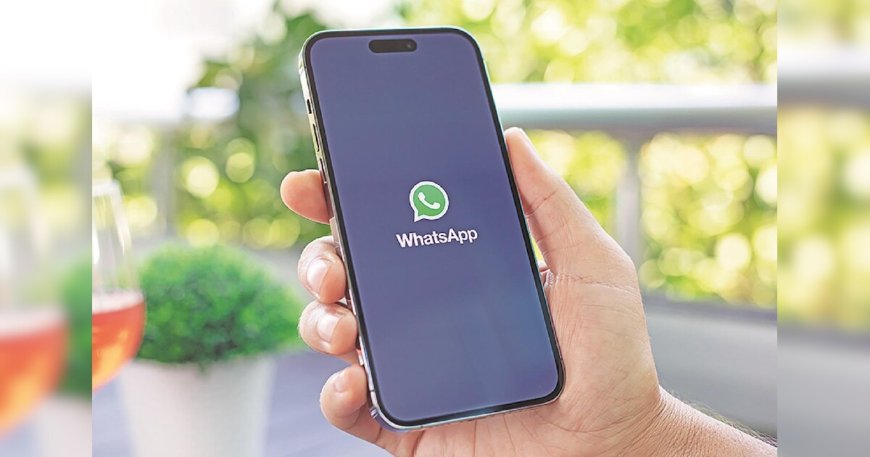
A major change is coming to how messaging apps work in India. Under a new directive issued by the Department of Telecommunications (DoT), apps like WhatsApp, Signal, and Telegram will soon function only if the SIM card used to register the account is active in the same device. This rule will bring a tighter security system, but it will also impact how millions use these platforms daily.
What Is Changing Under the New Rule?
Messaging platforms currently verify identity through OTPs sent during login or setup. Once verified, they continue working even if the SIM is removed or used in a different device. The new rule reverses this completely.
Under SIM binding:
-
The app must constantly verify whether the registered SIM is still active
-
Removing or changing the SIM will disable the app
-
Web versions like WhatsApp Web will auto-logout every six hours
This means users who swap phones frequently or operate accounts without SIM access will face restrictions.
Mandatory SIM Verification for Messaging Apps
The new rule requires apps to repeatedly check the International Mobile Subscriber Identity (IMSI) — a unique subscriber code embedded in every SIM. If IMSI doesn’t match the registered account, access will be blocked.
Apps have 90 days to roll out SIM-binding systems, and they must file a compliance report within four months.
These Apps Will Be Affected
The directive isn’t limited to WhatsApp alone. Several major and Indian-origin messaging apps fall under this rule, including:
-
WhatsApp
-
Signal
-
Telegram
-
Arattai
-
JioChat
-
ShareChat
-
Snapchat
-
Josh
More apps could be added later as the policy evolves.
How Will This Impact WhatsApp Usage?
India has over 500 million WhatsApp users, and many rely on linked devices or SIM-free tablets. Such users are likely to feel the change first.
Key changes for users:
| Before | After Rule |
|---|---|
| Login works even if SIM removed | App stops working without registered SIM |
| WhatsApp Web stays active for days | Auto logout every 6 hours |
| Multi-device works freely | Re-verification required |
Frequent travellers, people who change phones often, and tablet users will need constant SIM access to use WhatsApp.
WhatsApp Web: Biggest Shift Yet
WhatsApp Web has become essential for office communication, but convenience will now reduce. Every six hours, users will be logged out and must scan a fresh QR code to continue. This measure is designed to prevent access from unknown locations and cloned devices.
Why Is the Government Enforcing SIM Binding?
The centre says the move is aimed at tackling rising cases of cyber fraud, especially those conducted from outside India using Indian numbers.
The DoT stated that OTP-based verification alone is not enough because users can run messaging apps even without mobile networks. Persistent verification is expected to close this loophole and help security agencies trace misuse more easily.
Telecom Industry Supports the Move
The Cellular Operators Association of India (COAI) has backed the rule. It said that once an account is activated, apps continue to run without SIM presence — enabling misuse. Binding the app to an active SIM, they said, ensures stronger user identity tracking and fraud prevention.
Will This Affect Privacy or Freedom of Use?
While security may improve, many argue that convenience will reduce. Users working from laptops, using SIM-less devices, or those managing multiple phones may find the new system restrictive.
The industry awaits clarification on whether business accounts, virtual numbers, and dual-SIM users will receive exemptions or relaxed protocols.
Rollout Timeline and What to Expect Next
Apps must implement SIM-binding within 90 days. A real-world rollout may begin in early 2026, depending on testing and integration speed. Over the coming weeks, platforms are expected to announce changes in login methods, device linking, and verification systems.
For now, users should stay prepared for re-authentication prompts, stricter login conditions, and more frequent identity checks on messaging apps.