













Vivo V80 Review: Price, Camera, Battery, Performance & Verdict
Vivo V80 review: Check its ₹62,999 price, ZEISS cameras, 144Hz AMOLED display, 7,200mAh battery, Snapdragon 7 Gen 4 performance and whether it is worth buying.
The Vivo V80 has officially arrived in India as Vivo's latest V-Series smartphone, and the company is once again focusing heavily on design, photography and battery life.
Starting at ₹62,999, the V80 enters a highly competitive segment where buyers can expect powerful processors, premium displays and capable cameras. That makes one question particularly important: is the Vivo V80 actually worth its price?
After reviewing the phone's specifications and early real-world testing, the answer is fairly straightforward.
The Vivo V80 is an attractive choice if your priorities are camera quality, design, display and battery life. But if gaming and raw performance are your biggest priorities, there are more powerful options available around this price range.
Vivo V80 Price in India
The Vivo V80 starts at ₹62,999 in India.
The phone is available in multiple storage configurations, with higher-storage variants costing more.
At this price, the V80 competes directly with several performance-focused smartphones, which makes its camera and premium design approach particularly important.
Vivo is clearly positioning the V80 as a lifestyle and camera-centric smartphone rather than a pure performance flagship.
Vivo V80 Design: Premium and Stylish
One of the first things you notice about the Vivo V80 is its design.
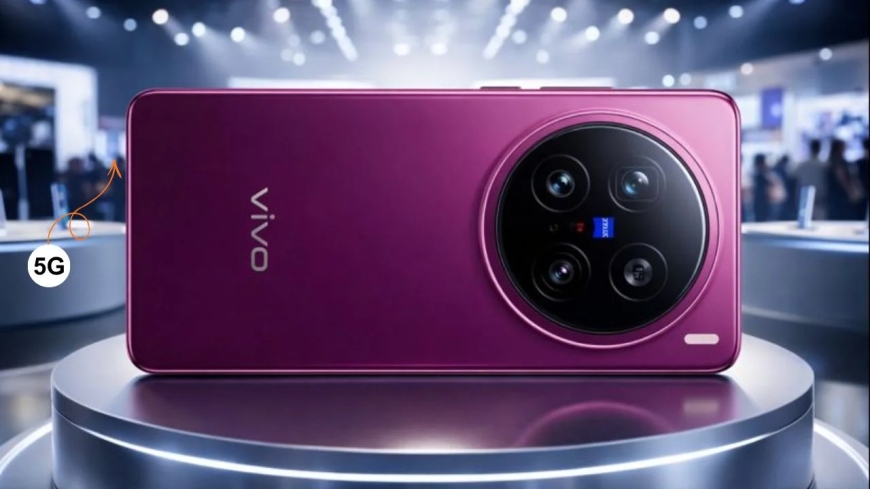
Vivo has introduced a redesigned Floating Camera module at the rear, giving the smartphone a distinctive appearance. The overall construction looks more premium than what you might expect from a conventional mid-premium smartphone.
The V80 is available in Sunrise Anthem, Horizon Blue and Stellar Black finishes. The phone also maintains a relatively compact feel despite having a large display.
The phone carries IP68 and IP69 ratings for dust and water resistance, along with 360-degree all-round drop resistance certification, adding another layer of durability.
For buyers who care about how their phone looks and feels in the hand, the V80 is one of the stronger options in its category.
144Hz AMOLED Display Is One of Its Biggest Strengths
The Vivo V80 features a 6.59-inch 1.5K AMOLED display with a 144Hz refresh rate.
The high refresh rate makes scrolling and animations feel smooth, while the AMOLED panel delivers vibrant colours and strong contrast.
The display can reach up to 5,000 nits peak brightness, making it suitable for outdoor viewing as well.
The 144Hz refresh rate is technically impressive, although most everyday users may not notice a dramatic difference compared with a good 120Hz display.
Still, for watching videos, browsing social media and general smartphone use, the display is one of the V80's strongest features.
Vivo V80 Camera: ZEISS Is the Main Attraction
Photography remains the biggest selling point of the Vivo V80.
The phone features a triple rear camera system developed around ZEISS imaging, consisting of:
-
50MP main camera with OIS
-
50MP telephoto camera with 3x optical zoom
-
8MP ultra-wide camera
-
50MP front camera
This setup gives the V80 a versatile camera system rather than relying entirely on the main sensor.
The telephoto camera is particularly useful for portraits and zoom photography.
Vivo has also added several software-based photography features, including cinematic video styles, multi-focal portrait modes, AI Creative Camera and AI Diwali Portrait 2.0.
For people who frequently shoot portraits, people, festivals and social-media content, the camera package is a major reason to consider this phone.
Camera Performance: Good, But Not Perfect
In daylight conditions, the V80 produces attractive images with good colour and contrast.
The telephoto camera also adds flexibility, particularly for portrait photography.
However, the phone isn't unbeatable in every camera situation.
Independent testing found that competitors such as the OPPO Reno 16 can deliver better detail, dynamic range, skin tones and low-light performance in certain situations.
Low-light photography is one area where the V80 could have been better. Images can show noise and lose some fine detail.
So while the ZEISS branding and camera versatility are impressive, buyers shouldn't assume that the V80 automatically has the best camera in its price segment.
Video Recording Gets a Major Upgrade
Vivo is also pushing the V80 as a content-creation smartphone.
The device supports 4K Cinematic Video and 4K 60fps video recording, giving users more flexibility when recording higher-quality videos.
This could make the V80 particularly attractive to Instagram creators, YouTubers and users who regularly record reels and travel videos.
For casual users, these features may not matter much. But for content creators, having advanced video options built directly into the phone can be a significant advantage.
Performance: The Biggest Weakness
This is where the Vivo V80 becomes more difficult to recommend.
The smartphone uses the Qualcomm Snapdragon 7 Gen 4 chipset.
The processor is capable enough for everyday tasks, social media, photography, streaming and normal gaming. But at ₹62,999, some competing smartphones offer significantly more powerful hardware.
In testing, the Vivo V80 recorded an AnTuTu score of approximately 1.36 million, while some competing devices scored considerably higher.
The review also observed occasional sluggishness while multitasking and opening certain applications.
This doesn't mean the V80 is a slow phone.
It simply means that performance is not its strongest selling point, particularly when compared with performance-oriented phones in the same price range.
Gaming Performance: Good Enough, Not the Best
Casual and moderate gaming should not be a problem.
However, buyers looking for a smartphone specifically for demanding games should look elsewhere.
The Snapdragon 7 Gen 4 is not necessarily a bad processor, but the V80's pricing makes the performance comparison more important.
Phones such as the OnePlus 15R and iQOO 15R offer more powerful hardware and can make more sense for buyers who prioritise gaming and raw performance.
Therefore, the V80 is better described as a camera-and-lifestyle phone rather than a gaming phone.
7,200mAh Battery Is a Major Advantage
Battery life is another area where Vivo has made a significant upgrade.
The V80 comes with a huge 7,200mAh battery, one of the largest batteries in this V-Series lineup.
In real-world usage, the phone can comfortably last through a full day and potentially extend into the following day depending on how heavily it is used.
Testing also recorded approximately 18 hours and 36 minutes in the PCMark battery test.
The phone supports 90W fast charging, which helps compensate for the large battery capacity.
For heavy users, travellers and people who don't want to carry a charger everywhere, this is one of the V80's biggest advantages.
OriginOS 7 and Android 17
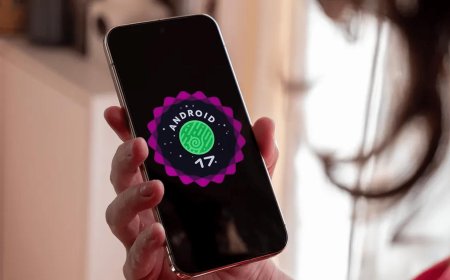
The Vivo V80 is also significant because it is among the first Vivo smartphones in India to arrive with OriginOS 7 based on Android 17.
The software brings a more visual and customisable interface with redesigned animations, translucent interface elements and additional personalisation options.
Vivo is also promising four OS upgrades and six years of security updates, which is an important factor for buyers planning to keep their phone for several years.
The software experience is feature-rich, although early testing suggests OriginOS 7 may still need some refinement, particularly around occasional stutters.
Future software updates could improve some of these issues.
Vivo V80: Pros and Cons
Pros
-
Premium and attractive design
-
Excellent 1.5K 144Hz AMOLED display
-
Versatile ZEISS camera system
-
3x optical telephoto camera
-
50MP selfie camera
-
7,200mAh battery
-
90W fast charging
-
IP68/IP69 protection
-
4K cinematic video recording
-
Four OS upgrades and six years of security updates
Cons
-
Snapdragon 7 Gen 4 feels underpowered for the price
-
Low-light camera performance could be better
-
Occasional software stutters
-
Stronger performance-focused alternatives are available
Vivo V80 vs Competition
The biggest challenge for the Vivo V80 is not that it is a bad smartphone.
The challenge is its ₹62,999 starting price.
At this level, buyers have several alternatives that focus more heavily on raw performance.
The Vivo V80 therefore makes the most sense for someone who values camera versatility, premium design, display quality and battery life more than benchmark scores.
If your priority is gaming or maximum processing power, another phone may offer better value.
Is Vivo V80 Worth Buying?
The answer depends entirely on what you want from your smartphone.
If you want a stylish phone with a beautiful display, versatile ZEISS cameras and a massive battery, the Vivo V80 is a compelling option.
If you are a photography enthusiast, social-media creator or someone who spends a lot of time watching content on their phone, the V80 has plenty to offer.
But if you are buying a phone primarily for gaming, demanding applications or maximum performance, the V80 is harder to recommend at ₹62,999.
The Snapdragon 7 Gen 4 simply doesn't give it the performance advantage that some competitors offer.
Final Verdict
The Vivo V80 is a well-rounded premium smartphone, but it is not trying to win the performance battle.
Instead, Vivo has concentrated on the areas where the V-Series has traditionally been strong: design, cameras and battery life.
The ZEISS triple-camera system, 144Hz AMOLED display and 7,200mAh battery make the V80 an attractive package, while 90W charging and long-term software support add further value.
The biggest concern is performance. At ₹62,999, buyers have access to phones with more powerful processors.
So, should you buy the Vivo V80?
Yes — if you want a camera-focused premium phone with excellent battery life and a beautiful display.
No — if gaming and raw performance are your top priorities.
The Hud Times Rating: 8/10
FAQs
What is the Vivo V80 price in India?
The Vivo V80 starts at ₹62,999 in India.
Is Vivo V80 a 5G phone?
Yes, the Vivo V80 is a 5G smartphone.
What processor does Vivo V80 use?
The Vivo V80 is powered by the Qualcomm Snapdragon 7 Gen 4 processor.
How big is the Vivo V80 battery?
The phone features a large 7,200mAh battery and supports 90W fast charging.
Does Vivo V80 have a ZEISS camera?
Yes. The V80 features a ZEISS-branded triple rear camera system with a 50MP main camera, 50MP 3x telephoto camera and 8MP ultra-wide camera.
Does Vivo V80 support 4K video recording?
Yes. Vivo V80 supports 4K video recording, including 4K 60fps and cinematic video features.
Is Vivo V80 good for gaming?
It can handle everyday and moderate gaming, but it is not the strongest choice for buyers seeking maximum gaming performance at this price.
Is Vivo V80 worth buying in 2026?
It is worth considering if your priorities are camera quality, design, display and battery life. Buyers who prioritise performance have stronger alternatives.
What software does Vivo V80 use?
The Vivo V80 runs OriginOS 7 based on Android 17. It is also promised four OS upgrades and six years of security updates.