











Trump's Bold Statement on India-Russia Oil Deal – Tension Rising with the US?
Trump threatens tariffs over India's Russian oil imports, escalating economic coercion; India resists, prioritizing sovereignty and export stability.
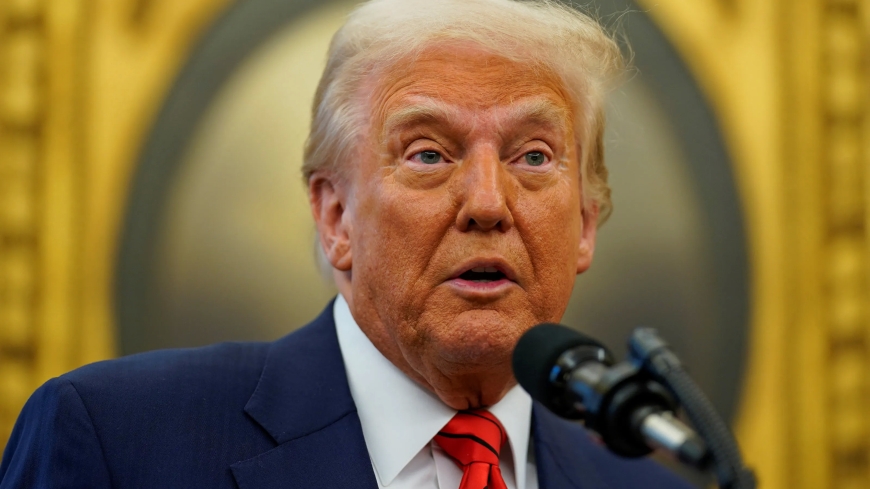
U.S. President Donald Trump has escalated trade tensions by targeting India’s continued purchase of Russian oil. On July 31–August 1, Trump announced plans to impose a 25% reciprocal tariff, or even higher penalties, on Indian goods. The reason: India's oil imports from Russia amid the Ukraine war. New Delhi has strongly rejected these threats, calling them “unjustified and unreasonable” and promising to defend its national interests and economic security.
1. Tariff Threats Aimed at Influencing Policy
Trump’s tariff warning is not just about trade—it is a tool of economic coercion. By linking energy imports to trade talks, Trump intends to pressure India into aligning with U.S. geopolitical objectives, including influencing Russia’s position on Ukraine.
2. India Rejects the Pressure Tactics
New Delhi responded firmly, calling the U.S. claims unfair. Officials emphasized India’s strategic autonomy, stating that affordable Russian oil helps manage domestic inflation and supports economic stability.
3. Exporters Caught in a Tight Spot
Nearly 20% of India’s exports go to the U.S. Exporters in textiles, pharmaceuticals, gems, and other key sectors are anxious. A sudden tariff hike could significantly cut revenues and disrupt ongoing trade deals and negotiations.
4. U.S. as 'Hegemonic Sanctioner'
According to a working paper by former RBI Governor Urjit Patel, the U.S. leads the world in issuing global sanctions—496 out of 1,325 since 1949. India, he argues, should view institutions like BRICS and AIIB as insurance against U.S. monetary dominance.
5. Secondary Sanctions Expand U.S. Influence
Patel’s paper criticizes U.S.-style secondary sanctions—measures that penalize third countries for trading with sanctioned nations. These sanctions rely on the global use of the U.S. dollar and the central banking network.
6. Rising Economic Stakes for India
India imported around 1.75 million barrels per day from Russia during early 2025—over one-third of its total oil needs. If stopped, rising oil prices could hurt energy stability and export revenues. Analysts estimate losses of up to $18 billion for Indian exports and $11 billion in refinery margins.
7. Breaking Bilateral Trust After Trump’s Overtures
Despite past warmth between Modi and Trump, tensions have deepened. Trump’s embrace of Pakistan—with energy deals—and insistence on India halting Russian oil purchases have rattled diplomatic trust. Observers say this marks a diplomatic turning point.
8. Global Context: How Other Countries Faced U.S. Sanctions
Indian officials highlight that U.S. and EU still trade energy and uranium with Russia. This contrast amplifies India’s claim of being unfairly singled out. India sees these double standards as undermining mutual claims to energy security and fair trade.
9. Strategic Path Ahead for India
India is actively planning responses: boosting trade ties with Europe and ASEAN, negotiating selective concessions in sectors like dairy or energy, and shoring up investments. Economic leaders suggest exploring alternative alliances outside the dollar system.
10. Why the Stakes Are High for Emerging Economies
Emerging markets like India suffer the most under U.S. economic pressure. External costs from sanctions are often invisible but substantial—impacting public finances, trade flows, and foreign direct investment. Experts warn that without transparent debate, sanctions can destabilize economies without clear diplomatic gains.
Final Word
Trump’s latest tariff threats mark a significant intensification of U.S. economic pressure on India. New Delhi faces a delicate balancing act—defending its sovereignty and economic needs, while avoiding disruptions to its largest export market. As the dynamics between the world’s largest democracies evolve, India’s response may also signal broader shifts in global financial architecture and multi-polar realignment.