












Supreme Court Reserves Order on Delhi Stray Dog Removal Case
Supreme Court reserves verdict on Delhi stray dog removal order, weighing public safety concerns against humane treatment and animal welfare laws.
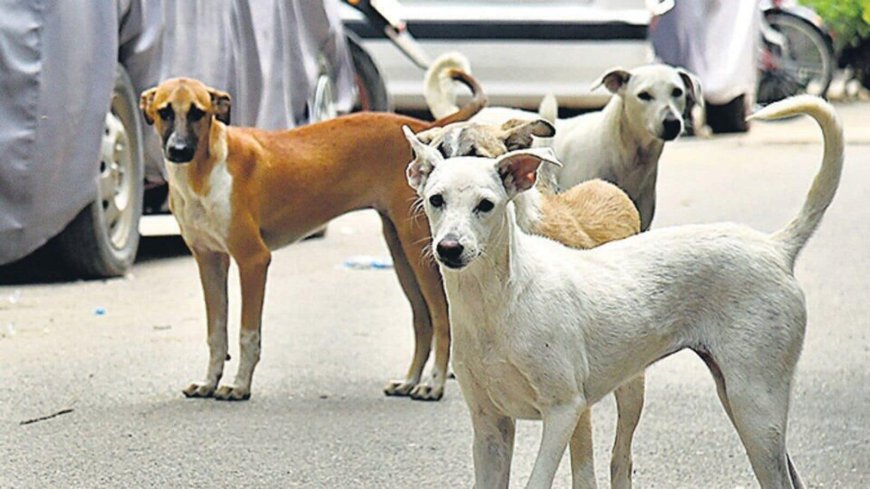
A three-judge bench of the Supreme Court has reserved its verdict on whether to stay the Delhi High Court’s controversial order to remove stray dogs from Delhi-NCR streets. The matter, which has stirred intense debate between public safety advocates and animal rights activists, could set a precedent for how urban India manages street animals.
1. Case Moved to a Three-Judge Bench
Originally heard by a two-judge bench, the case was shifted to a three-member bench led by Justices Vikram Nath, Sandeep Mehta, and N.V. Anjaria to allow for broader judicial consideration.
2. High Court’s Original Order
On August 11, the Delhi High Court directed civic bodies to remove all stray dogs from public areas within eight weeks and relocate them to shelters. The order prohibited their release back onto the streets, citing rising dog bite incidents and public safety concerns.
3. Government’s Stand on Public Safety
Solicitor General Tushar Mehta supported the removal directive, pointing to increasing cases of rabies and injuries, especially involving children. He argued that authorities must act decisively to prevent further harm.
4. Animal Welfare Groups’ Objections
Animal rights advocates, including NGOs and senior counsel Kapil Sibal, argued that mass removal would be inhumane and ineffective. They urged the court to focus on sterilisation and vaccination under the Animal Birth Control (ABC) Rules instead.
5. Court Critical of Civic Inaction
Justice Vikram Nath criticised local bodies for failing to enforce existing animal control measures. The bench noted that administrative negligence had worsened the stray dog problem, leading to repeated legal interventions.
6. Balancing Safety and Compassion
The bench acknowledged the need to protect citizens from dangerous stray dog attacks, but also stressed that solutions must align with humane treatment standards and established legal frameworks.
7. Public Protests and Awareness Campaigns
Since the High Court’s ruling, protests have erupted in cities like Mumbai and Delhi. Activists held rallies, candle marches, and social media campaigns under hashtags like #SaveStrays to highlight concerns over animal welfare.
8. The “Vocal Minority vs Silent Majority” Debate
In court, the bench observed that while a vocal minority advocates for stray animal protection, a silent majority of residents suffer from safety issues. The judgment, it said, must balance both perspectives.
9. No Immediate Stay Granted
The Supreme Court chose not to impose an interim stay on the High Court order but reserved its decision after hearing all parties. This means civic bodies must wait for the final ruling before taking large-scale action.
10. Next Steps and Possible Outcomes
The reserved verdict is expected soon and could either uphold the High Court’s removal directive, modify it to include ABC measures, or stay it entirely. Whatever the decision, it will likely influence stray dog management policies nationwide.
Final Word
The Supreme Court’s eventual ruling will decide whether Delhi-NCR sees mass relocation of stray dogs or a renewed commitment to humane population control. For now, the legal and public debate continues, reflecting India’s ongoing challenge of balancing compassion for animals with community safety.