












Samrat Choudhary Becomes Bihar CM – BJP’s Historic First Leadership
Samrat Choudhary becomes Bihar’s 24th Chief Minister, marking BJP’s first leadership in state, after Nitish Kumar’s resignation and political shift.
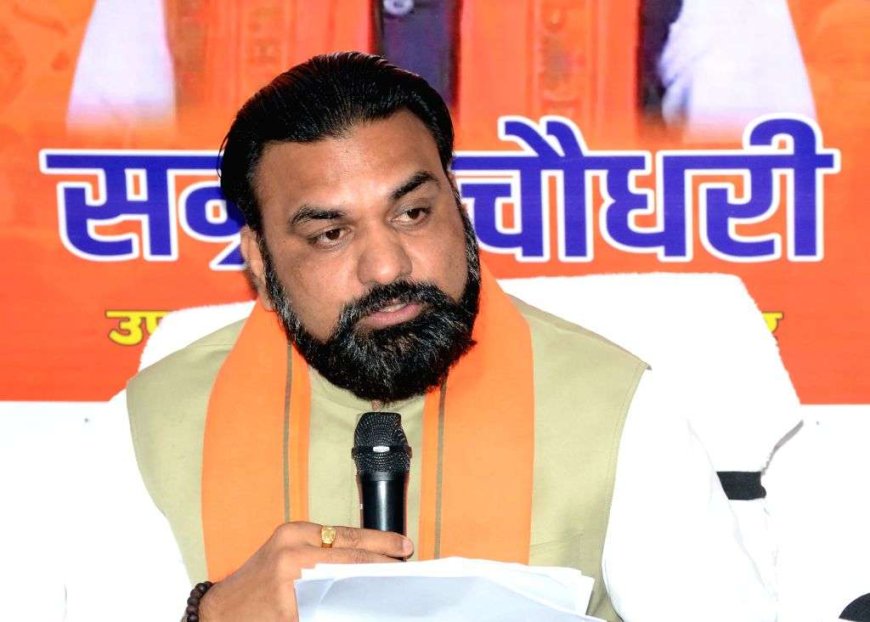
In a landmark moment for Bihar politics, Samrat Choudhary has been sworn in as the 24th Chief Minister of Bihar, becoming the first leader from the Bharatiya Janata Party to occupy the state’s top post. His elevation marks not just a leadership change but a deep political transformation in a state long defined by coalition politics and shifting alliances.
The swearing-in ceremony followed the resignation of veteran leader Nitish Kumar, whose departure has redrawn Bihar’s political equations and opened the door for BJP to assume direct control of governance for the first time in its history in the state.
A Historic Breakthrough for BJP in Bihar
Samrat Choudhary’s appointment is being seen as a breakthrough moment for the BJP in Bihar. For decades, the party played the role of a junior ally in various coalition governments, often supporting leaders from other parties.
Now, with Choudhary taking charge as Chief Minister, BJP has finally established itself as the primary governing force in Bihar. This shift reflects the party’s long-term strategy of strengthening its independent base and leadership across states.
The development also signals a transition from coalition dependency to direct governance, giving BJP greater control over policy-making and administrative direction in Bihar.
???? Key highlights of this political shift:
- BJP forms government under its own leadership in Bihar
- End of long-standing coalition dependency
- Stronger implementation of party-driven policies
From Grassroots Politics to Chief Minister’s Office
Samrat Choudhary’s rise to power did not happen overnight. His political journey has been shaped by years of grassroots involvement, administrative roles, and strategic positioning within the party.
He began his political career in the early 1990s and gradually built his presence through consistent work and leadership roles. Over the years, he earned recognition as a reliable and assertive political figure.
His appointment as Bihar BJP president in 2023 proved to be a turning point, as it placed him at the centre of the party’s organisational strategy in the state. Within a year, he moved from being state president to Deputy Chief Minister, and now to Chief Minister.
???? Key milestones in his journey:
- Entered politics in 1990
- Became MLA from Parbatta constituency
- Appointed Bihar BJP President (2023)
- Served as Deputy Chief Minister (2024)
- Sworn in as Chief Minister (2026)
Political Legacy and Early Life
Born on November 16, 1968, in Lakhanpur village in Munger district, Samrat Choudhary comes from a politically influential family. His father, Shakuni Choudhary, was a six-time MLA and Member of Parliament, while his mother also had a political background.
Growing up in such an environment exposed him to politics from an early age and shaped his understanding of governance and public service.
He completed his education at Madurai Kamaraj University, after which he actively entered politics and began working at the grassroots level.
???? Background overview:
- Birthplace: Munger, Bihar
- Education: Madurai Kamaraj University
- Political family background
- Early exposure to governance
Experience Across Governments and Roles
One of the key strengths of Samrat Choudhary is his diverse experience in both government and opposition roles. He has served under different administrations, gaining valuable insights into Bihar’s political and administrative systems.
He was appointed Agriculture Minister in 1999 during the Rabri Devi-led government, marking his early entry into governance. Later, he held important portfolios such as Urban Development and Housing.
His ability to adapt and work across political setups has helped him build a strong reputation as a versatile leader.
???? Important positions held:
- Agriculture Minister (1999)
- MLA (multiple terms)
- Opposition Chief Whip
- Urban Development Minister
Rise Within BJP and Strategic Importance
Choudhary’s rise within BJP was not accidental. It was part of a calculated strategy by the party to strengthen its social base, especially among OBC communities.
He is seen as a prominent face of the Kushwaha/Koeri community, which plays a crucial role in Bihar’s electoral landscape. His leadership helped BJP expand its outreach and consolidate its position among key voter groups.
His appointment as state president in 2023 was a clear indication that the party was preparing him for a larger role.
???? BJP’s strategic goals:
- Strengthen OBC voter base
- Build strong regional leadership
- Expand grassroots presence
Role as Deputy Chief Minister
Before becoming Chief Minister, Samrat Choudhary served as Deputy Chief Minister, where he handled several important departments including Finance, Health, Urban Development, and Panchayati Raj.
During this period, he focused on improving administrative efficiency and introducing reforms aimed at transparency and development.
His tenure also saw efforts to improve policing systems, traffic management, and infrastructure development, which helped strengthen his governance credentials.
???? Key focus areas during tenure:
- Administrative reforms
- Improved law and order systems
- Investment and development initiatives
- Transparency in governance
Leadership Style: Assertive and Symbolic
Samrat Choudhary is known for his assertive and often aggressive political style. He has consistently taken strong positions against political opponents, which has helped him build a firm image among supporters.
One of his most talked-about symbolic gestures was wearing a turban during a political phase, pledging to remove it only after BJP returned to power. This move resonated with supporters and reinforced his commitment to the party’s goals.
His leadership style reflects a mix of symbolism, strong messaging, and decisive action.
Nitish Kumar’s Exit: End of an Era
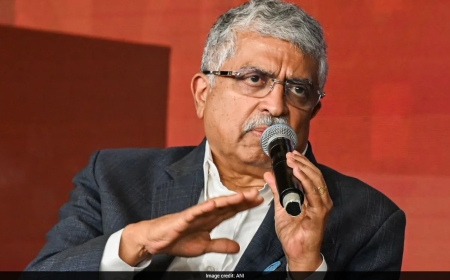
The resignation of Nitish Kumar marks the end of a significant chapter in Bihar’s political history. For years, he remained the central figure in the state’s governance, navigating multiple alliances and political shifts.
His departure has not only created a leadership vacuum but also allowed BJP to step forward as the dominant force in Bihar.
This transition represents a broader shift in political dynamics, where long-standing alliances are being replaced by clearer, party-led governance structures.
???? Impact of his resignation:
- End of coalition-driven leadership
- Shift in power balance
- Opportunity for BJP to lead independently
What This Change Means for Bihar
The appointment of Samrat Choudhary as Chief Minister is expected to bring a new governance approach aligned with BJP’s broader national vision.
Policy decisions, administrative priorities, and development strategies may now reflect a more centralised and structured approach.
This could lead to faster decision-making and implementation, but it will also require careful handling of social and political sensitivities in the state.
Challenges Ahead for the New Government
While the moment is historic, it also brings significant challenges for the new Chief Minister.
Bihar continues to face issues related to infrastructure, employment, education, and law and order. Addressing these challenges will require strong leadership and effective governance.
???? Major challenges include:
- Improving economic growth and job opportunities
- Strengthening education and healthcare systems
- Managing law and order
- Balancing political expectations
Public Expectations and Political Pressure
With BJP now directly in power, public expectations are higher than ever. Voters will expect visible improvements in governance and development.
At the same time, political pressure will remain high, as opposition parties will closely monitor the government’s performance.
This makes the initial months of Choudhary’s tenure particularly crucial.
A Defining Moment in Bihar’s Political History
Samrat Choudhary’s swearing-in is more than just a routine political event. It represents a defining moment in Bihar’s political journey — one that could reshape the state’s future direction.
The transition from coalition politics to direct party leadership marks a new chapter, with long-term implications for governance and electoral dynamics.
Conclusion
The rise of Samrat Choudhary as Bihar’s Chief Minister signals a major shift in the state’s political landscape. It reflects BJP’s growing influence and its ability to transition from a supporting role to a leading force.
As Bihar enters this new phase, the focus will now shift from political change to governance delivery. The coming months will determine how effectively the new leadership can translate this historic moment into real progress for the state.