


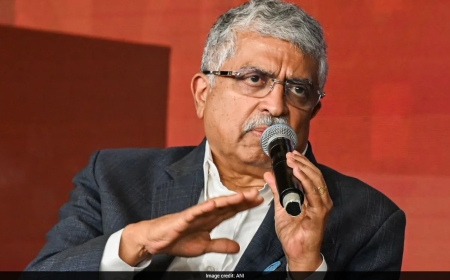











Nithin Kamath Questions CBSE's Sugar Rule: Will Parents Care?
CBSE urges schools to cut sugar; Zerodha’s Nithin Kamath asks how to involve parents in building healthier habits.

The Central Board of Secondary Education (CBSE) recently issued an advisory to schools across India, urging them to reduce the intake of sugar-rich food and beverages among children. This move has sparked discussions among educators, parents, and health experts. One notable voice is that of Nithin Kamath, the co-founder of Zerodha, who raised a simple yet powerful question: "How do we get parents to care?" His question highlights a deeper issue—awareness and action at home. Here’s how this development is unfolding and why it matters.
1. CBSE’s New Guidelines on Sugar Intake
CBSE’s circular instructs schools to avoid selling or promoting food items high in sugar, such as candies, carbonated drinks, packaged juices, and fried snacks. Schools are encouraged to replace these with nutritious alternatives like fruits, nuts, and traditional Indian snacks made with less sugar.
2. Nithin Kamath’s Thought-Provoking Reaction
Reacting to the CBSE announcement, Nithin Kamath took to social media to express support but also raised an important point—while schools can try to regulate food habits during school hours, long-term change is only possible if parents play an active role at home.
3. Why the Focus on Sugar Now?
India is seeing a surge in childhood obesity and early-onset diabetes. The World Health Organization has raised alarms about the growing health crisis among children. Excessive sugar intake is directly linked to these health issues, making this advisory timely and relevant.
4. The Role of Schools: A Limited Influence
Schools operate for 6–8 hours a day, but a child’s diet is primarily controlled at home. CBSE’s efforts are commendable, but their impact can be limited if not supported by conscious parenting. This is what Nithin Kamath underlines in his comment.
5. The Parental Disconnect
Many parents, especially in urban areas, struggle to balance work, home, and children’s needs. In the process, packaged and sugary snacks become an easy go-to. Kamath's question is rooted in this reality—many parents simply don’t realize the long-term harm of such habits.
6. Health Begins at Home
Doctors and nutritionists agree: the food a child consumes at home has a greater impact than what they eat at school. Parents need to make healthier choices, like reducing sugary cereals, replacing colas with coconut water, and avoiding processed snacks.
7. Digital Awareness Campaigns Could Help
Experts suggest that awareness drives on social media could help. Videos, posts, and workshops can inform parents about the risks of sugar and provide practical alternatives. Kamath’s involvement could even spark a movement if other influencers join in.
8. Making Nutrition a Family Goal
One of the easiest ways to get parents involved is by making nutrition a family goal. Instead of forcing children to eat healthy, families can eat together and set small weekly challenges—like “no sugar week” or “fruit-only desserts.”
9. Schools and Parents: A Needed Partnership
Rather than working in isolation, schools and parents should collaborate. Schools can host seminars and invite nutritionists to speak to both students and parents. Feedback forms and food diaries can help track progress. Shared accountability is key.
10. The Bigger Picture: Creating a Healthier Future
Nithin Kamath’s question is more than just a tweet—it’s a wake-up call. If India wants to build a healthier generation, change must start from the dining table at home. CBSE has taken the first step. Now, it’s time for parents to take responsibility and make informed food choices that will shape their children’s future.