











Is Voice Messaging Safe in School Apps?
Explore the safety, benefits, and concerns of voice messaging in school apps, with tips for parents, teachers, and schools.
School apps are becoming more advanced every day. One of the new features many schools are adding is voice messaging. But as schools try to make communication easier, some parents and experts are asking – is it safe for students?
From sharing homework to notifying about urgent school events, voice messages can be very useful. But just like any technology, it brings questions about privacy, misuse, and safety. Here’s a closer look at the voice message feature and what it means for students, teachers, and parents.
1. What is the Voice Message Feature?
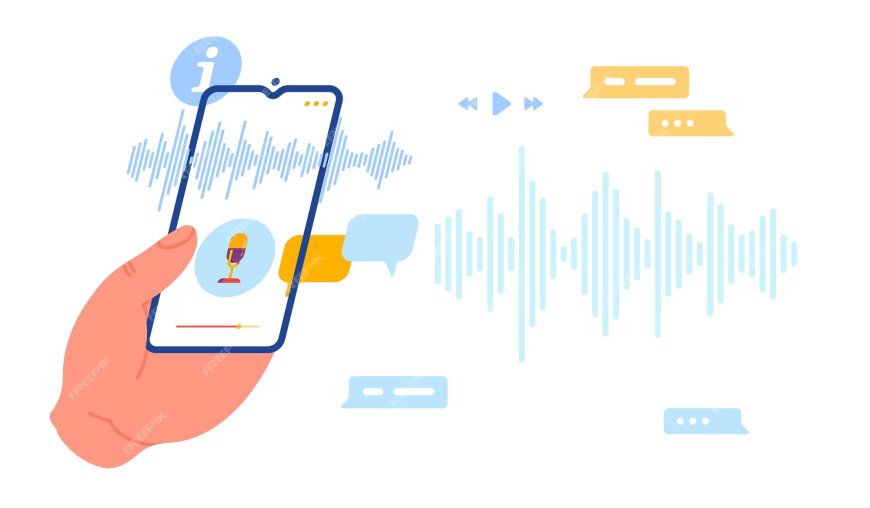
The voice message feature allows teachers, students, and sometimes parents to send and receive voice recordings within the school app. It works just like WhatsApp voice notes but is built into the school’s official platform. It helps those who are not comfortable typing or who want to quickly share updates.
2. Why Schools Are Using It
Many schools see this feature as a way to improve communication. Teachers can send personal feedback to students, and students can ask questions after class hours. It also helps younger students who may not be good at writing long messages.
3. Is It Really Helping?
In many cases, yes. Some schools have noticed better engagement. Students who usually stay quiet in class feel more confident in sending voice messages. Teachers also feel it saves time. However, this only works if the feature is used properly and with limits.
4. Privacy Concerns for Children
One major worry is privacy. Voice recordings can reveal a lot more than just words – background noises, accents, emotions, and even location hints. If not properly protected, these recordings can be misused. Parents want to know where the data is stored and who has access to it.
5. Who Can Listen to the Messages?
Ideally, only the sender and receiver should be able to hear the voice messages. But if the app is not secure or if settings are loose, messages might be accessible by other users or even hackers. Schools must ensure strong security systems are in place.
6. Risk of Misuse by Students
Some students may misuse the feature by sending prank messages or recording others without permission. This not only disturbs learning but could also lead to bullying. Schools must make strict rules about how voice messages can be used.
7. Are Teachers Comfortable?
Not all teachers are fully comfortable with voice features. Some say it adds to their workload, as they must listen to each message, unlike texts which are faster to scan. Others worry about being recorded without their knowledge. Proper training and clear rules can help.
8. What Should Parents Know?
Parents must be informed about what the app does and how voice messages are handled. Schools should explain how long messages are stored, whether they are monitored, and what steps are taken in case of misuse. Transparency builds trust.
9. Legal and Safety Guidelines
In India, and many other countries, there are laws around collecting and storing data from children. Schools need to follow these rules strictly. It’s important that the app provider also complies with data protection policies to keep students safe.
10. Finding a Safe Balance
Like every tool, voice messages in school apps can be very useful if used correctly. The key is balance – allowing students to benefit from new technology while making sure they are protected from any risks. Schools, parents, and app developers must work together to make that happen.
Final Thoughts
Technology in education is here to stay. Features like voice messaging can improve how schools and students connect, but safety must come first. With proper care, clear rules, and responsible use, voice messages can become a helpful part of modern learning without putting students at risk.