














HCL Tech Changes Variable Pay Policy: Fixed Salary for All Employees, Hike from October 2025
HCL Tech revises its variable pay policy, merging quarterly pay into fixed salaries and confirming salary hikes from October 2025.
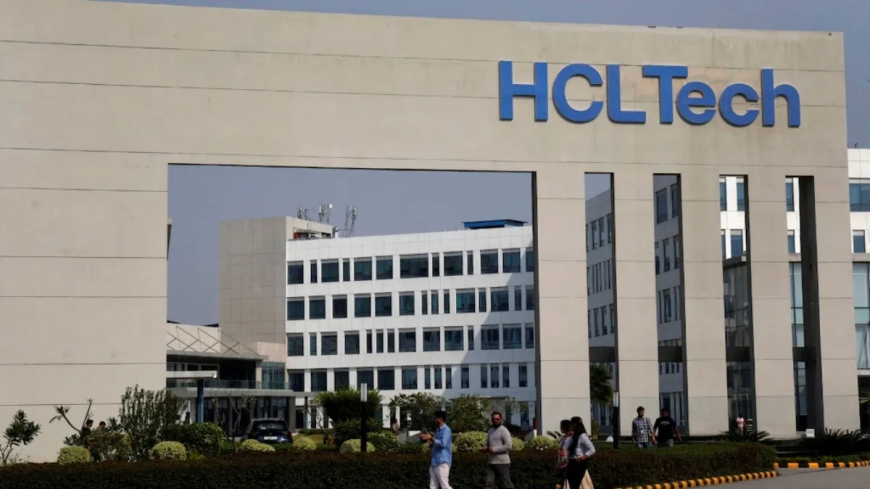
In a significant move that could set a new trend in the IT industry, HCL Technologies has announced a complete overhaul of its employee pay structure. The company will now merge its quarterly variable pay with fixed monthly salaries for all employees. The new structure is expected to take effect along with the upcoming salary increments, scheduled for rollout from October 2025.
A Shift Toward Stability in Pay Structure
The change means that employees will no longer have to wait for quarterly variable payouts. Instead, that portion of their compensation will now be included in their fixed salary. The decision was officially confirmed by HCL Tech’s Chief People Officer, Ram Sundararajan, following the company’s quarterly earnings release.
Why HCL Tech Made This Change
According to the HR head, the company wanted to simplify its pay system and ensure more stability for employees. Many project-related staff previously had their variable pay linked to project performance metrics. By integrating this into fixed pay, HCL aims to make employee income more predictable and transparent.
Variable Pay: How It Worked Earlier
HCL’s variable pay system was divided into two parts. The first part, which affected most project employees, was paid quarterly based on project targets and performance. The second part was an annual performance bonus linked to individual results. While the quarterly component will now become part of fixed pay, the annual performance bonus will continue as usual.
Employees Who Will Benefit the Most
This shift primarily benefits junior and mid-level employees who were directly dependent on quarterly project metrics. These employees will now receive a steady monthly income without waiting for quarterly evaluations. Senior employees, however, will continue to be eligible for the annual performance bonus as before.
Salary Hike from October 2025
The IT giant has confirmed that the next round of salary hikes will begin in October 2025, following the same process as last year. The decision aims to reward employees for their continued commitment during a time of global economic challenges. The company emphasized that the increment plan is already in motion and will be implemented across all divisions.
Attrition Rate Sees a Decline
HCL Tech also reported a fall in its voluntary attrition rate, which now stands at 12.6% — down from 12.9% in the same quarter last year. This suggests that fewer employees are leaving the company, which could be a result of better retention policies and a more stable pay structure.
Growing Workforce and Hiring Plans
As of September 2025, HCL Tech employs over 2.26 lakh people, showing a net addition of 3,489 employees in the last quarter. Year-on-year, the company has added more than 8,000 new team members. The steady growth in headcount indicates the firm’s confidence in upcoming projects and new business opportunities.
Industry Experts Welcome the Decision
Industry analysts believe this move could influence other IT firms to reconsider their variable pay structures. By merging variable pay into fixed salaries, HCL is likely improving employee morale, reducing uncertainty, and ensuring consistent income — a key factor in boosting productivity and loyalty.
What This Means for the IT Sector
The announcement comes at a time when the global IT industry is undergoing shifts in workforce expectations. Employees now prefer stability over uncertain incentives. HCL’s decision reflects this changing sentiment and may pave the way for other IT giants to follow a similar path.
Conclusion
HCL Tech’s decision to merge variable pay with fixed salary marks a bold step toward creating a more transparent and employee-friendly compensation system. Along with the planned salary hikes in October 2025 and declining attrition rates, the company is reinforcing its image as one of India’s most progressive IT employers. As the new structure rolls out, it could well redefine how pay policies evolve across the technology sector in the coming years.