












10 Warning Signs Your Child Is Stressed and How to Help
Discover 10 warning signs your child may be stressed and learn how to identify and support them early and effectively.
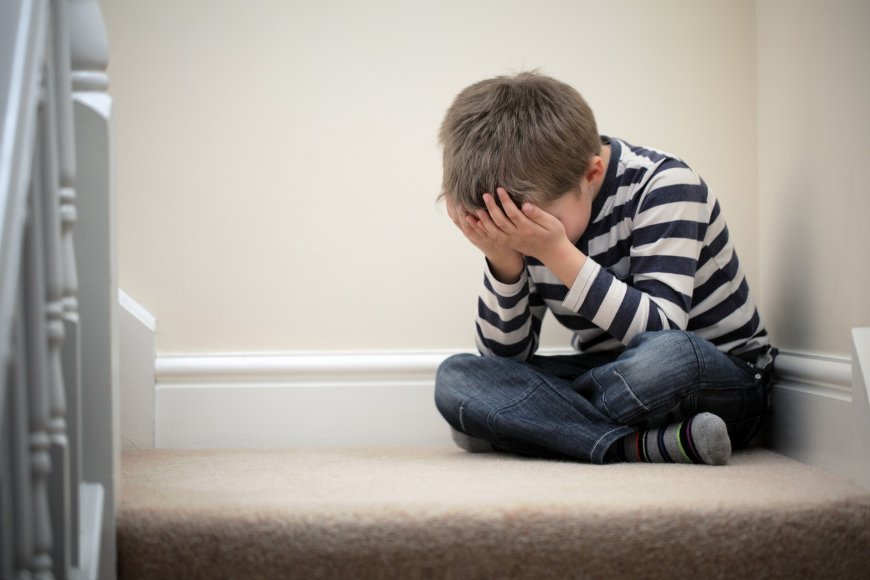
In today’s fast-moving world, stress isn’t just something adults deal with. Children, too, can feel overwhelmed by schoolwork, social pressures, family changes, and even the constant noise of digital life. But unlike adults, children often don’t have the words to say they’re stressed. Instead, they show it through changes in their behavior, mood, or habits.
Understanding the signs early can help parents or caregivers step in before the stress becomes something more serious. Here are ten signs that may suggest your child is under stress.
1. Sudden Changes in Sleep Patterns
If your child, who usually sleeps well, suddenly starts having trouble falling asleep or staying asleep, it could be a red flag. Stress can make kids’ minds race at night, just like it does for adults. Nightmares or waking up often might also be a sign something’s bothering them.
2. Loss of Interest in Favorite Activities
Children usually enjoy playing, drawing, or spending time with friends. If they suddenly lose interest in these activities or seem withdrawn, it may be more than just a bad mood. A lack of excitement for things they once loved can be a subtle cry for help.
3. Becoming Easily Irritated or Angry
Stress can show up as frustration. If your child starts snapping at siblings, parents, or friends more often than usual, this may be a way of expressing internal tension. Short tempers or unexpected outbursts are common stress responses in kids.
4. Changes in Eating Habits
Some children eat less when they are anxious, while others may overeat for comfort. A noticeable change in appetite—whether it’s skipping meals or suddenly eating more than usual—could point to emotional distress.
5. Physical Complaints With No Clear Cause
Kids may complain of stomachaches, headaches, or feeling sick—often without any medical explanation. These complaints are real to them and may be linked to emotional stress rather than a physical illness.
6. Trouble Concentrating or Forgetfulness
Stress can affect a child’s ability to focus. If your child is suddenly struggling to keep up with schoolwork or seems forgetful, it may not be laziness. Their mind might be busy worrying about something they don’t know how to talk about.
7. Avoiding School or Social Settings
Refusing to go to school or avoiding friends may be more than just shyness or laziness. It might be their way of escaping situations that are causing them anxiety, such as bullying, peer pressure, or academic stress.
8. Excessive Worrying
While it’s normal for children to worry from time to time, constant worry is not. If your child often asks “what if” questions or seems overly concerned about things that haven’t happened, they may be feeling emotionally overloaded.
9. Regressive Behavior
Sometimes, stressed children revert to younger behaviors. A toilet-trained child might start bedwetting, or an older child might begin to cling to parents again. These signs can show that a child is feeling insecure or overwhelmed.
10. Expressions of Low Self-Worth
Pay attention if your child begins saying things like “I’m not good enough,” “I can’t do anything right,” or “Nobody likes me.” These comments can be signs of stress, anxiety, or even early signs of depression. They often hint at deeper emotional struggles.
In Conclusion
Children may not always say they’re feeling stressed, but their actions speak volumes. By staying observant and open to conversation, parents can provide the comfort and support their child needs to get through difficult times. Early intervention and a caring ear can go a long way in helping a child feel safe, secure, and understood.